
Need Rat Control?
Get a free, no obligation quote
"*" indicates required fields
Are Rats Dangerous to Humans and Pets?
Seeing and hearing signs of rats in your home can trigger immediate worry. You may wonder if those small shadows or strange noises mean real danger for your family, pets, and home.
Read on to understand the specific threats, to help you protect your home and everyone in it. This guide explains the health risks, structural damages, and safety steps needed to keep your living space secure.
Biological Hazards and Health Risks
Rats carry dangerous microorganisms into living spaces. They spread bacteria, viruses, and parasites through their droppings, urine, saliva, and nesting materials.
Direct contact is not always necessary for disease transmission. Merely sweeping up dry rodent droppings releases microscopic airborne pathogens that are at risk of being inhaled.
Diseases Spread Directly and Indirectly
Rats are notorious vectors for several severe bacterial and viral infections:
- Hantavirus: A severe respiratory infection spread by breathing airborne particles contaminated with rodent waste.
- Leptospirosis: A bacterial infection transmitted through water or soil contaminated by infected rat urine.
- Salmonellosis: Food poisoning caused when rodents walk across kitchen counters, pantries, and food preparation surfaces.
- Rat-Bite Fever: An infection caused by bacterial strains in rodent saliva, passed via bites, scratches, or handling dead rodents.
- Lymphocytic Choriomeningitis (LCMV): A viral disease causing severe neurological complications, particularly threatening pregnant women.
- Plague: A historically notorious disease caused by Yersinia pestis, spread indirectly through bites from infected rat fleas.
Rodents also shed dander and hair that can trigger severe allergic reactions and persistent asthma attacks in sensitive family members. Moreover, rats can carry parasites, including ticks, fleas, and mites, which can also spread disease and lead to severe illnesses.

Structural Property Damage and Fire Hazards
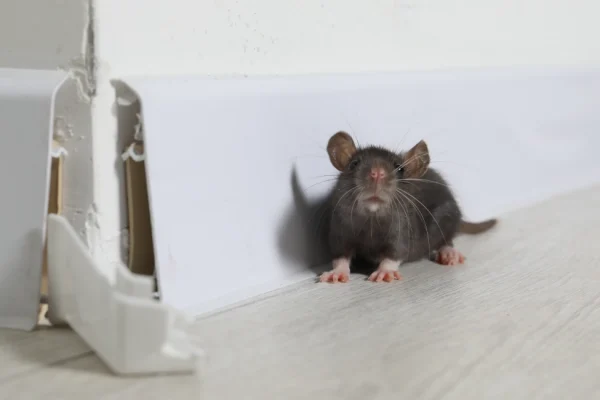
Rats gnaw to grind down their continually growing front teeth, which can lead to structural damage and fire hazards:

Wallboard & insulation
Chewed drywall, shredded fiberglass insulation nests
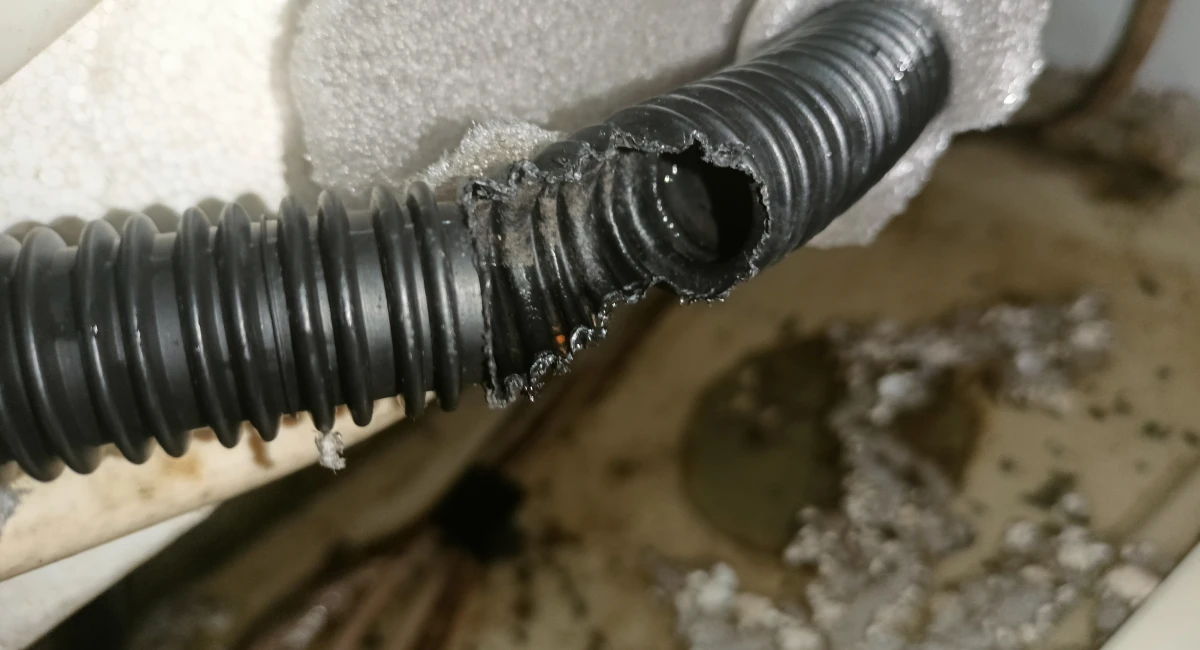
Plumbing & PVC pipes
Gnawed plastic lines causing hidden water leaks
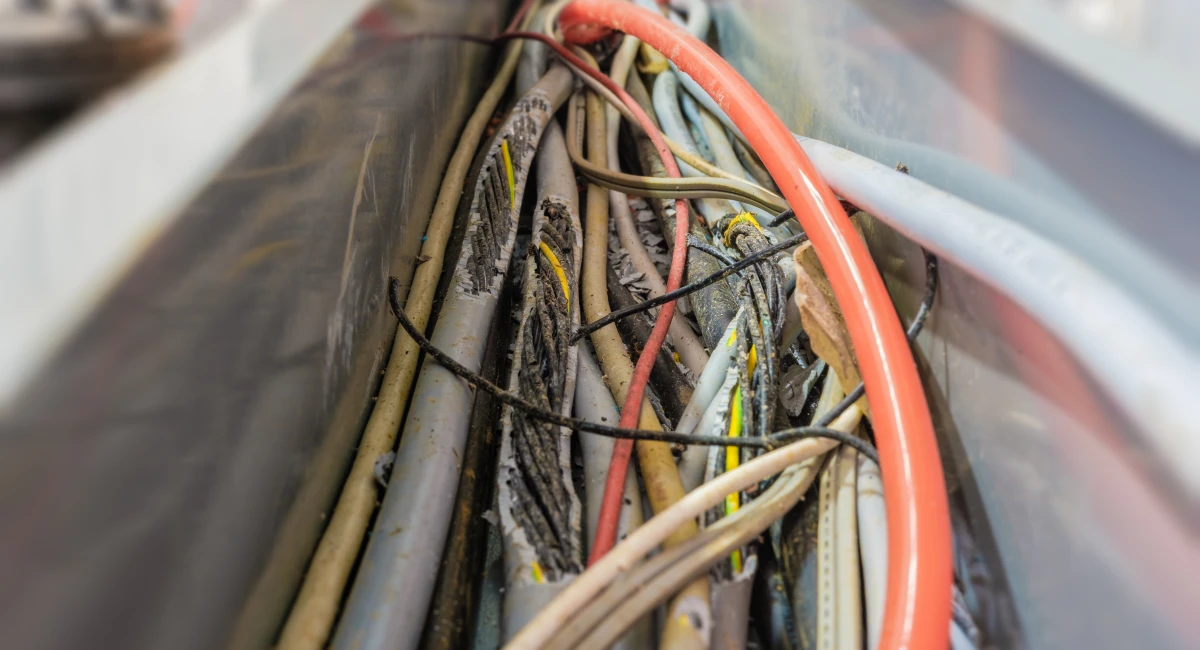
Electrical wiring
Stripped wire insulation posing outages and severe fire hazards
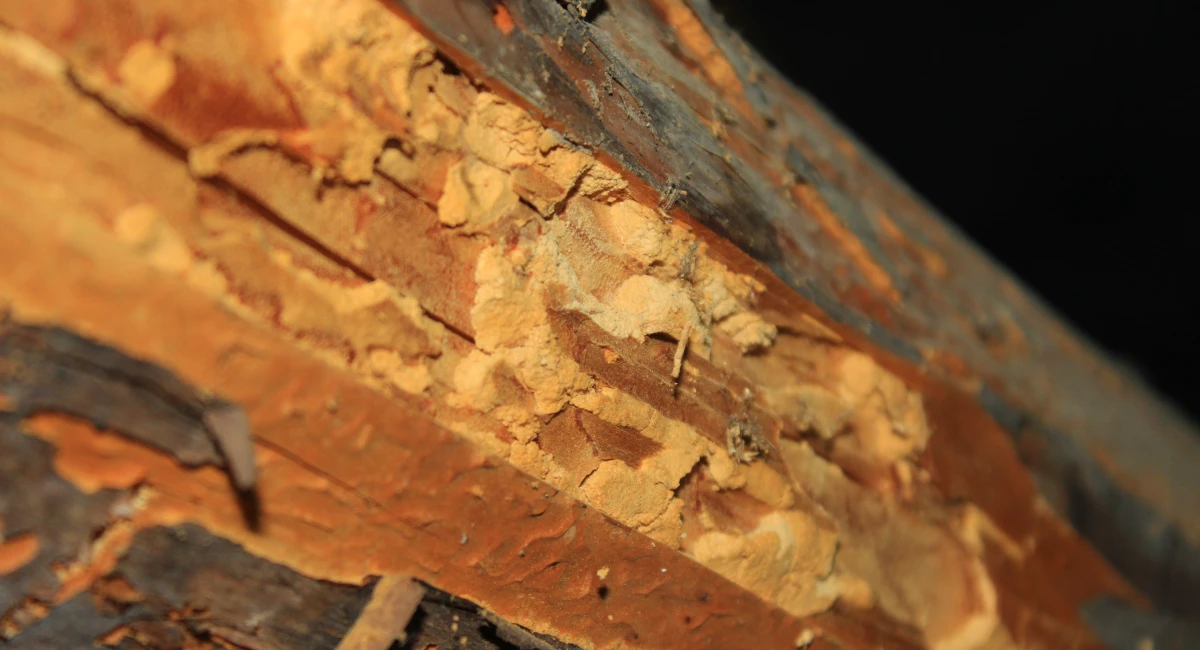
Wood joists & sidings
Gnawed wooden beams compromising structural framing
Rats can strip protective plastic coatings from electrical wires, causing them to overheat, spark, cause power outages of vital equipment, and even severe electrical fires inside house walls.
Common Warning Signs Around the Home
Asking yourself, “are rats dangerous to humans?” becomes especially critical if you spot any of these visible signs inside your living areas:
- Dark, capsule-shaped droppings along baseboards, beneath sinks, or inside kitchen pantries.
- Grease smudge marks on walls, baseboards, or outdoor pipes from rats’ natural body oils.
- Scratching, rustling, or scampering sounds inside ceilings and hollow walls at night.
- Chewed food packaging, damaged cardboard boxes, or frayed fabric materials inside storage spaces.
- Shallow burrows around garden beds, shed foundations, or compost piles.
Why Choose Professional Rat Control
DIY solutions alone rarely solve an infestation because hidden rodents multiply rapidly, and often evade traps and poisons. Equally, cleanups carry real health risks from airborne fecal matter or hair, requiring protective gear.
At Florida Pest Control, we target the source, apply treatments, close structural gaps, and monitor progress. Professional rat exterminators are more reliable because they can eliminate the entire nest for you, providing lasting protection for your family and home.
How Florida Pest Control Protects Your Home
Our family-focused company has protected homes like yours for decades, keeping rats out of your yard and living spaces. With proven, state-of-the-art pest elimination, you can rely on our highly trained local teams and advanced, science-backed IPM methods to tailor an effective plan for your home.
Frequently Asked Questions About Rats
Can Rats Transmit Illnesses Without Biting You?
Yes. Rats transmit dangerous pathogens through droppings, urine, shed dander, and contaminated dust particles without direct contact.
Will Domestic Cats or Dogs Naturally Keep Rats Away?
While some pets may occasionally catch small rodents, they won’t eliminate structural infestations and they risk contracting dangerous bacterial infections or bites during fights.
Why Do DIY Rodent Traps Fail to Solve Infestations Completely?
Basic traps capture individual pests but fail to address hidden nesting sites, rapid breeding cycles, or structural entry points around your exterior walls. Professional rodent control tackles rats from every angle.