
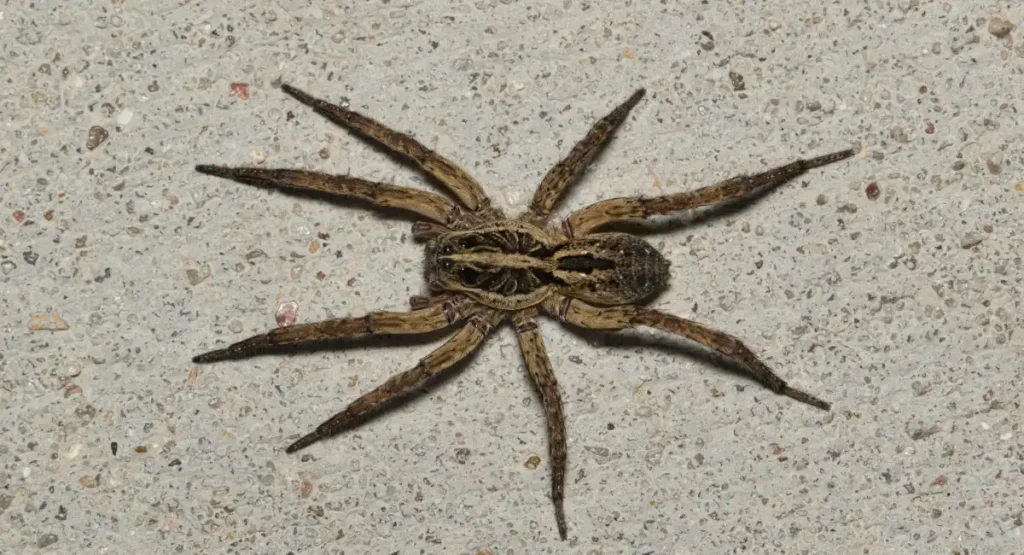
Quick Comparison: Brown Recluse Spiders vs. Wolf Spiders
- Brown recluse spiders have a distinctive violin-shaped marking on their back; wolf spiders don’t.
- Wolf spiders are larger and stockier; brown recluse are smaller and more slender in build.
- Brown recluse prefer dark, undisturbed indoor spaces; wolf spiders are active hunters found indoors and outdoors.
- A brown recluse bite can cause serious tissue damage; wolf spider bites are mild and rarely a medical concern.
- Wolf spiders carry their egg sacs and young on their bodies; brown recluse spin irregular webs in sheltered spots.
- Both species are more common in warmer months, though brown recluse can remain active indoors year-round.
The Difference Between Brown Recluse Spiders and Wolf Spiders
Brown recluse and wolf spiders are often confused, but they’re very different in appearance, behavior, and the risk they pose. Here’s what sets them apart so you can identify what you’re dealing with and take the right steps.
Brown Recluse Spiders
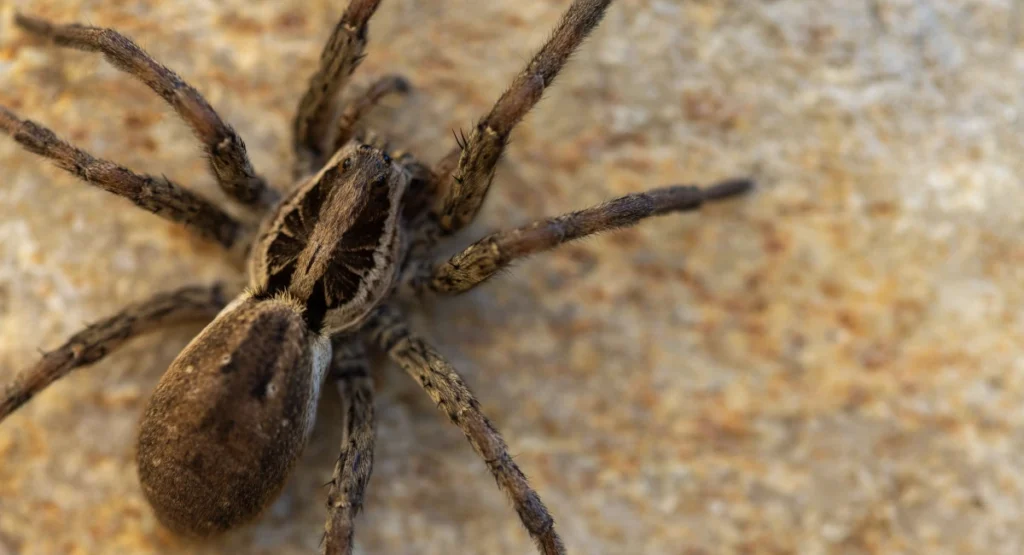
Wolf Spiders

A secretive spider that prefers to stay hidden—and whose bite can have serious consequences if left untreated.
A fast-moving, ground-dwelling hunter that looks intimidating but is far less dangerous than it appears.
Appearance:
Brown Recluse Spider Appearance:
Light to medium brown with a dark violin-shaped marking on the upper body and six eyes arranged in pairs.
Appearance:
Wolf Spider Appearance:
Large, hairy, and dark brown or gray with patterned markings; often mistaken for a tarantula at first glance.
Habitat:
Brown Recluse Spider Habitat:
Undisturbed indoor areas such as closets, attics, basements, cardboard boxes, and inside seldom-moved furniture.
Habitat:
Wolf Spider Habitat:
Gardens, grass, leaf litter, and ground-level entry points; may wander indoors through gaps and door frames.
Behavior:
Brown Recluse Spider Behavior:
Reclusive and non-aggressive; bites typically occur when the spider is accidentally trapped against skin.
Behavior:
Wolf Spider Behavior:
Active hunters that chase down prey rather than spinning webs; fast-moving and easily startled when disturbed.
Risks:
Brown Recluse Spider Risks:
Venom can cause necrotic skin lesions that worsen over time; medical attention is strongly recommended after any bite.
Risks:
Wolf Spider Risks:
Bites are rare and typically cause only minor localized pain or swelling; not considered medically significant.
Worried About Pests? We Are One Call Away.
Book your free inspection to get expert, local advice.Signs of an Infestation
Spotting either spider occasionally doesn’t always mean you have an infestation—but repeated sightings are worth taking seriously.
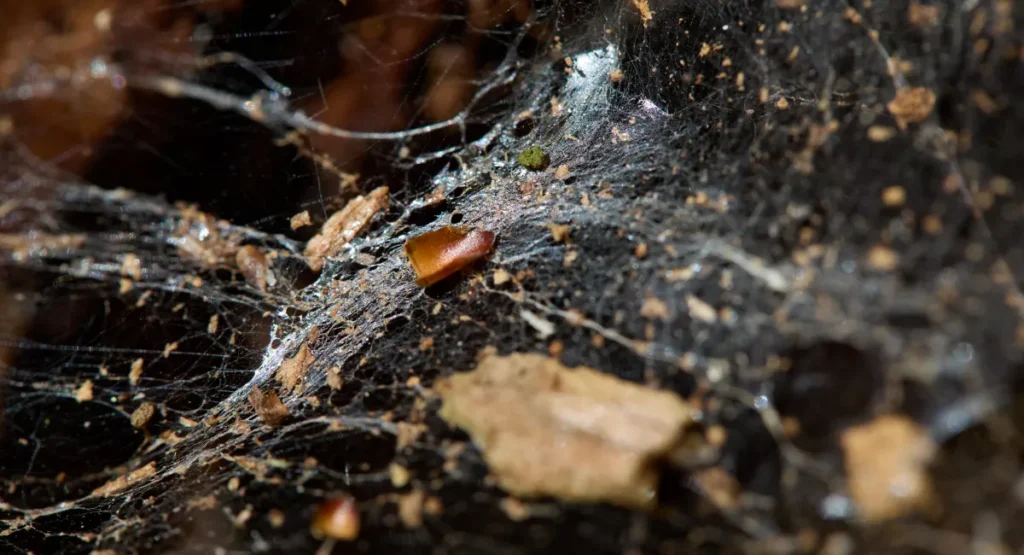
Brown Recluse Signs
Look for irregular, loosely spun webs in dark corners, closets, and storage areas. Finding shed skins or egg sacs in undisturbed spaces (behind boxes, inside shoes, or along baseboards) can also indicate an established population.
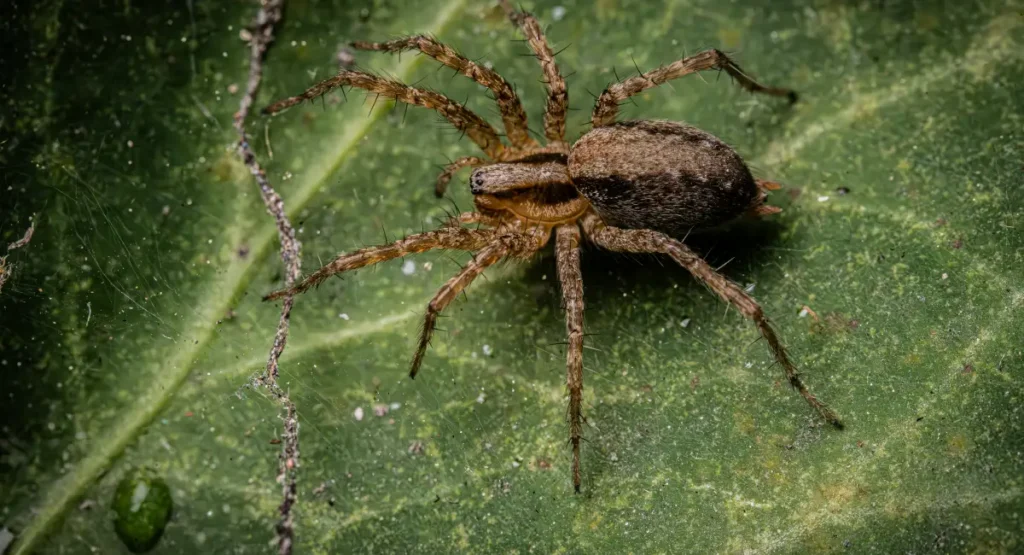
Wolf Spider Signs
Regular sightings near floor level, around door frames, or in garages and basements suggest they're finding their way in. They don't build webs, so visible spiders themselves are usually the clearest sign of activity.
Prevention Tips
Most spider problems come down to access and shelter. Take away both and you make your home a lot less inviting.
- Seal gaps around doors, windows, utility pipes, and foundation cracks to reduce entry points.
- Declutter storage areas. Cardboard boxes, piles of clothing, and rarely moved items are prime hiding spots for brown recluse.
- Keep outdoor lighting away from entry points, as it attracts the insects that spiders feed on.
- Trim vegetation, clear leaf litter, and move wood piles away from the exterior walls of your home.
- Shake out shoes, gloves, and clothing that have been stored for a while before putting them on.
- Schedule a professional inspection if you’re seeing spiders regularly. Early treatment is easier and more effective than waiting.
Frequently Asked Questions
Is a Brown Recluse Bite Dangerous?
It can be. Brown recluse venom causes a localized reaction that may develop into a necrotic wound, which can lead to tissue damage. Not every bite leads to serious symptoms, but you shouldn’t wait to find out. If you think you’ve been bitten, seek medical advice promptly and try to capture or photograph the spider for identification.
Are Wolf Spiders Harmful to People?
Generally, no. Wolf spiders look far more threatening than they are. Bites are uncommon and usually only happen if the spider is handled or cornered. Symptoms are typically mild, and resolve themselves without treatment. If you’re seeing wolf spiders regularly indoors, the bigger concern is what’s attracting them and how they’re getting in.
What's the Best Way to Keep Both Spiders Out of Your Home?
Focus on sealing entry points and removing the conditions that shelter them. Caulk gaps around doors, windows, and pipes; declutter storage areas; and keep vegetation trimmed back from exterior walls. Reducing indoor insects also helps, since both species follow their food source. Consistent housekeeping and periodic inspections go a long way toward keeping populations down.
Can Homeowners Deal With a Spider Problem Themselves?
For occasional wolf spider sightings, DIY measures such as sealing gaps, reducing clutter, clearing outdoor harborage, are often enough. Brown recluse infestations are a different matter. They hide well, reproduce quickly, and are difficult to treat without professional products and knowledge. If you suspect brown recluse in your home, it’s worth calling in a professional rather than trying to manage it alone.
How Do You Know When It's Time to Call a Pest Professional?
If you’re finding brown recluse regularly, or you’ve spotted egg sacs in multiple areas of your home, professional treatment is the right call. For wolf spiders, persistent indoor sightings after you’ve taken basic exclusion steps suggest a larger population nearby. Either way, a professional inspection will give you a clearer picture and a more targeted solution.