
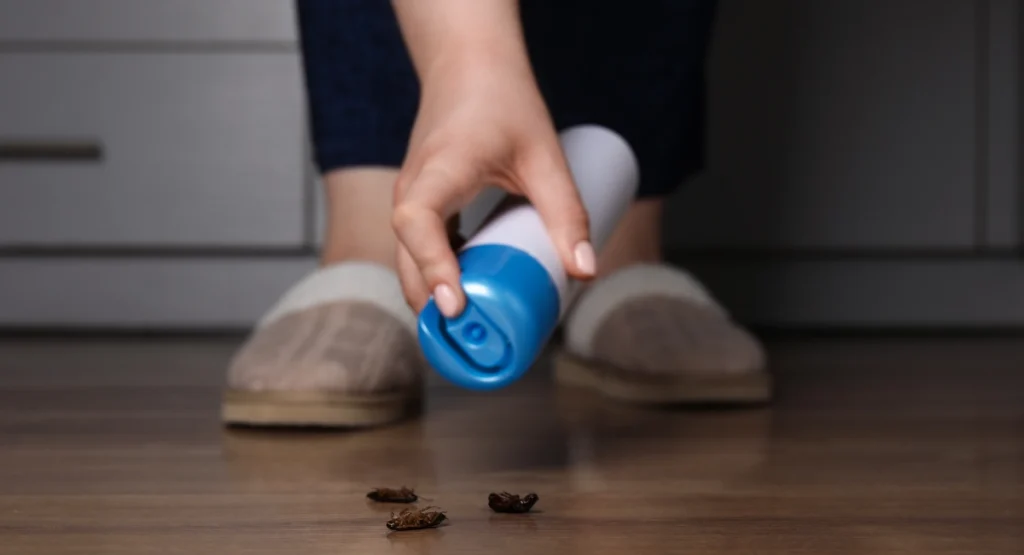
Not sure if you’re dealing with a water bug or a cockroach? You’re not alone. A number of cockroaches are mistakenly called “Waterbugs”. But they are very different.
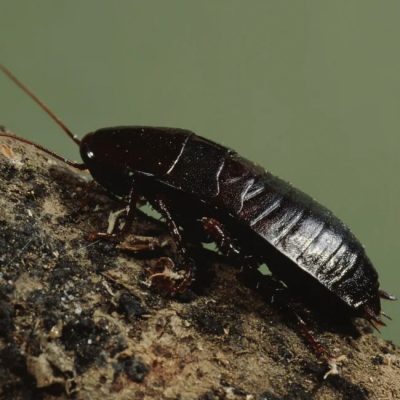
The oriental cockroach, scientifically called Blatta orientalis, is often incorrectly called a “waterbug”.
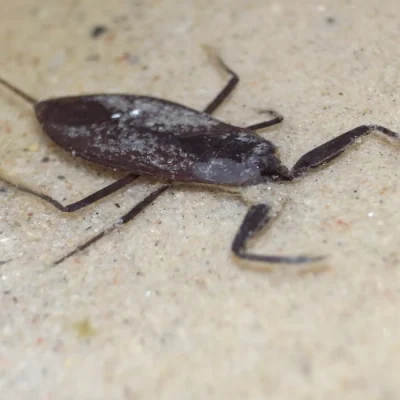
True water bugs are aquatic insects, belonging to the Hemiptera family. These true water bugs include water boatmen and water scorpions, which swim by using their legs as oars. While water striders and pond skaters, part of the Gerridae family, don’t swim, they stay afloat using surface tension.
The sections below help you tell the difference between oriental cockroaches and true water bugs. We’ve helpful details about what makes each pest unique, plus effective ways to keep them out of your home or business, and eliminate them if they’ve already moved in.
Water Bug vs Roach Quick ID Comparison
Water bugs
Oriental Cockroaches
Origin:
Native aquatic insects found naturally in freshwater habitats around the world.
Origin:
Believed to have originated in Africa or southern Russia and now found worldwide.
Appearance:
Flattened brown bodies with short antennae and large front legs adapted for grabbing prey.
Appearance:
Shiny dark brown to black bodies with a broad, oval shape and long antennae.
Size:
Typically 1.5 to 4 inches long, depending on the species.
Size:
Typically 1 to 1.25 inches long.
Habitat:
Live mainly in ponds, lakes, streams, and other freshwater environments.
Habitat:
Prefer damp spaces such as basements, crawl spaces, drains, and sewers.
Diet:
Predatory feeders of aquatic insects, fish, tadpoles, and other small animals.
Diet:
Scavenge on decaying organic matter, garbage, and food scraps.
Behavior:
Active aquatic hunters that ambush and capture live prey.
Behavior:
Nocturnal scavengers that hide by day and come out at night to eat.
Movement:
Swim through water using oar-like hind legs and can fly between bodies of water.
Movement:
Run quickly across surfaces and squeeze through cracks, drains, and plumbing.
Threats:
They don’t spread household bacteria but can bite painfully if handled.
Threats:
Can spread bacteria and contaminate food and surfaces.
Infestations:
Rarely invade buildings and usually enter accidentally when seeking water or are attracted to lights.
Infestations:
Frequently invades buildings in search of moisture and shelter.
Reproduction:
Lay eggs on aquatic plants or carry them on their backs, depending on the species.
Reproduction:
Produces ‘oothecae’ egg capsules containing multiple eggs: hides them in sheltered areas.
Water Bugs’ vs Cockroaches’ Appearance: Color, Size, and Wings
Water bugs are impressive aquatic insects, often from 2 to 4 inches long. These predators have flattened, oval-shaped bodies in shades of dark brown or gray. They are expert hunters, and their specialized front legs act like pincers for grabbing prey, while their long, oar-like hind legs mean they can swim quickly.
When resting, their overlapping wings create a unique “X” pattern on their backs. Unlike cockroaches, they have very short antennae and are naturally suited to freshwater habitats like ponds and streams.
Oriental cockroaches are easy to recognize by their glossy dark brown to black bodies, broad oval shape, and long antennae. Native to Africa, these insects are often mistaken for true water bugs, despite not being aquatic.
Adult oriental cockroaches typically measure from 1 to 1.25 inches long, with females generally larger than males. Males have short wings that cover most of the abdomen, while females have only small wing pads.
Unlike true water bugs, they lack swimming legs and can’t fly. Oriental cockroaches are usually found in damp basements, crawl spaces, drains, and sewers, where they have easy access to moisture.
Water bugs vs Cockroaches: Behavior and Flight
Water bugs are active aquatic predators that can both swim and fly. They are often attracted to bright lights at night, which is why they are sometimes found near porch lights or parking lots.
Oriental cockroaches are land-dwelling scavengers that crawl and can’t fly as they have underdeveloped wings. They are mainly nocturnal and stay close to plumbing or damp crevices to get at moisture.
Water bugs vs Cockroaches: Habitat
Water Bugs
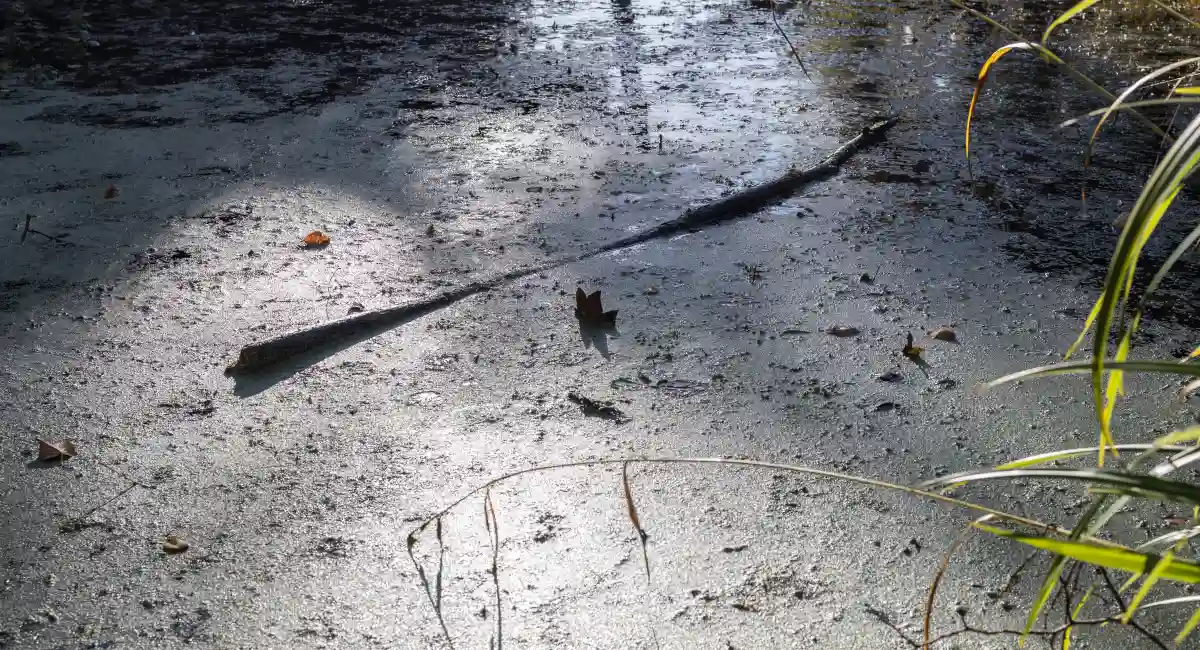
Water bugs mainly live in freshwater ponds, lakes, marshes, and slow-moving streams. They are especially fond of still or sluggish waters, where thick aquatic vegetation provides ideal cover for hunting. These natural habitats are essential for their survival, offering plenty of food, safe breeding spots, plus protection from larger predators.
As they are strong flyers, they’re often attracted to bright artificial lights at night, which can lead them into residential areas or swimming pools.
Cockroaches
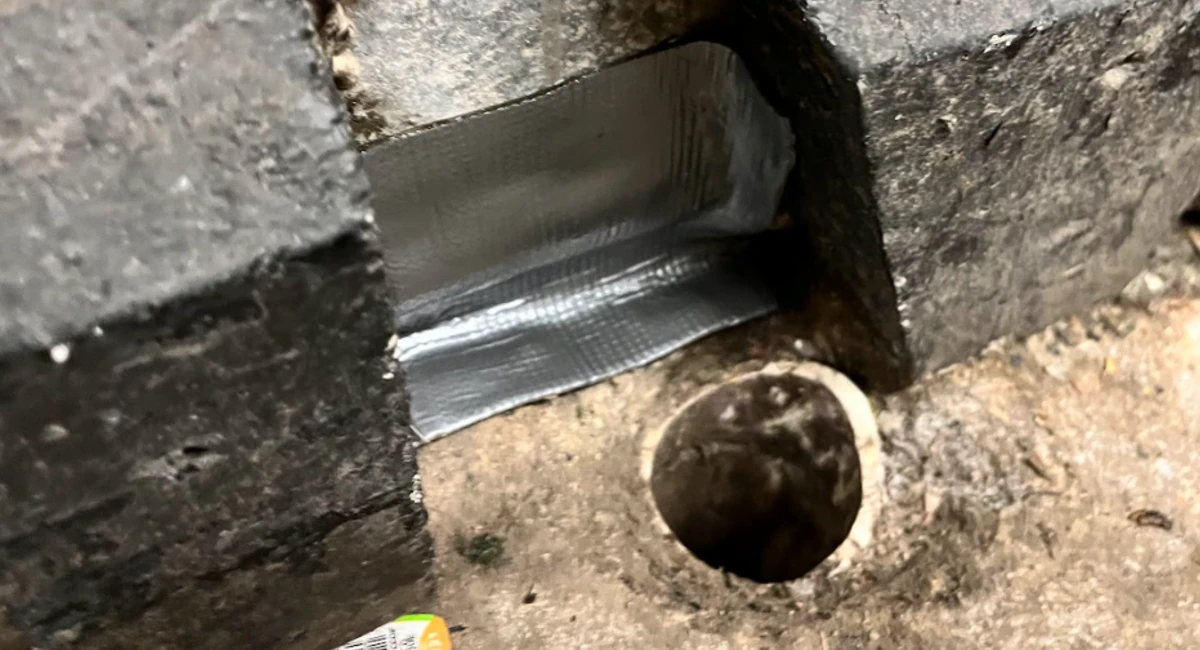
Oriental cockroaches prefer dark, sheltered locations close to the ground, often hiding beneath leaves, mulch, debris, or around garbage bins. While mainly living outdoors, they can come inside through gaps and cracks around doors, windows, pipes and vents looking for food, water, and warmth.
Once indoors, they’re usually on lower levels and can thrive in damp, moisture-rich sewers, cellars, crawl-spaces, plus in kitchens, bathrooms, basements and other moist areas.
Water bugs vs Cockroaches: Diet
Water Bugs
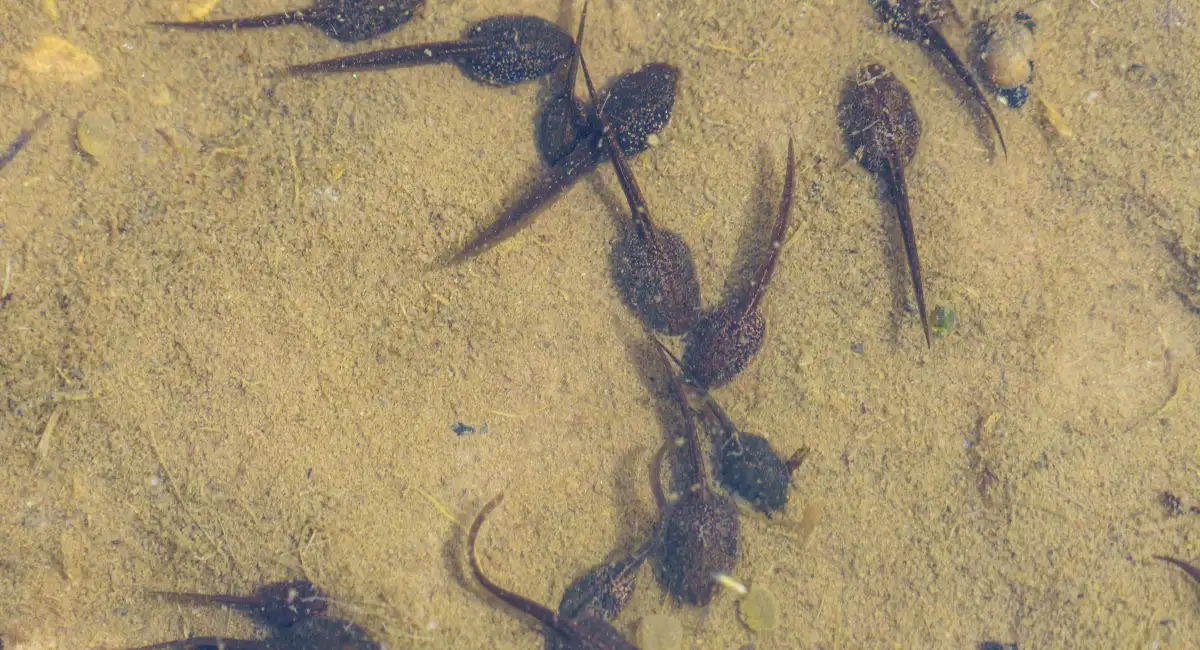
Giant water bugs are skilled aquatic predators that feed on small animals, including fish, tadpoles, frogs, and insects. They often hide among aquatic vegetation and ambush unsuspecting prey with their powerful front legs. They then use their piercing mouthparts to inject digestive enzymes and consume the liquefied tissue. So, they are highly effective predators in freshwater habitats.
Cockroaches
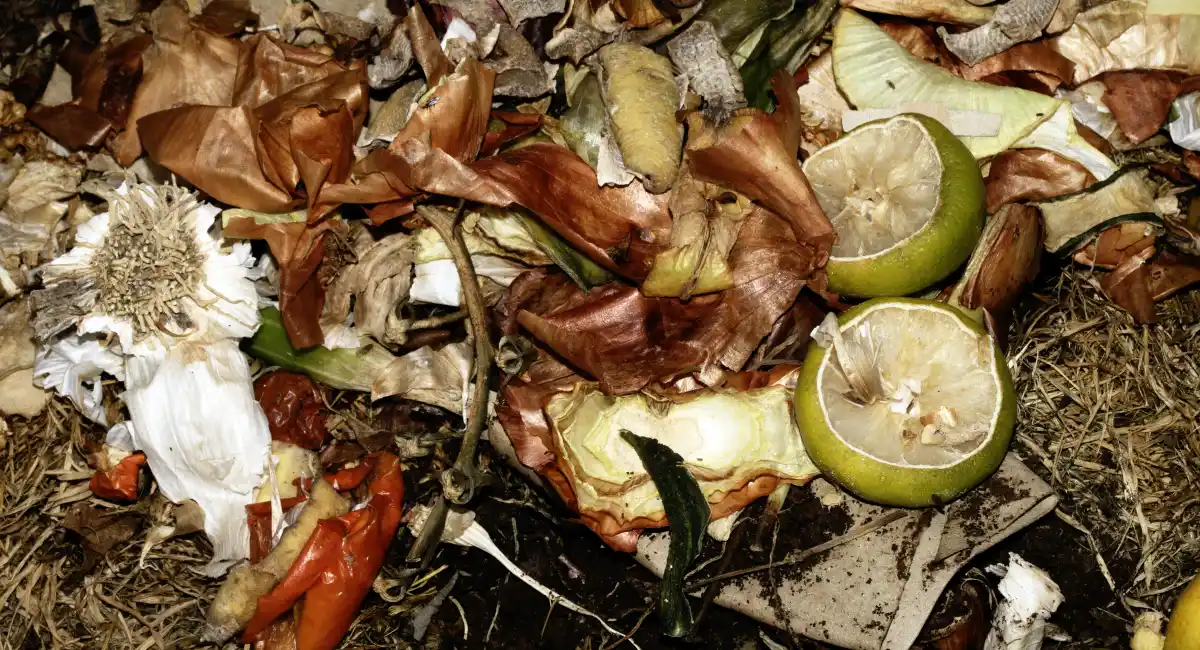
Oriental cockroaches scavenge mainly on decaying organic matter, such as rotting food, plant debris, and garbage. They’re often found in damp sewers, crawl spaces, and basements, where food and moisture are readily available. Plus, they’ll also eat meat, bread, vegetables, and grains. They may even eat paper, cardboard, and leather. With a highly adaptable diet, they usually can’t live longer than 2 weeks without water.
Water bugs vs Cockroaches: Dangers and Threats
Water bugs aren’t usually aggressive toward humans. But giant water bugs, often called “toe-biters”, can bite painfully if threatened or handled. Their sharp, piercing mouths can cause immediate pain, swelling, and irritation. Not medically serious for most people, it can cause stronger reactions, such as localized swelling or allergic symptoms.
If you are bitten, wash the area thoroughly, apply ice to reduce pain, and consider over-the-counter pain relief. Seek medical attention if the symptoms are severe or if you develop an allergic reaction.
Oriental cockroaches can bite humans, but it happens very rarely and usually only when there’s little food and severe infestations. Their bites can be mildly irritating or cause a small red welt, but they are generally not considered dangerous.
They can spread harmful bacteria and pathogens onto food and counters after they’ve crawled through unsanitary spaces. So they increase the risk of foodborne illnesses and can trigger allergies or asthma symptoms.
Water bugs vs Cockroaches: Breeding and Infestation Risk
Water bugs breed in freshwater. Females lay their eggs on surfaces, including aquatic vegetation. As they depend on water to survive and reproduce, they don’t establish infestations inside homes like cockroaches do.
While individual water bugs may occasionally enter buildings for a short while after being attracted to outdoor lighting, they’re just a nuisance, not an infestation risk.
Oriental cockroaches reproduce steadily in damp, sheltered environments, where food is readily available. During their lifetime, females produce multiple egg capsules, each containing 16 eggs. So populations grow quickly, especially as they hide in secluded areas, going unnoticed until they’re well established.
Once indoors, oriental cockroaches are hard to get rid of as they hide in hard-to-reach places and survive on a wide range of food.
Prevention

Water Bugs
To keep away water bugs, focus just on the exterior:
- Reduce standing water around the property whenever possible
- Maintain ponds, fountains, and water features
- Trim overgrown vegetation around ponds, streams, and drainage areas
- Remove debris and dense plant growth where water bugs may shelter
- Seal gaps around doors, windows, vents, and utility openings
- Install or repair window and door screens to prevent entry
- Use weatherstripping around exterior doors
- Replace bright white outdoor lights with warm-colored or yellow “bug” bulbs
- Keep swimming pools covered or properly maintained when not in use
Cockroaches
To keep out oriental cockroaches, focus on sealing and sanitation:
- Repair leaking pipes, faucets, and drains
- Stop condensation pooling under sinks
- Use dehumidifiers or improve ventilation in damp areas
- Seal cracks and gaps around doors, windows, foundations, and utility lines
- Keep kitchens and food preparation areas clean and free of crumbs
- Store food in sealed containers and avoid leaving pet food out overnight
- Empty trash bins regularly and use tightly fitting lids
- Clean floor drains and remove organic buildup
- Remove piles of leaves, mulch, wood, and other debris near foundations
- Keep gutters and downspouts clear to prevent water accumulation
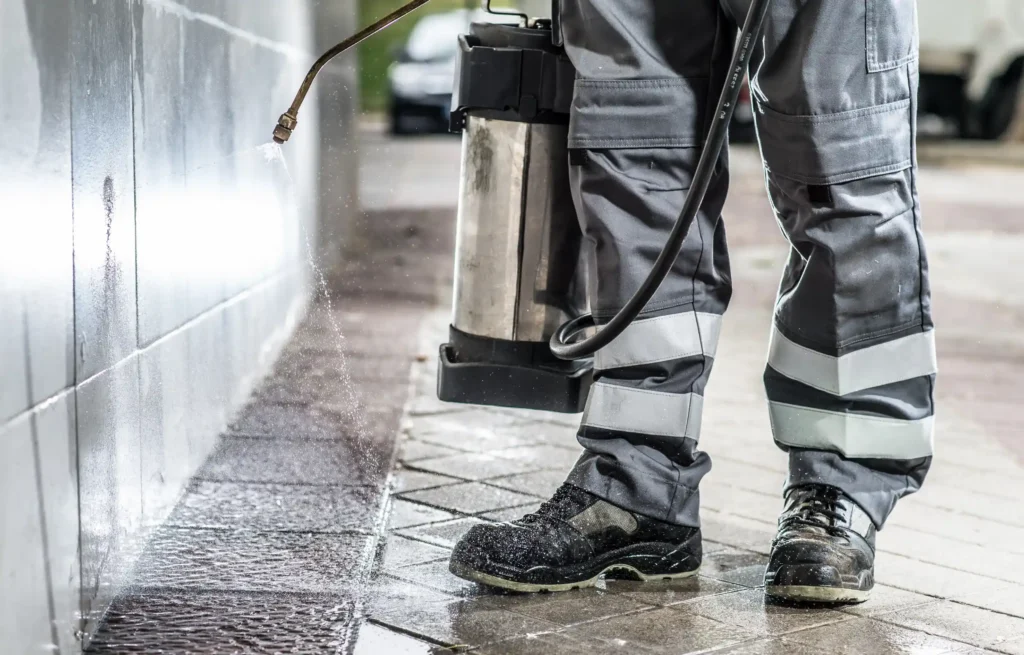
Targeted Treatments: Occasional Intruders vs. Severe Infestations
You can prevent, control and eliminate oriental cockroaches and water bugs, by using targeted treatments. When you’ve identified the species, here’s what you do:
For Water Bugs (Occasional Intruders)
Water bugs live almost exclusively outside, so you should focus any treatment on yard management and exterior barriers, to reduce the conditions that attract them.
- Yard Management: Remove standing water where possible, plus maintain ponds and water features. Clear excess vegetation, leaf litter, decaying wood and stacked firewood away from and the perimeter of your house.
- Lighting: As water bugs are often attracted to bright lights, switch to yellow or warm-colored outdoor bulbs to reduce their presence.
- Intruders: Seal gaps around doors, windows, and utility openings to prevent accidental entry. If water bugs get indoors, you can remove them with a vacuum, trap, or container and release them outside. As they don’t establish indoor infestations, extensive treatments are rarely necessary, and prevention is typically the most effective approach.
For Oriental Cockroaches (Indoor Infestations)
Oriental cockroaches breed steadily and can move rapidly, so controlling them requires a multi-tiered strategy of baits, dusts and Insect Growth Regulators (IGRs). Simple perimeter sprays are not effective against indoor infestations.
- Sticky Traps: Place in damp, dark basements, bathrooms and under sinks. The trap catches and immobilizes oriental cockroaches as they forage at night. They won’t eliminate an entire colony, but help you monitor activity and spot where pests hide.
- Professional Gel Baits: Use highly effective, slow-acting roach gels. Cockroaches consume the bait, go back to their hidden nests, and die, poisoning surrounding roaches in a powerful domino effect.
- Insecticide Dusts: In cracks, gaps and under heavy appliances, put moisture-resistant desiccant powders, such as diatomaceous earth (DE) or boric acid. These specialized dusts strip the roach’s waxy outer layer, causing fatal dehydration.
- Growth Regulators (IGRs): These are used by professional exterminators to aggressively disrupt the roach life cycle. They collapse the entire population by preventing surviving nymphs from reproducing.

Professional Cockroach Treatment
While exterior maintenance can help reduce intrusions from water bugs, and possibly from oriental cockroaches, they won’t sort out active infestations in your home. An oriental cockroach infestation requires professional Integrated Pest Management (IPM), including targeted baiting, advanced insect growth regulators, and expert exclusion work that store-bought products simply can’t match.
For over 75 years, Florida Pest Control has protected local homes with customized, effective treatments delivered by trained specialists who eliminate roaches and other pests at the source. If you spot a water bug or an oriental roach, then skip the DIY powder and schedule your FREE home inspection today.