

Rodents are a health risk and therefore a threat to commercial businesses. Rats and mice can carry pathogens that cause salmonellosis, leptospirosis, hantavirus pulmonary syndrome, and rat-bite fever and transport fleas, ticks, and other pests.
Sightings can alarm customers and trigger an emergency audit, which can impact footfall and your reputation.
Follow our expert’s six rodent control tips to help your team recognize the early signs of infestation, allowing you to prevent escalation and protect your commercial property.
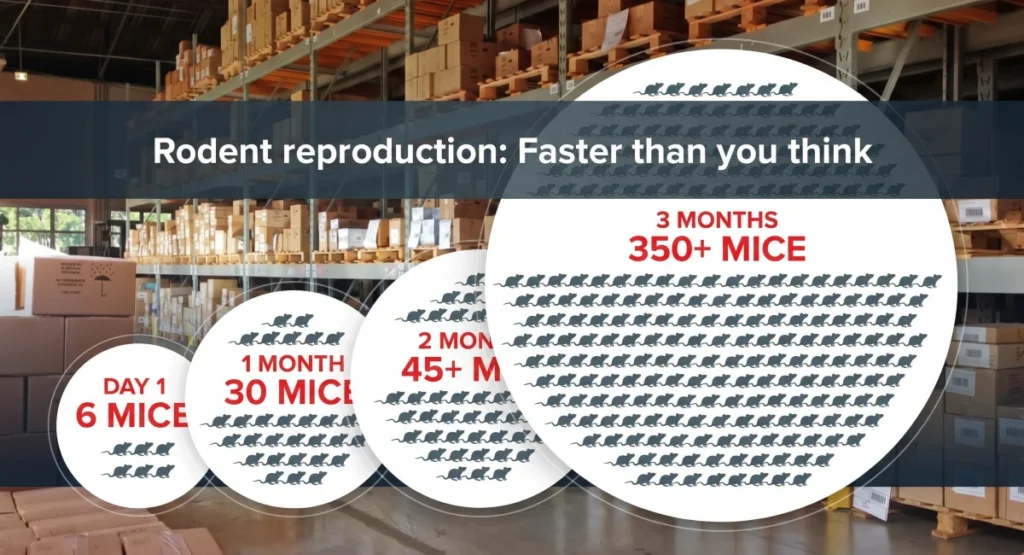
1: Recognize the Early Signs
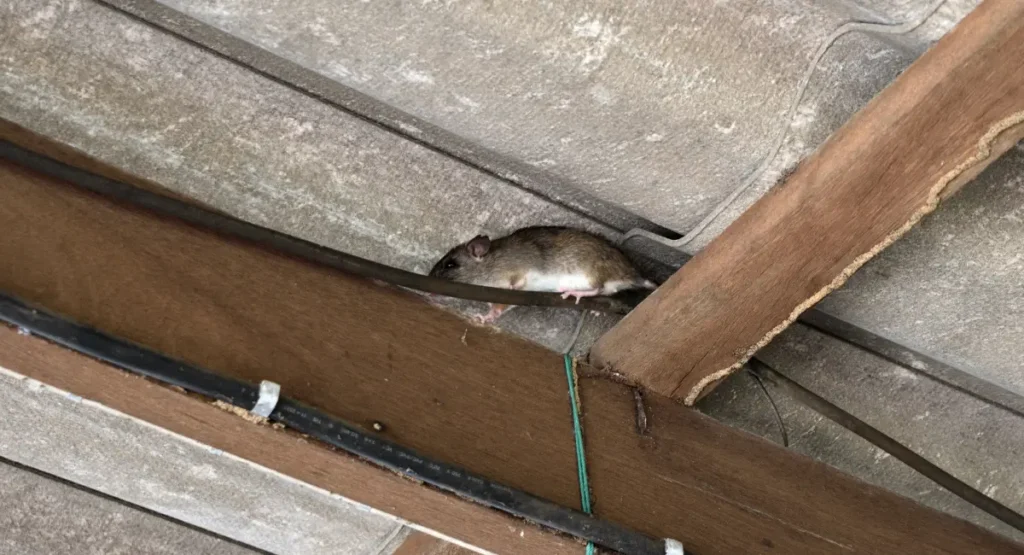
Rodents are usually most active when a facility is quiet, such as at night or at weekends. That makes regular monitoring more valuable than waiting for daytime sightings. Common activity signs include:
- Small droppings
- Fresh gnaw marks
- Shredded nesting material
- Burrows
- Tracks in dusty areas
- Greasy rub marks on walls and pipes
- Stale/ musky odor
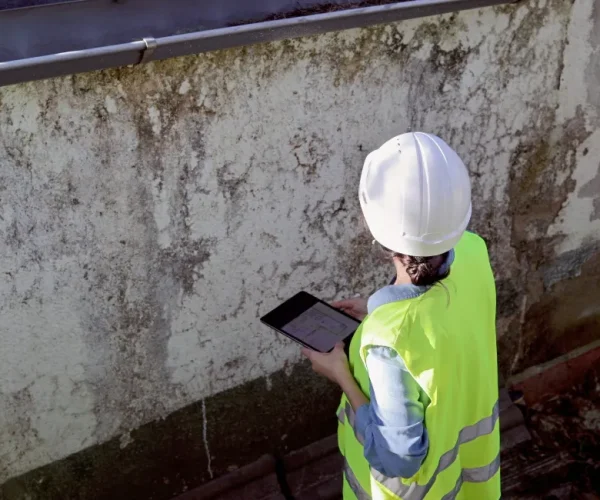
2. Train Staff to Report Evidence
A single rat or mouse may not mean you have a full infestation, but it serves as an important early warning. It often reveals an active travel path, a food source, or a nearby nesting site.
To stay ahead of the risk, have your team record the exact time, location, and evidence observed, along with details like wall gaps, water leaks, or recent deliveries. Turning these separate sightings into a clear pest map allows your facility to catch and fix problems before they escalate.
Staff training should explain what to report, why speed matters, as well as the importance of workplace hygiene, such as:
- Keeping food and employee break areas clean.
- Closing doors and reporting damaged sweeps or seals.
- Removing trash and securing container lids.
- Reporting droppings, gnawing, leaks, burrows, or unusual odors immediately.
- Avoiding personal treatment products and unauthorized device changes.
3: Remove Food, Water, and Shelter
Even a clean-looking site can offer enough crumbs, moisture, and hiding places to sustain pests; nevertheless, maintaining basic hygiene makes rodent activity less likely:
- Store ingredients, food, animal feed, and vulnerable supplies in rodent-resistant containers.
- Keep products elevated and away from walls, so teams can inspect behind and beneath.
- Rotate stock and remove damaged cartons quickly.
- Clean spills as they occur, especially under equipment and in employee areas.
- Empty interior waste on a reliable schedule.
- Keep exterior dumpsters closed, cleaned, and away from building openings.
- Repair dripping faucets, leaking pipes, damaged irrigation, and condensation problems.
- Maintain drains and gutters so water moves away from the building.
- Trim exterior vegetation away from walls and rooflines.
4: Close the Routes Rodents Use
Rodent control, including exclusion methods such as stainless steel Flexi Armour, is highly effective. It physically reduces access points and helps secure weak seams in a building’s protective envelope, such as exterior walls, foundations, rooflines, dock doors, vents, utility penetrations, and conduit entries.
Also, pay close attention to areas affected by repairs, new equipment, weather damage, or contractor work, and ensure that door sweeps and dock leveler seals contact the threshold evenly and remain in good repair.
5: Build Inspections, Documentation, and Compliance into Operations
Effective control depends on accountability. Assign clear responsibilities for daily checks, housekeeping, maintenance work orders, and escalation. Review rodent activity during safety, sanitation, or facilities meetings, rather than treating it as a separate issue.
Food businesses should align their programs with applicable food safety plans and customer requirements. Inspections may involve the FDA, USDA, state or local health departments, or third-party audit schemes.
At Florida Pest Control, we ensure you have 24/7 access to audit-ready documentation, including service reports, device maps, corrective-action records, sighting logs, sanitation findings, and proof of repairs. During an audit, organized records demonstrate control, follow-through, and continuous improvement.
6: Know When Professional Rodent Control Is Necessary
Professional pest control is appropriate when you still see rodent evidence and activity near food or sensitive areas, when you have hard-to-locate entry points, or when you need documented monitoring.
At Florida Pest Control, we bring you more than 75 years of Florida experience in customized pest management programs. Our professional pest control technicians can inspect hidden pathways, identify likely species, assess conditions, recommend exclusions, and establish a monitoring plan. This is important where contamination, family or employee exposure, and downtime are possible.
If you have a persistent concern, choose Florida Pest Control as your rodent exterminator partner.
Frequently Asked Questions About Rodent Control
What’s the Fastest Way to Reduce Rodent Activity?
Combine sanitation, access control, monitoring, and professional assessment. Remove exposed food and water, secure waste, close obvious gaps, and document evidence. Traps alone rarely solve the conditions that attract rodents.
Are Rodent Droppings Safe to Sweep Up?
Dry sweeping or vacuuming up droppings can disturb contaminated particles, making them airborne. Wear gloves and a facemask, and follow appropriate workplace safety and cleanup procedures.
How Often Should a Commercial Property Be Inspected?
Frequency depends on risk, operations, season, building condition, and past activity. Regular internal checks should complement professional inspections.
Can a Clean Facility Still Have Rodents?
Yes. Cleanliness reduces attraction, but rodents may enter through structural gaps, loading areas, drains, or adjoining spaces. That is why the best tips for controlling rodents combine sanitation with exclusion, monitoring, and maintenance.