

House mice and field mice may look similar at first glance, but they differ in where they live, how they behave, and the problems they can cause around a property. Knowing the behaviors and signs of each species can help you identify issues before they require professional rodent intervention.
The term “field mouse” is actually more of a common, informal term to describe deer mice, and sometimes other similarly-sized mouse species. So, for the purpose of this explainer, when we refer to field mice, we are talking about deer mice.
Let’s break down the differences between the species by appearance, habitat, behavior, and diet.
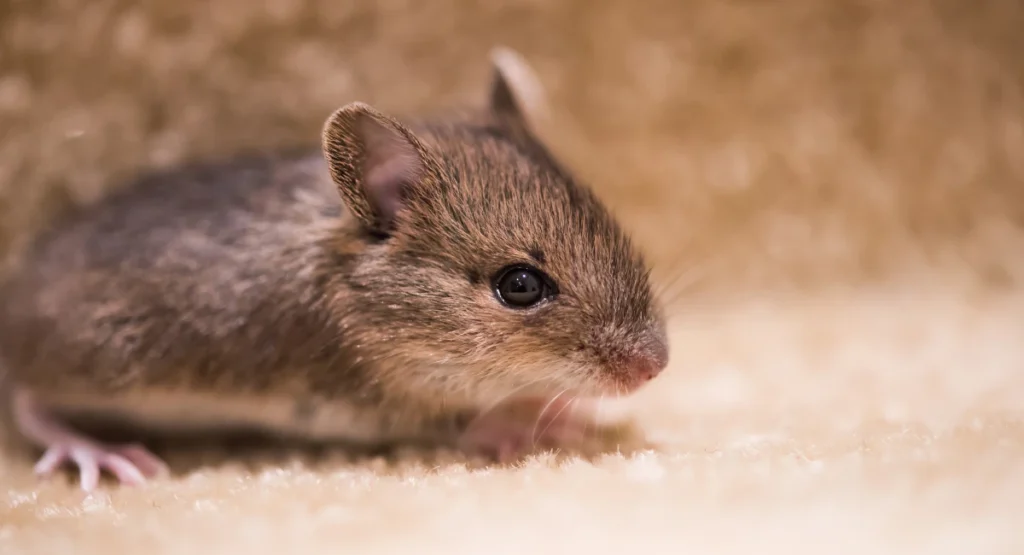
House Mice (Mus musculus)
The house mouse is a common mouse species in homes in the U.S., although it is also comfortable in outdoor environments. They source and shred soft materials, such as paper, leaves, and fibers, to build nests in quiet locations close to food. This could be in an unused cupboard, behind a kitchen appliance, or in a wall cavity.
Despite their tiny size and nocturnal habits, house mice can be bold and inquisitive, which is why you may spot them in your building. They also have very small stomachs, which means they graze frequently, making many return visits to a food source throughout the night.
These constant trails throughout properties can cause heavy contamination via mouse droppings, urine, and the grease from their fur.
Appearance and Size
- Body length of 3 to 4 inches
- Tail length of 3 to 4 inches
- Grayish-brown colored fur
Habitat and Behavior
- Prefer to nest in buildings like homes, attics, garages, and sheds
- Build nests in quiet areas but remain close to food sources
- Mostly nocturnal activity
Diet
- Will readily eat almost anything available
- Naturally prefer grains, fruits, and seeds
Risk Level
- House mice can spread illness and disease, including Salmonella, Hantavirus, and lymphocytic choriomeningitis (LCMV), among other illnesses
- Food contamination and spread of food-borne illnesses
- Damage to walls, insulation, furniture, and wiring
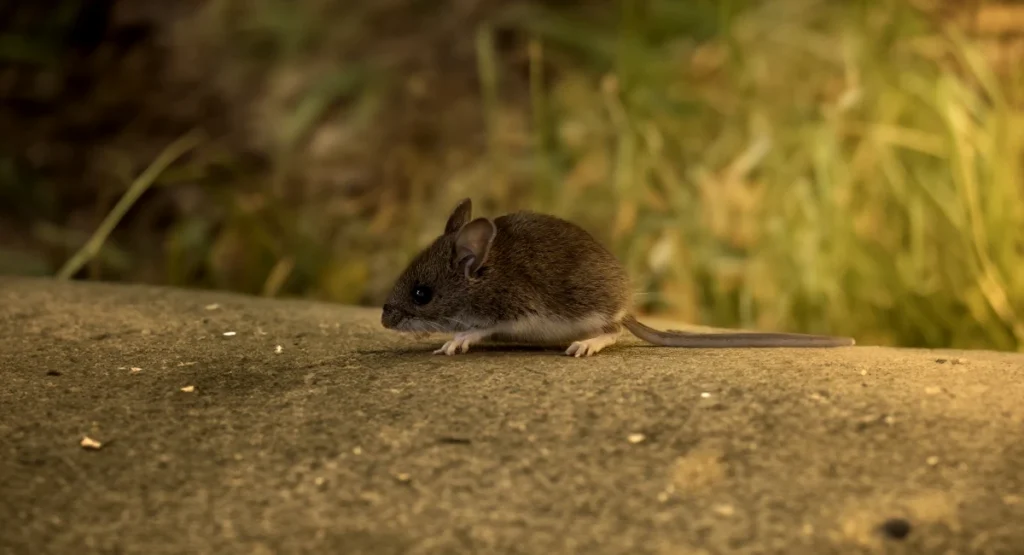
Field Mice (Eromyscus maniculatus)
Field mice (deer mice), while similar in size to house mice, are easily distinguishable by their red-brown coloring, white underbellies, and large, rounded ears. Typically found outdoors in grassland and rural environments, deer mice can still occasionally wander indoors—particularly during cooler months or periods of heavy rainfall.
Field mice make nests out of leaves, grass, stems, and other fibrous materials outdoors, and are known to hoard food sources. They generally feed on seeds, fruit, nuts, and small insects.
Despite their innocent appearance, deer mice are the main carriers of Hantavirus, a potentially fatal transmitted disease.
Appearance and Size
- Body length of 3 to 4 inches
- Tail length of 3 to 4 inches
- Reddish-brown colored fur with white feet and underbelly
- Large, round ears that are disproportionate to the head size
Habitat and Behavior
- Outdoor nests often found in hollow trees or logs, fence posts, and beneath decking
- Indoor nests may be found in basements, attics, and crawl spaces
- Gather food sources (caching) to store in multiple areas
Diet
- Diets shift in response to food availability
- Naturally prefer insects, fruit, nuts, and seeds
- May target indoor sources like pet food and pantry items
Risk Level
- Hantavirus is most commonly carried and spread by field (deer) mice
- May carry ticks and bacteria responsible for Lyme disease
- Food contamination and spread of food-borne illnesses
- Damage insulation, wires, and storage materials
Signs of Mice On Your Property
Whether you have deer mice or house mice nesting on your property, you’ll find that the main signs tend to be similar.
Look out for the following:
- Small, dark droppings left along baseboards and potential trails
- Shredded or torn materials
- Small, jagged gnaw marks on wood, storage items, and containers
- Scratching sounds during the night
- Musky, unpleasant odors (more common for house mice)
- Trails of grease along walls, surfaces, and cupboards
Prevention Tips
What may seem like a harmless, single mouse sighting can quickly escalate into a mouse infestation. Rodents remain active year-round, and Florida’s warm climate can speed up breeding cycles, as young mice reach maturity faster.
Exclusion methods and proactive tactics are key for ongoing mouse prevention. Ideally, you want to be in the habit of maintaining pest prevention before issues turn into infestations.
- Regularly inspect your home for gaps, cracks, and holes
- Seal gaps and holes with caulk or steel wool
- Store food in airtight containers
- Dispose of trash regularly and clean up spills or crumbs swiftly
- Eliminate sources of standing water
- Keep your interiors and exteriors clear of clutter
For areas of your property where mouse activity has been identified, you might choose to use live-catch traps. However, it’s important to remember the health and contamination risks associated with mice, and therefore reach out to professionals for help with larger signs of activity or active infestations.