
Quick Comparison: Flea vs. Tick
- Body/ legs: Fleas are narrow-bodied, six-legged insects with powerful rear legs. Ticks are eight-legged arachnids with flatter, oval bodies.
- Movement: Fleas jump quickly from hosts and surfaces. Ticks can’t jump or fly: they crawl and wait on leaf tips to latch onto a passing new host.
- Habitat: Fleas build up in pet bedding, carpets, upholstery, and shaded outdoor areas. Ticks prefer tall grass, leaf litter, brush, and wooded edges.
- Bites: Flea bites are itchy, small, and clustered around ankles/lower legs. Tick bites may be painless at first as ticks stay attached as they feed.
- Risk: Fleas spread rapidly indoors, causing intense itching for people/pets. Some ticks can spread serious diseases.
The Difference Between Fleas and Ticks
At a glance, fleas and ticks are both small, blood-feeding pests that may arrive on pets, wildlife, clothing, or people. But their body shape, movement, habitat, and health concerns mark them apart.
Flea
Tick
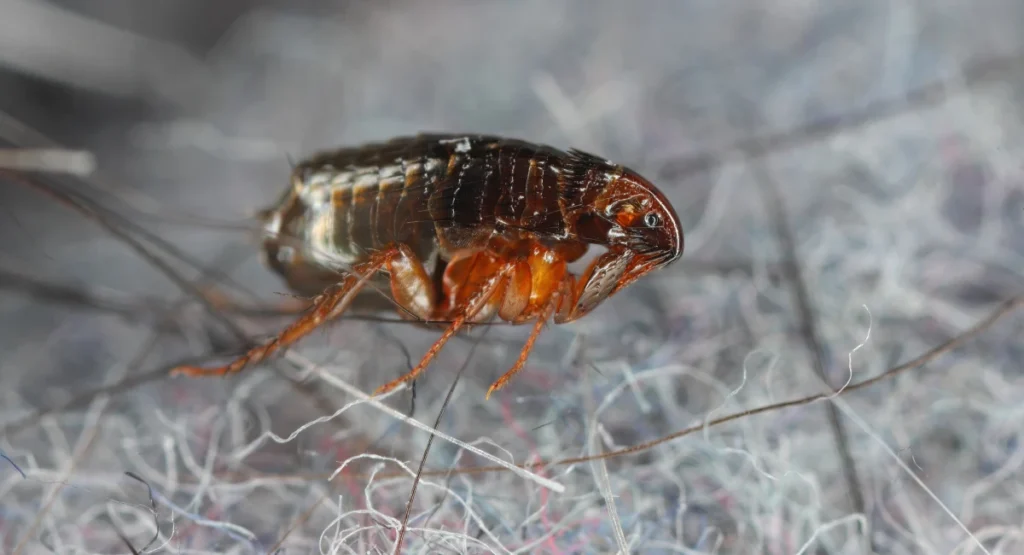
Fleas are wingless insects that use strong rear legs to jump onto pets, wildlife, and people for blood meals.
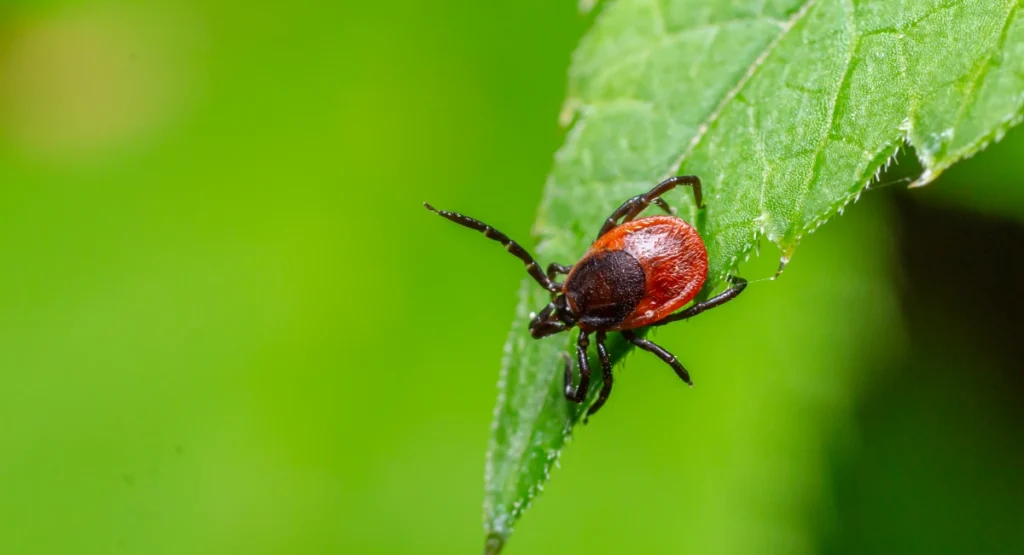
Ticks are arachnids that crawl onto a host, attach themselves to the skin, and feed for extended periods.
Appearance:
Flea Appearance:
Small, dark brown to reddish-brown insects with six legs and a laterally flattened body.
Appearance:
Tick Appearance:
Flat, oval arachnids with eight legs as nymphs and adults; they may swell after feeding.
Habitat:
Flea Habitat:
Found in pet bedding, carpets, upholstered furniture, shaded lawns, and areas frequented by animals.
Habitat:
Tick Habitat:
Common in tall grass, leaf litter, brush, wooded borders, bird nesting areas, and around wildlife activity.
Behavior:
Flea Behavior:
Jump between hosts, feed quickly, and lay eggs in resting areas rather than on the host.
Behavior:
Tick Behavior:
Wait on vegetation for a passing host, then crawl and attach to feed for hours or days.
Risks:
Flea Risks:
Cause itchy bites, skin irritation, allergic reactions, and potential anemia in heavily infested pets.
Risks:
Tick Risks:
May transmit diseases, depending on the tick species and location, and can affect people and pets.
Worried about pests? We are one call away.
Book your free inspection to get expert, local advice.
Signs of an Infestation
In Florida’s warm, humid conditions, flea and tick activity can continue through much of the year. These warning signs can reveal fleas are multiplying inside, or if ticks are being carried in from outdoors.
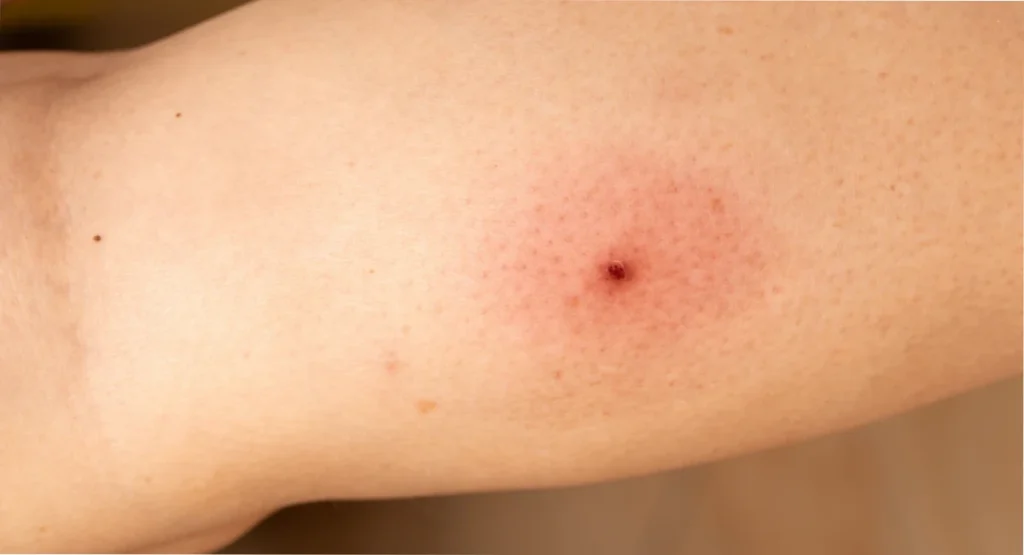
Signs of Fleas
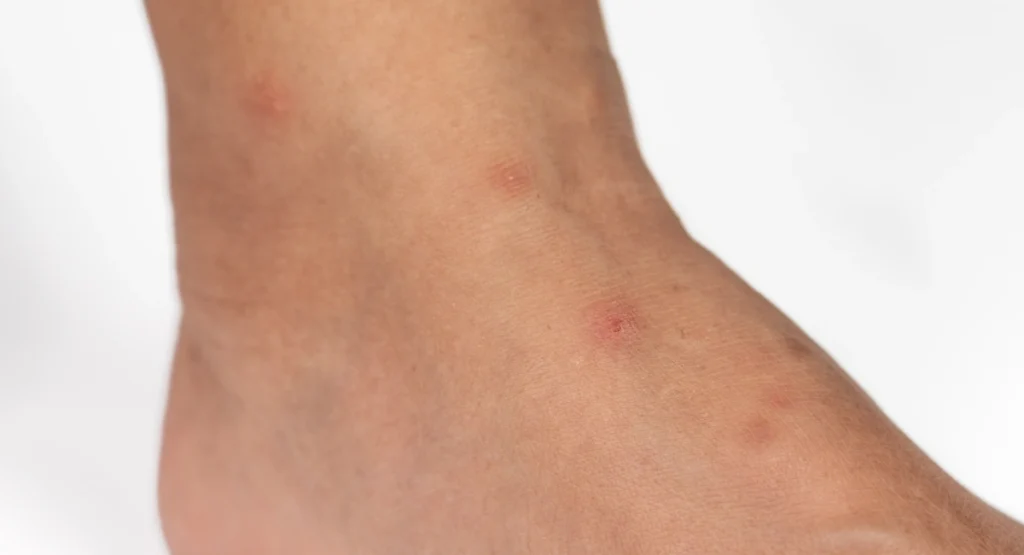
Pets may scratch, bite, or groom themselves more than usual, especially around the neck, tail, or belly. You may also find flea dirt, which resembles dark pepper-like specks, in pet fur, bedding, carpet, or furniture. Small, itchy bites on ankles and lower legs can also signal flea activity.
Signs of Ticks
Ticks are often found attached to pets or people after time outdoors, particularly around ears, the neck, between toes, the scalp, or underarms. Seeing ticks indoors can mean they were brought in on clothing or animals, while repeated sightings may point to nearby outdoor harborage.
Prevention Tips
Fleas and ticks can keep returning when pets, wildlife, and outdoor conditions support their life cycles. These steps can help break the cycle:
- Keep pets on a veterinarian-recommended flea and tick prevention program, and check them after outdoor activity.
- Vacuum carpets, rugs, upholstery, pet bedding, and baseboards regularly. Promptly empty the vacuum outdoors.
- Wash pet bedding and washable soft furnishings using the hottest setting the material allows.
- Mow lawns, trim vegetation, and remove leaf litter, brush, and unnecessary debris near buildings and guest areas.
- For businesses: Keep documented sanitation and pest-monitoring programs that support applicable FDA, Florida Department of Agriculture and Consumer Services, and local health requirements.
Frequently Asked Questions
Where Do Fleas and Ticks Live, and How Do Their Habitats Differ?
Fleas don’t build nests. Their eggs, larvae, and pupae collect in pet bedding, carpet fibers, cracks, and shaded outdoor areas. Ticks usually stay outdoors in vegetation and are carried indoors by pets, people, or wildlife.
What Attracts Fleas and Ticks to My Home?
Fleas are drawn to warm resting areas used by pets and wildlife. Ticks are attracted to people and pets, plus they thrive where grass, brush, leaf litter, or wildlife activity creates shelter.
How Can I Spot the Signs of an Infestation?
Fleas: Look for excessive pet scratching, flea dirt, and clustered bites for fleas. Ticks: inspect pets, family members, clothing, and gear after outdoor activity, and watch for attached ticks.
Which Pest Causes More Damage?
Neither pest damages a building like termites or carpenter ants. Fleas quickly disrupt homes and guest spaces with persistent bites, while ticks may cause health concerns as they can spread serious diseases.
How Can I Manage and Prevent Fleas and Ticks?
To help protect pets: reduce outdoor harborage, clean indoor resting areas, inspect regularly, and address wildlife access where appropriate. Our professionals use Integrated Pest Management to identify the source and apply targeted treatments.
What DIY Prevention Tips Can Homeowners Use?
Vacuum frequently, wash pet bedding, maintain short grass, clear leaf litter, and check pets after they spend time outdoors. Avoid relying on DIY products alone if activity continues or bites are recurring.
Flea Control
Fleas can persist as when they develop, they hide in carpets, upholstery, pet areas, and outdoor resting sites. Our professionals target active fleas and help disrupt their life cycle through inspection, focused treatment, and practical prevention guidance.
Tick Control
Ticks often originate outdoors, where brush, wildlife activity, and dense vegetation create ideal waiting areas. Our tick control service evaluates your property, targets likely harborage zones, and supports a safer environment for you, your family, pets, guests, and employees.