"When buying or selling a home in Florida, your real estate agent may ask about a “termite bond”—but what exactly is that, and is it something worth paying for?"
In simple terms, a termite bond is a service agreement between you and a licensed pest control company. In exchange for an annual fee, the company agrees to inspect your property on a regular schedule and, if termites turn up, treat the infestation at no extra charge. Some bonds go a step further with a damage warranty, which covers the cost of repairing structural damage caused by termites while the bond is active.
The word “bond” refers to the company’s financial and legal commitment to you—it’s not insurance, but the name has stuck. You may also hear the same agreement referred to as a termite warranty or termite contract. What sets it apart from a standard pest plan is the ongoing commitment plus a documented, transferable record of your home’s treatment and inspection history—something buyers and lenders often want to see before closing.
A typical termite bond includes:
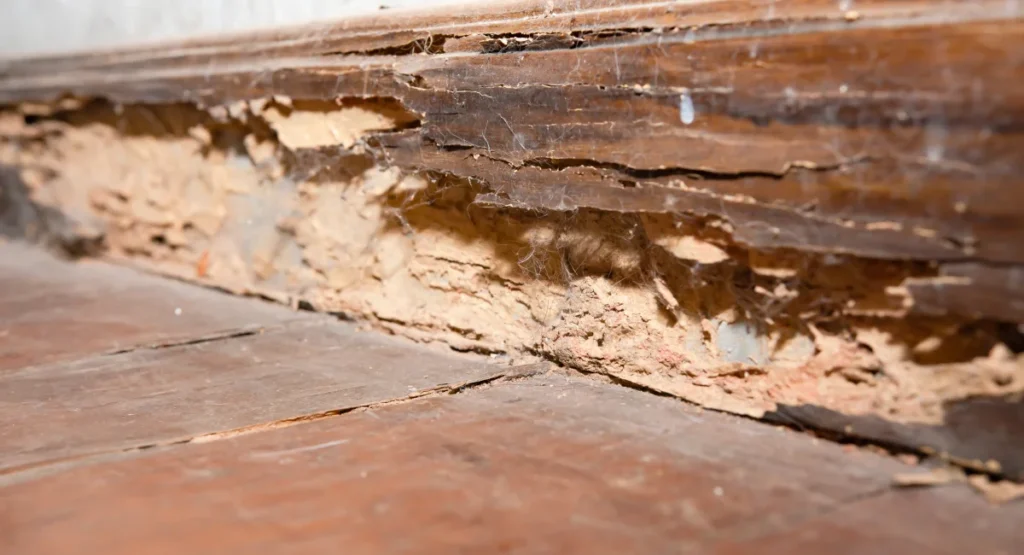
Regular inspections – annual or semi-annual checks for mud tubes, frass, damage, and conducive conditions.
A re-treatment guarantee – free follow-up treatment if termites return.
A damage warranty (select agreements) – repair coverage for termite damage that occurs while the bond is in place. Always confirm whether this is included, as many basic bonds cover re-treatment only.
Most bonds won’t cover pre-existing damage, detached structures (unless specified), or anything discovered after the bond lapses. So, is a termite bond a waste of money? For most Florida homeowners, no. However, with subterranean, drywood, and Formosan termites active year-round—and structural repairs potentially running into the thousands—ongoing professional monitoring is a sensible investment.