
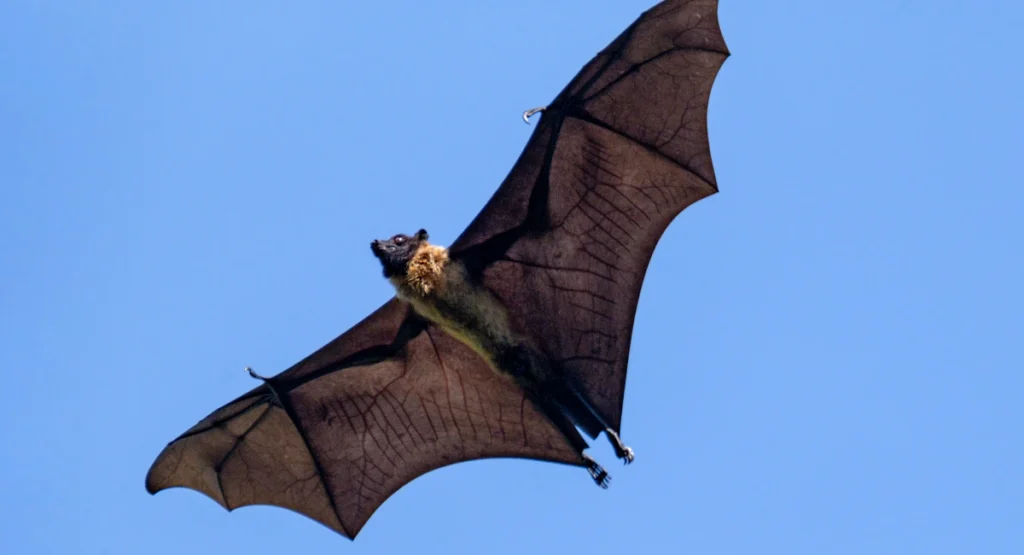
Quick Comparison: Flying Fox vs. Bat
- Size: With broad wings and fox-like faces, flying foxes are one of the world’s largest bats. Most of the other bats in Florida are much smaller.
- Diet: Flying foxes eat fruit, nectar, and flowers. Native Florida bats eat moths, beetles, mosquitoes, and other insects
- Senses: Flying foxes rely on eyesight and smell. Most Florida bats use echolocation, like a natural sonar, to navigate and hunt.
- Location: Flying foxes aren’t native to Florida. A bat in Florida is far more likely to be a native insect-eating bat.
- Risk: Neither animal should be handled. Bats in Florida are strictly protected by law, and are capable of transmitting diseases. Inside structures, they can create sanitation, health, and compliance concerns through droppings, odor, and entry activity.
The Difference Between Flying Foxes and Bats
The difference can be confusing as flying foxes are bats. But flying foxes belong to a distinct group of large, fruit-eating bats.
At a glance, flying foxes and bats share wings, fur, and nocturnal habits. But flying foxes are not native to Florida, while Florida’s native bats are insect-eating species.
Flying Fox
Bat
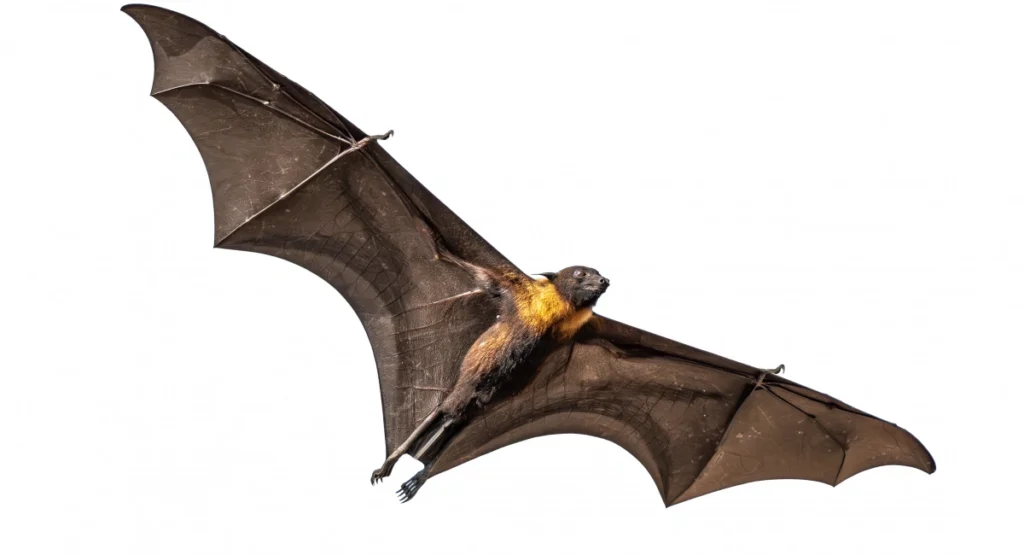
Flying foxes are large fruit bats known for their fox-like faces, strong eyesight, and important role in pollination and seed dispersal.
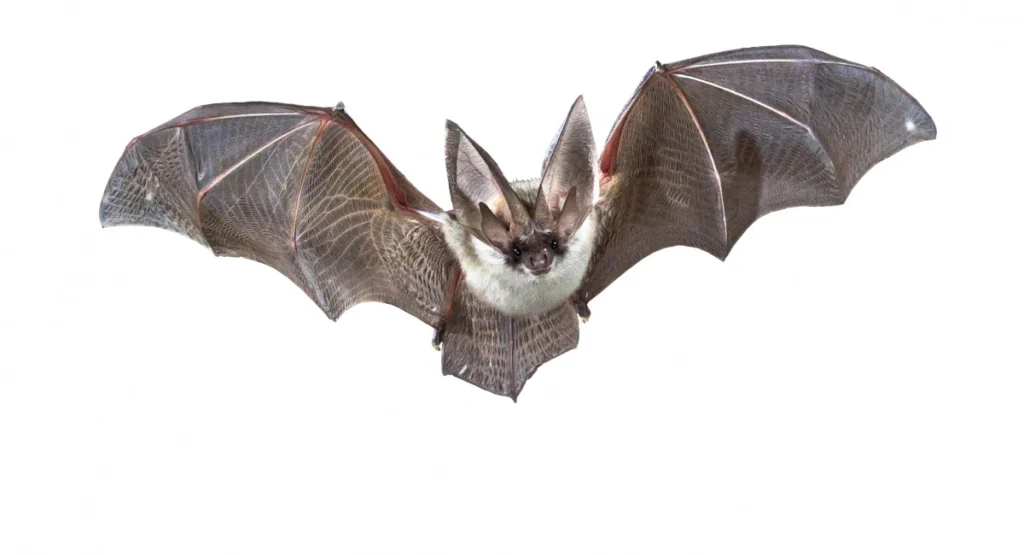
Florida’s native bats are small, insect-eating mammals that can benefit ecosystems but are a problem when they roost inside buildings.
Appearance:
Flying Fox Appearance:
Large body, broad wings, prominent eyes, and a face that resembles a small fox.
Appearance:
Bat Appearance:
Smaller bodies, thin wing membranes, and ears adapted for hearing and echolocation.
Habitat:
Flying Fox Habitat:
Typically roost in trees, forests, mangroves, and tropical coastal areas outside Florida.
Habitat:
Bat Habitat:
Roost in tree cavities, palms, bridges, attics, wall voids, soffits, and other sheltered spaces.
Behavior:
Flying Fox Behavior:
Often gather in tree colonies and travel at night to feed on fruit and nectar.
Behavior:
Bat Behavior:
Emerge around dusk to hunt flying insects, often using echolocation to find prey.
Risks:
Flying Fox Risks:
Not a typical Florida pest that could damage your buildings, but wildlife should never be handled due to their protected status and possible disease exposure.
Risks:
Bat Risks:
Guano buildup, odor, noise, staining, and potential health concerns can affect homes and commercial properties.
Worried About Pests? We Are One Call Away.
Book your free inspection to get expert, local advice.Signs of an Infestation
Flying foxes are not native to Florida. If you see repeated activity around rooflines, vents, or soffits it usually means you have bats.
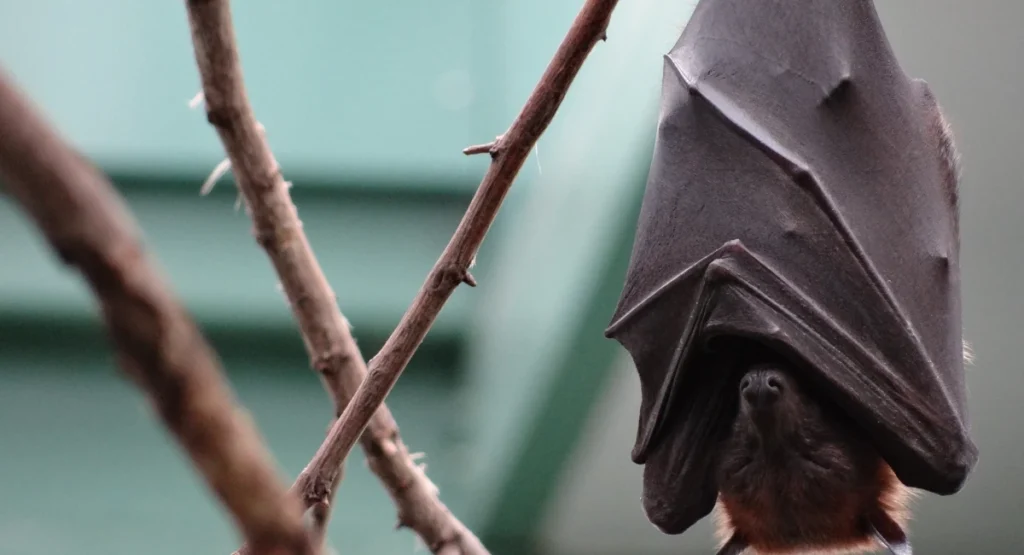
Signs of Flying Foxes
Recurring flying fox activity at a Florida property would be unusual. Large fruit bats may roost in trees in clusters where they occur naturally. They make noises and leave behind fruit debris.
Signs of Bats
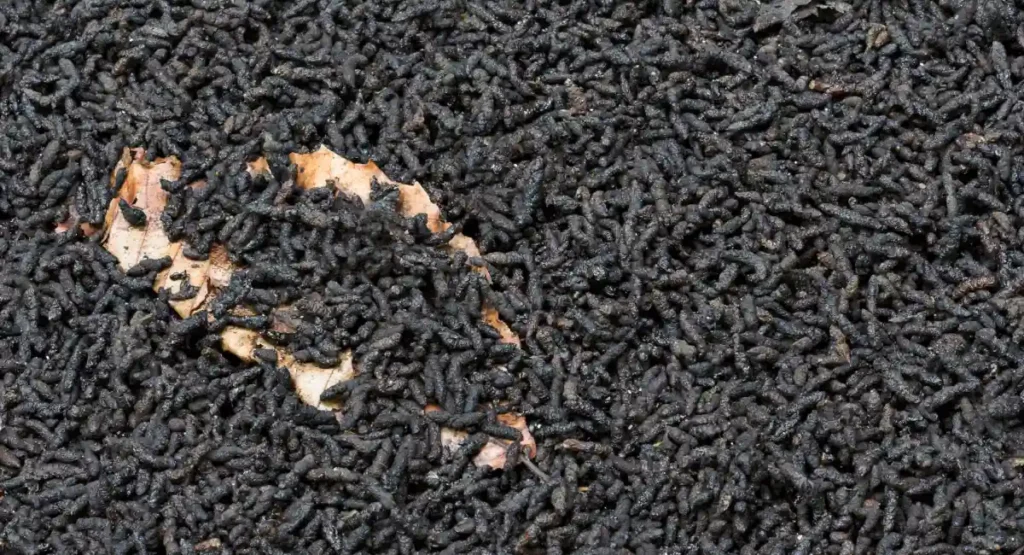
Look for bats exiting at dusk, small dark droppings beneath entry points, staining near gaps, chirping sounds, and a musty odor. Guano may accumulate in attics, wall voids, warehouse rafters, or beneath roof overhangs.
Prevention Tips
The goal is keep bats outside through lawful, humane exclusion and better building maintenance, without harming them. Only block entry points around rooflines, vents, siding, and utilities, when you have no bats inside.
In Florida, bat exclusion has seasonal restrictions. The Florida Fish and Wildlife Conservation Commission states that no pest company can install exclusion devices without a permit during the maternity season, from April 16 through August 14. We can remove and exclude bats all year round, if they are in your bedroom or lounge.
- Inspect rooflines, soffits, vents, siding, and utility penetrations for gaps or damage.
- Repair openings and install appropriate screening only after confirming bats are no longer inside.
- Keep exterior doors, loading bays, and dumpster areas clean, secure, and well managed.
- Remove guano only with appropriate protective measures and our professional guidance as bat guano spreads disease.
- Schedule professional inspections to identify entry points, assess activity, and support lawful exclusion planning.
Frequently Asked Questions
Where Do Flying Foxes and Bats Nest, and How Do Their Habitats Differ?
Flying foxes usually roost in trees in tropical regions where they naturally occur. Florida bats may use trees, bridges, attics, soffits, wall voids, and other protected building spaces.
What Attracts Flying Foxes and Bats to My Home?
Flying foxes seek fruiting or flowering trees. Florida bats are drawn to quiet, dark, sheltered gaps that provide stable roosting conditions.
How Can I Spot the Signs of an Infestation?
Watch for repeated dusk emergence, droppings beneath gaps, odors, stains, chirping, or bats near rooflines. Do not touch bats or clean large guano deposits without proper precautions.
Which Pest Causes More Damage?
Flying foxes are not a typical Florida property pest. Bats can create more direct building concerns when they roost indoors and leave guano, urine staining, plus cause odor, and contamination risks.
How Can I Manage and Prevent Flying Foxes and Bats?
Use our Integrated Pest Management approach built around inspection, exclusion, sanitation, monitoring, and repairs. For bats, our highly trained professionals understand Florida’s humane removal and seasonal exclusion requirements.
What DIY Prevention Tips Can Homeowners Use?
Keep rooflines, vents, and exterior openings in good repair. Avoid handling bats, avoid blocking active exits, and contact us at Florida Pest Control if you see repeated bat activity.
Flying Fox Control
Flying foxes are not expected as a typical pest issue in Florida. If you believe you have seen one, avoid contact and seek our professional wildlife guidance for proper identification and next steps.
Bat Control
Our professional bat control focuses on inspection, humane exclusion planning, entry-point sealing, and sanitation recommendations. We help protect Florida homes and businesses while following applicable wildlife requirements.