
What is the Lifespan of a Mosquito?
Mosquitoes generally have a lifespan ranging from one to two months. However, within this timeframe, they engage in continuous reproduction, perpetuating their population cycle. Following egg deposition, larvae transition into pupae and subsequently emerge as adults within approximately 14 days. The adult mosquitoes then proceed to breed and lay eggs, initiating the cycle anew. Mosquitoes meet their demise due to cold weather, predator attacks, or natural causes within this one to two-month span.
Mosquito Life Cycle
A typical mosquito life cycle spans around 14 days, characterized by the following stages:
- Female mosquitoes require a blood meal to facilitate reproduction, after which they deposit their eggs in or around stagnant water.
- Eggs typically hatch within 24 to 72 hours, with larvae appearing as wriggling entities in the water, feeding on algae and organic matter.
- After about a week or ten days, larvae progress into the pupal stage. During this phase, pupae spend a few days near the water surface to acclimate to the air.
- Roughly three days into the pupal stage, adult mosquitoes emerge. Mere hours later, they become capable of breeding. Female mosquitoes retain the ability to reproduce and lay eggs throughout most of their lifespan.
Do You Have a Mosquito Problem? We Can Help.
Click the button below to leave your information & we'll be in touch in an hour or less.
Get a FREE quoteHow Long Do Mosquitoes Live?
Male mosquitoes, sustained by plant nectar, typically survive for one to two weeks. Conversely, female mosquitoes can persist for over a month. Unhatched mosquito eggs possess the capacity to wait for several months until optimal conditions to hatch. Despite the relatively brief individual lifespan of mosquitoes, their prolific reproduction ensures a consistent population during the summer months. Due to this, during those months mosquito prevention and mosquito control are popular in reducing pest problems.
How Do Mosquitoes Die?
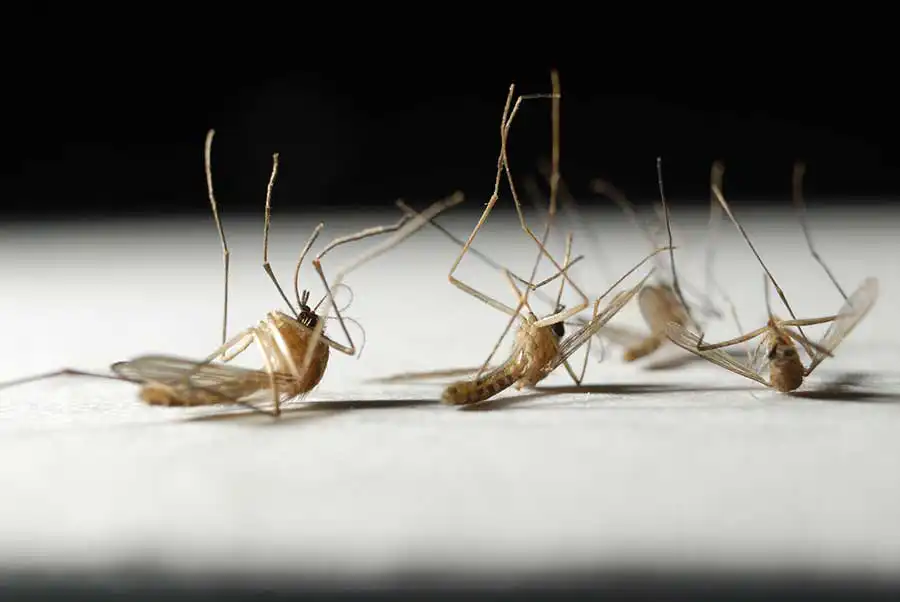
Dispelling a common misconception, mosquitoes do not die after a blood meal. Female mosquitoes, in particular, continually feed throughout their lifespan. Their natural demise occurs within one to two months, overlapping with the end of warmer seasons. Mosquito populations dwindle as temperatures drop below 50 degrees Fahrenheit, rendering them inactive. While females may enter hibernation, and dormant eggs can survive through winter, the majority succumb to environmental factors or natural aging.