
Quick Comparison: Palmetto Bug vs Cockroach
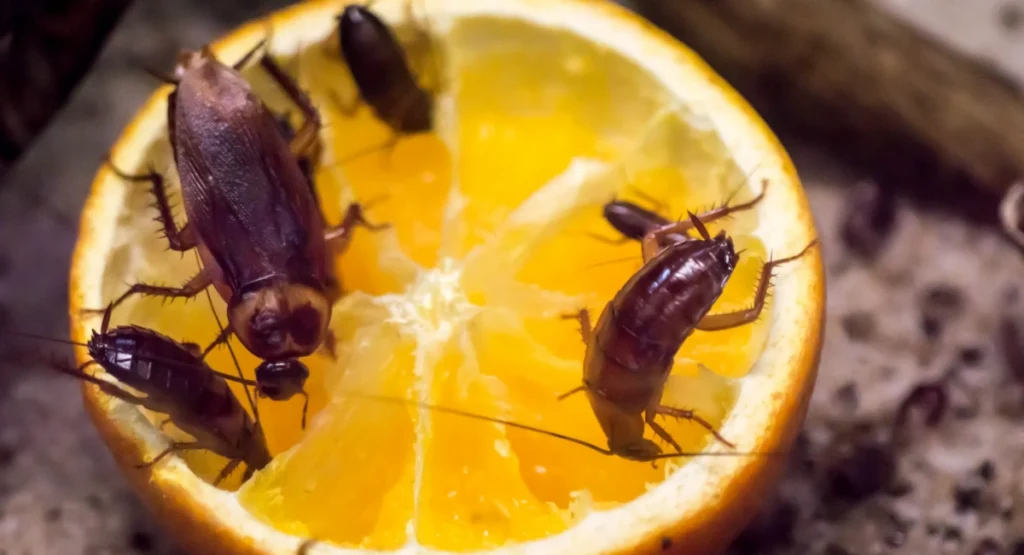
- What they are: “Palmetto bug” is a Southern nickname, not a species—it usually refers to the American cockroach, smokybrown roach, or Florida woods roach.
- Size: Palmetto bugs are large (1.5–2 inches); German cockroaches are tiny by comparison (about ½ inch).
- Habitat: Palmetto bugs prefer the outdoors; smaller roaches like German cockroaches live and breed indoors.
- Flight: Palmetto bugs can glide short distances. Most smaller indoor roaches rarely fly.
Lifespan fact: A cockroach can survive up to a week without its head, breathing through tiny body openings.
The Difference Between Palmetto Bugs vs Cockroaches
“Palmetto bug” is simply a regional nickname for the larger cockroach species common in Florida. So the real distinction isn’t between palmetto bugs and cockroaches at all—it’s between the big, mostly outdoor species and the smaller varieties that infest homes.
Palmetto Bugs
Cockroaches

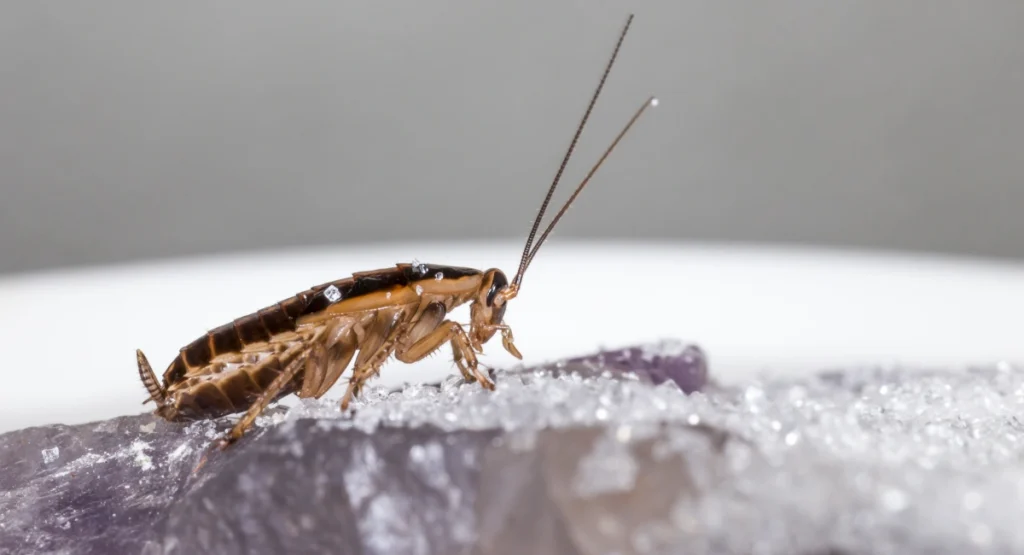
Large cockroaches—typically American cockroaches or Florida woods roach—that prefer the outdoors but wander in for food, water, or shelter. Interestingly, American cockroaches are among the fastest insects, sprinting up to three miles per hour.
Smaller roach species in Florida include German, brown-banded, smoky brown, and Asian cockroaches. The German cockroach is the biggest concern indoors: a single female can produce thousands of offspring in a year.
Appearance:
Palmetto Bugs Appearance:
Large (1.5–2 inches), reddish-brown to dark brown, with wings.
Appearance:
Cockroach Appearance:
Varies by species; German roaches are small (about ½ inch), tan, with two dark stripes.
Habitat:
Palmetto Bugs Habitat:
Mulch, palmetto plants, tree bark, sewers, and damp outdoor areas.
Habitat:
Cockroach Habitat:
Kitchens, bathrooms, appliances, cabinets, and other warm, humid indoor spots.
Behavior:
Palmetto Bugs Behavior:
Nocturnal; can fly or glide short distances and scatter when disturbed.
Behavior:
Cockroach Behavior:
Hide by day, forage at night, and reproduce rapidly.
Risks:
Palmetto Bugs Risks:
Spread bacteria and trigger allergies.
Risks:
Cockroach Risks:
Contaminate food, spread bacteria, and trigger allergies and asthma.
Worried About Pests? We Are One Call Away.
Book your free inspection to get expert, local advice.Signs of an Infestation
The sight of a cockroach inside is usually enough to signal an infestation, although if it’s a palmetto bug, the sighting could just be a one-off, and no cause for concern. Before you panic, though, consider the following signs to help with identification.
Signs of Palmetto Bugs
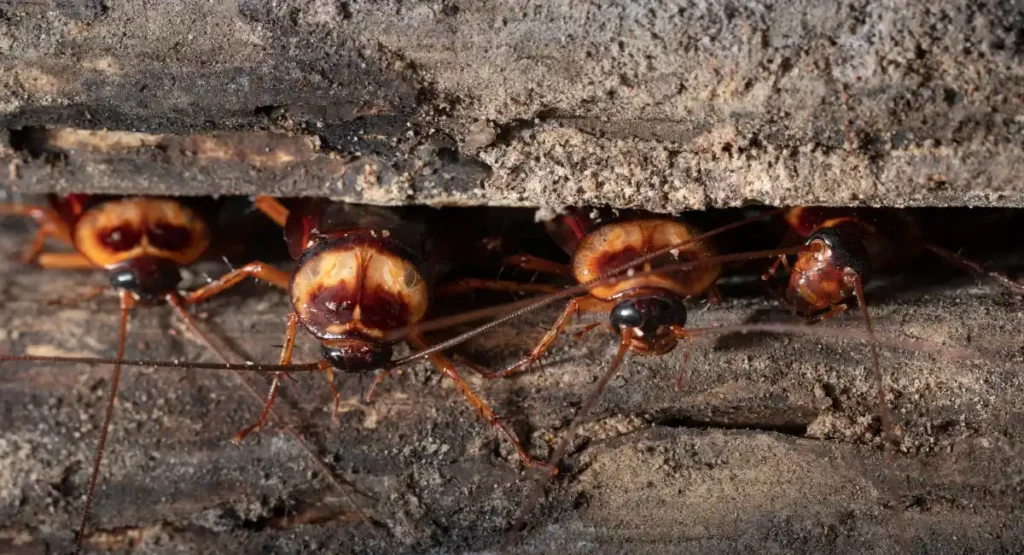
Palmetto bugs are mostly solitary when moving around outside at night. They gather near drains, garages, and entryways, but can accidentally end up inside when the weather turns wet or unusually hot.
Signs of Cockroaches
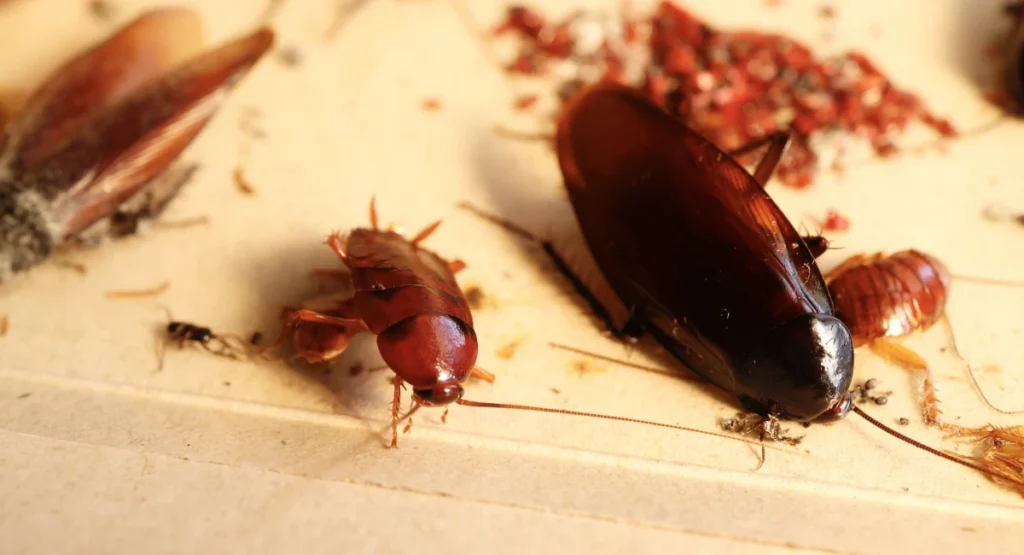
Watch for droppings that look like coffee grounds or pepper, egg casings, and roaches scattering when you turn on a light. Frequent daytime sightings usually mean a large, established indoor population.
Prevention Tips
To a Florida cockroach, your home is warm and humid, with a year-round supply of food and water. This can make it difficult to prevent invasions. However, a few smart habits can help to remove your property from their radar:
- Seal cracks and gaps around doors, windows, pipes, and baseboards—roaches can squeeze through openings as thin as a coin.
- Fix leaks and dry out kitchens, bathrooms, and crawl spaces; roaches can survive far longer without food than without moisture.
- Store food in sealed containers and wipe up crumbs, spills, and pet food before they become an overnight feast.
- Keep mulch, wood piles, and overgrown vegetation away from your foundation, where palmetto bugs love to gather before heading inside.
- Take out garbage regularly and keep bins tightly sealed, both indoors and out—leftovers are an open invitation.
- Schedule professional inspections and treatments to spot and stop trouble before a stray roach becomes a full-blown colony.
Frequently Asked Questions
Is a Palmetto Bug the Same as a Cockroach?
Yes. “Palmetto bug” is a Southern nickname rather than a scientific term, usually referring to the large American cockroach or the Florida woods roach. All palmetto bugs are cockroaches, but not all cockroaches are called palmetto bugs.
Why is it Called a Palmetto Bug?
The name comes from their habit of hiding in and around palmetto plants and dense vegetation common across the South. Many people prefer the term simply because it sounds less alarming than “cockroach.”
What Cockroach Species are Common in Florida?
Florida hosts several species, including the German, American, Australian, brown-banded, smoky brown, and Asian cockroaches, as well as the native Florida woods roach. The German cockroach is the most troublesome indoors, while the larger species are the ones typically called palmetto bugs.
Can Palmetto Bugs Fly?
To a degree. American cockroaches and other palmetto bugs have wings and can glide short distances, which is more likely in warm weather. They aren’t strong fliers, but they can startle homeowners by gliding toward lights or across a room.
Why Are Cockroaches So Hard to Get Rid Of?
Roaches are remarkably resilient; they breed quickly, squeeze through tiny gaps, and can go weeks without food. German cockroaches also develop resistance to some over-the-counter sprays, which is why DIY solutions often fail.
When Should I Call a Professional?
If you’re seeing roaches regularly, finding droppings or egg casings, or seeing them during the day, it’s time to call a professional. A licensed cockroach exterminator can identify the species, locate hiding spots, and eliminate the infestation at its source.
Cockroach Control
When roaches take hold indoors, our expert cockroach exterminators locate hidden nests, eliminate fast-breeding colonies, and block access to protect your family, food, and home from contamination and allergens.
Palmetto Bug Control
Florida Pest Control targets the large palmetto bugs that wander in from mulch, drains, and vegetation—treating entry points and outdoor harborage to keep these oversized roaches outside, where they belong.