What Are German Cockroaches?
The German cockroach, scientifically known as Blattella germanica, is one of the most common indoor pests in Florida. This insect is small, fast, and often challenging to eliminate without professional help. It is often mistaken for other roach species, but German cockroach identification is possible by looking closely at size and markings.
Like many indoor pests, the German cockroach species prefers warm, humid spaces with easy access to food and water. Homes, restaurants, and apartment complexes are common places for them to settle and multiply. Once inside, they can spread quickly from one area to another.
What Do They Look Like?
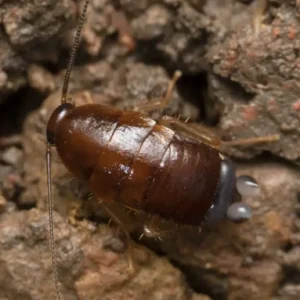
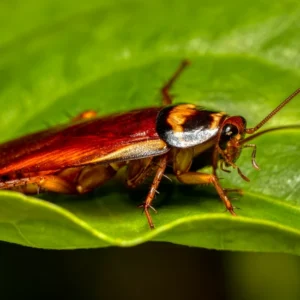
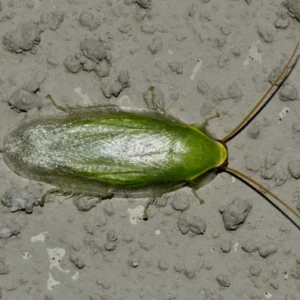
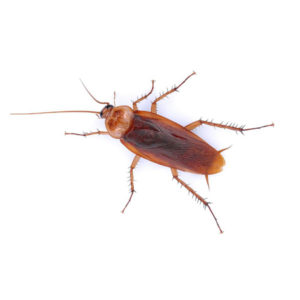
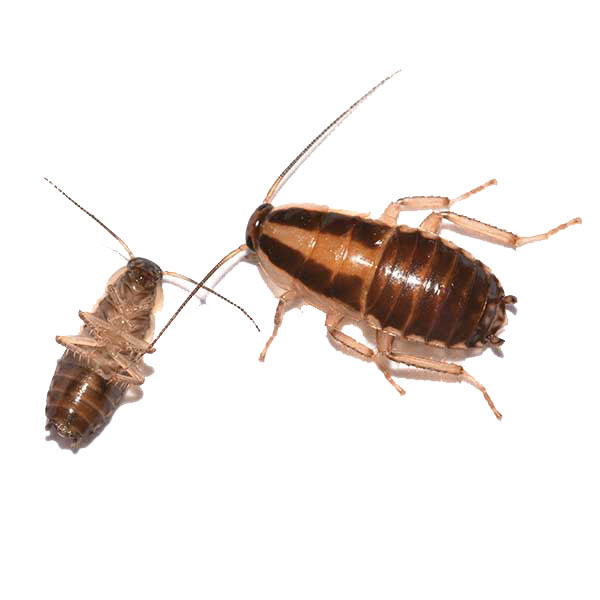
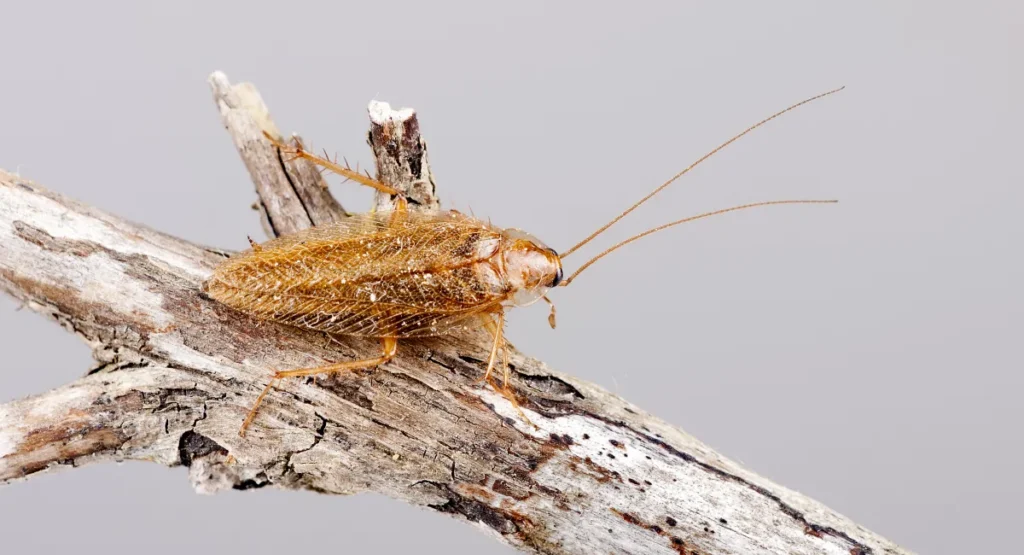
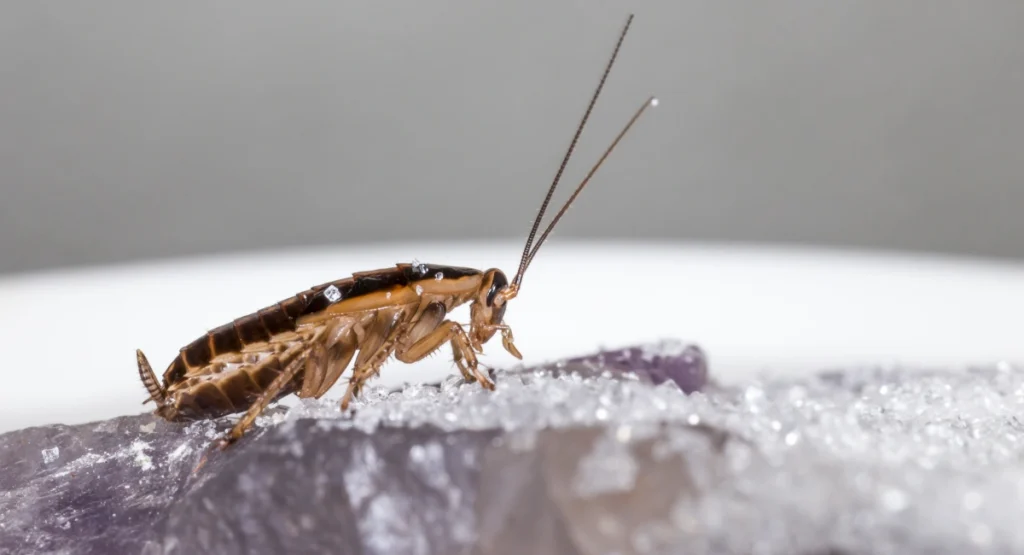
The adult German cockroach is light brown or tan, with two dark stripes running from the head to the back. These stripes are one of the most noticeable ways to distinguish them from other roaches. They typically grow to about half an inch in length. Young ones, called nymphs, are darker and don’t have wings yet.
Key Characteristics
Understanding German cockroach behavior helps you to identify where they hide and how they move throughout a space. They’re fast runners and usually stay out of sight during the day. At night, they come out to look for food and water.
The Lifecycle of German Cockroaches
The German cockroach lifecycle starts with an egg capsule called an ootheca. Each capsule can hold up to 40 eggs. The female carries this capsule until just before the eggs hatch, which gives the young a better chance of survival. This is one reason why infestations can escalate so rapidly.
Once hatched, the nymphs progress through several stages before becoming adults. Under ideal indoor conditions, it can take as little as 40 days to grow from egg to adult. Since one female can produce multiple egg capsules in her life, populations can explode quickly if not controlled early.
German Cockroach Behaviors, Threats, or Dangers
German cockroaches are not known to bite humans; however, foraging cockroaches are vectors of disease, depositing germs or bacteria in areas they inhabit. They can also cause allergic reactions due to the insects leaving fecal matter and cast skins around the home, causing skin rashes, watery eyes, sneezing, nasal congestion, and asthma. In addition to spreading disease, German cockroach infestations may cause human psychological stress. With the social stigma attached to having cockroaches in your home, homeowners tend to alter their behavior by entertaining less often and avoiding kitchen and bathroom areas at night for fear of encountering the pest.
German cockroaches can multiply rapidly, meaning a cockroach infestation should be addressed immediately by a professional cockroach exterminator.
Habitat and Diet of German Cockroaches
German cockroach habitat includes kitchens, bathrooms, and laundry rooms. They prefer warm, moist areas with close access to food and water. You may find them behind stoves, inside cabinets, near dishwashers, or under sinks. These roaches use small cracks and crevices to hide during the day and often stay close to their hiding places.
They feed on a wide variety of materials: crumbs, grease, food scraps, even toothpaste and soap. Once they get inside, their broad diet allows them to survive in many environments.
Signs of German Cockroach Infestation
The telltale signs of a German cockroach infestation are usually spotted in warm, humid areas like kitchens and bathrooms. Key indicators include small droppings that look like scattered black pepper or coffee grounds, as well as dark smear marks along baseboards and walls. You might also find small, brown egg cases hidden in tight cracks. As the population grows, you will often notice a distinct, musty odor lingering in heavily infested rooms.
Preventing Infestations of Blattella germanica
To prevent Blattella germanica from entering your home, focus on blocking their entry points and removing what attracts them. Close gaps around pipes, floors, and walls to prevent them from moving between rooms. Keep your counters and floors clean and free of crumbs and spills to limit their food source. Store dry goods in sealed containers and repair any water leaks quickly.
If you’ve had an infestation before, regular inspections are essential. Even a small number of eggs left behind can start a new population.
Effective German Cockroach Control Methods
Professional treatment is often needed for full control. Technicians know how to find nests, place bait in key locations, and apply growth regulators to stop roaches from maturing. Over-the-counter sprays often miss hidden areas and may only reduce the roaches that you can see. The most effective treatments target the lifecycle and help prevent new generations from developing.
If you think you’ve spotted signs of a German cockroach infestation, contact Florida Pest Control. We offer services tailored to your needs. Our team evaluates your home or business layout, identifies high-risk areas, and builds a plan that helps manage the problem at its source. We know how to locate, treat, and manage infestations so you can protect your home or business from further problems.
Frequently Asked Questions
Where Are German Cockroaches Commonly Found?
They are usually found in warm, moist spaces like kitchens, bathrooms, and behind appliances where they can stay hidden during the day.
What Attracts German Cockroaches to Homes?
Food crumbs, grease, moisture, and clutter all attract German cockroaches. Leaky pipes, dirty dishes, and open food containers make it easier for them to settle in.
Are German Cockroaches Dangerous?
German cockroaches have been linked to the spread of bacteria on surfaces and in food. In some cases, their droppings and shed skin may contribute to allergy or asthma symptoms, particularly in sensitive individuals. If you are concerned about potential health risks, it is best to consult a healthcare professional and get our cockroach exterminators in right away.
How Quickly Do German Cockroaches Reproduce?
Very quickly. A single female can produce hundreds of offspring in just a few months due to the number of eggs she carries and how fast the young develop.
Are Natural Remedies Effective Against German Cockroaches?
Natural options may reduce small numbers, but they are rarely enough to eliminate an infestation. These pests often hide in areas where natural treatments can’t reach. For more complete control, professional cockroach extermination works better for large or hidden populations.
Can German Cockroaches Survive Without Food or Water?
German cockroaches are highly resilient when it comes to starvation and can survive for up to a month without eating any food. They’re extremely dependent on moisture, which is why they usually nest near plumbing in kitchens and bathrooms.
Why Are German Cockroaches Hard to Get Rid Of?
German cockroaches are notoriously difficult to eliminate because they reproduce at an incredibly rapid rate, with a single female capable of producing hundreds of offspring in her short lifetime. Additionally, their tiny, flat bodies allow them to hide deep within inaccessible cracks, wall voids, and household appliances, and they’ve developed a strong resistance to many over-the-counter pest control products.
When Should I Call A Professional for German Cockroach Control?
You should contact a pest control professional at the first sign of an infestation, particularly if you see live cockroaches during the daytime, which typically indicates a severe overpopulation problem in which their hiding spots are full. Because they spread so quickly, DIY methods often fall short. Professionals have the targeted treatments and expertise necessary to completely break their breeding cycle.