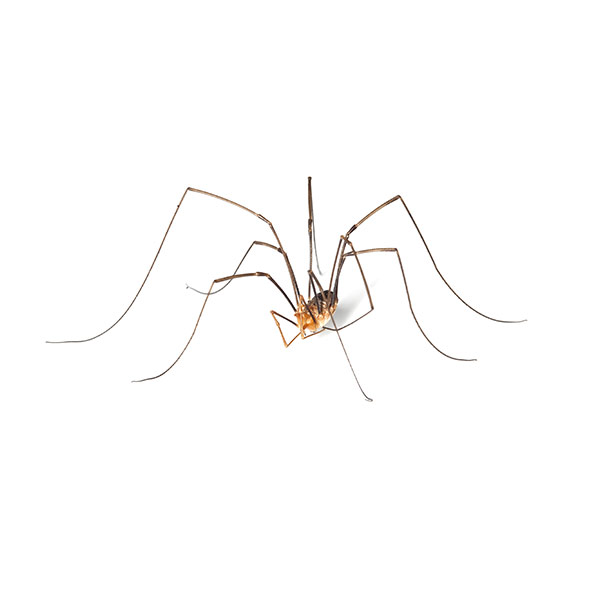
Daddy Long Legs Spider Identification

Category:

Actual Size: 0.6 mm to 23 mm

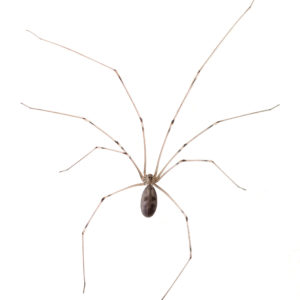
Characteristics: Brown, grey or black with thin legs; has a small round body without a ‘waist’.

Legs: 8

Habitat: During summer, they are commonly found on the shady sides of buildings, underneath eaves, and crawl spaces. In fall, will gather in large groups on the sides of buildings in a wiggling mass.

Habits:

  • Not true spiders and unable to spin webs.
  • Will emit a strange smelling odor that will repel potential predators.
  • The legs of the harvestman fall off easily and continue to twitch to ward off predators.

Often called harvestmen, daddy long-legs spiders are among the most recognizable arachnids in the United States. With their slender bodies and extremely long, thin legs, they are often spotted in homes, gardens, and shaded outdoor spaces. Despite their name, daddy long-legs are not technically spiders but are closely related. Their distinct appearance, nocturnal activity, and group gathering habit make them one of the most familiar Florida spiders with long legs.

Daddy Long Leg Spiders in Florida

Florida’s warm climate supports a wide range of arachnids, and daddy long-legs populations are especially abundant in Florida. They thrive in residential neighborhoods and natural habitats, where their long legs help them navigate uneven ground, vegetation, and crevices. Florida daddy long-legs are frequently spotted in gardens, garages, basements, and sheds. Harvestmen rely on scavenging and hunting small prey, unlike many spiders that spin elaborate webs.

As they are harmless, many residents tolerate daddy long-legs in Florida as part of the state’s natural ecosystem. They feed on insects, mites, and organic material, which helps reduce other pest populations. 

Daddy Long Legs Size and Characteristics

Daddy long legs disproportionate appearance is one reason they are so memorable and easily identified.

Their legs are not only long but also incredibly sensitive. They use them to detect vibrations and navigate their environment. If one leg is lost, the spider can often continue functioning normally, though losing multiple legs can hinder mobility.

Another characteristic feature is their tendency to gather in groups. In shaded, moist areas, dozens of daddy long legs may cluster together, creating a mass of moving legs. This behavior can look unsettling, but it is a natural form of protection, as large numbers discourage predators.

Daddy Long Leg Spider Habitat

Harvestmen do not have venom glands or fangs capable of injecting venom. They depend on scavenging for food and using defense strategies. These include letting out bad-smelling secretions and shedding their legs. Daddy long legs are often thought to be venomous. This confusion comes from the cellar spider, which does have mild venom to catch its prey. However, neither harvestmen nor cellar spiders pose any significant danger to humans. In reality, daddy long legs are harmless creatures with no venom.

Are Daddy Long Legs Poisonous?

Harvestmen do not have venom glands or fangs capable of injecting venom. Instead, they rely on their ability to scavenge food and defensive behaviors, such as releasing foul-smelling secretions or shedding legs. If you’ve heard that daddy long legs are venomous, it’s probably because they’re being confused with the cellar spider, which possesses mild venom for subduing prey. However, neither harvestmen nor cellar spiders pose any significant danger to humans. In reality, daddy long legs are harmless creatures with no venom.

Daddy Long Leg Spider Behaviors, Threats, or Dangers

Daddy long legs behavior is quite different from that of typical spiders. Instead of spinning webs, they roam in search of food. They are mostly nocturnal, becoming more active during the evening and night. Their movements can appear jerky due to the length of their legs, which they use to sense vibrations in the environment.

Harvestmen are beneficial predators in the garden because they eat aphids, spiders, and other garden pests. Harvestmen do not bite, or produce venom and pose no danger to humans. However, if harvestmen feel threatened or are disturbed, they will emit a strange smelling odor that repels potential predators.

One unique behavior is clustering. Groups of daddy long legs often gather in large numbers, hanging from ceilings, under porches, or in shaded corners. While this behavior is harmless, it can be alarming for property owners who encounter these groups unexpectedly.

Their presence inside homes can disturb, especially when they may be mistaken for a more harmful spider species. For commercial environments, such as restaurants or retail spaces, the sight of  one or clusters may warrant professional pest management for customer peace of mind. 

Although daddy long legs are harmless, their presence in large numbers indoors may need control measures. If you have this issue, Florida Pest Control can help you exterminate daddy long legs and address the root cause of the infestations. 

We offer residential pest control and commercial pest control solutions tailored to managing arachnids and other insects. Our spider pest control identification, treatment, and prevention strategies to keep properties free of unwanted spider activity.

Daddy Long Legs Frequently Asked Questions


Do Daddy Long Legs Spiders Pose Any Danger to Pets?

Daddy long legs are not venomous and do not harm pets. They do not have fangs to inject venom and cannot bite, making them harmless arachnids.

What Do Daddy Long Legs Spiders Eat?

They feed on dead insects, rotting plants, and sometimes very small live animals. By eating decaying matter and other pests, they play a role in natural pest control around homes and gardens.

How Long Do Daddy Long Legs Spiders Live?

Most daddy long legs live for about one year, completing their life cycle within a single season. During that time, they reproduce and contribute to controlling insect populations in their environment.