
Need Rodent Control?
Get a free, no obligation quote
"*" indicates required fields
What Attracts Rats to Florida Homes?
Rats follow opportunity. Crumbs, food scraps, spills, and easy access can transform an ordinary Florida property into an appealing rodent habitat.
Read on to understand what rats are attracted to so you can spot hidden risks before rodents settle inside a yard, attic, garage, or home. You’ll also discover how to reduce these attractions and make them easier to detect.
Common Factors That Attract Rats
Rats are adaptable scavengers that explore their surroundings for essentials for survival and nesting sites that minimize disturbance.
The main attractions include:
- Readily available food and water
- Protected shelter
- Nesting materials
- Strong food odors
- Concealed travel routes
- Easy entry points
Food Sources Around Homes and Yards
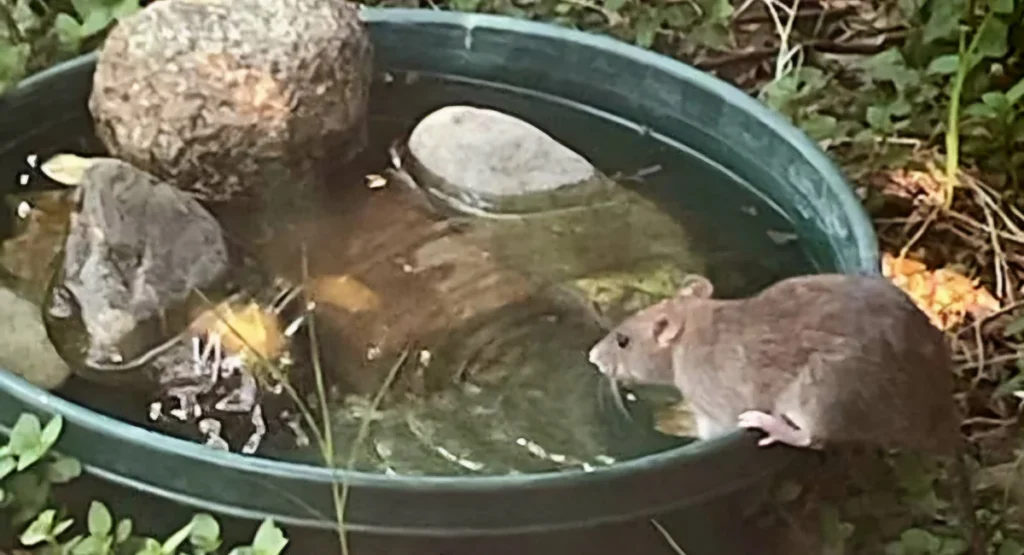
Rats are omnivores: they eat both plants and animals, whichever is easiest to reach. They’ll tuck into kitchen crumbs, unsealed groceries, pet food, and food waste. Even outside, they’ll feast on grease on grills, crumbs under furniture, and leftover food residue around patios. You can deter rats by quickly cleaning up spills and storing food in secure containers.

Water Sources Rats Can Depend on
Florida’s rainfall, humidity, and frequent irrigation mean that rats return to consistent water sources. These include:
- Leaking faucets
- Damaged irrigation pipes
- Pet bowls
- Ornamental ponds
- Water features
- Birdbaths
- Blocked gutters
- Plant saucers
- Under HVAC equipment
Homeowners should repair leaks, clear gutters, and empty unnecessary standing water. Ensure irrigation systems hydrate plants without repeatedly soaking foundations or storage areas.
Reducing this moisture also helps reduce mosquito and other pest populations.
Warmth, Shelter, and Nesting Areas
Rats seek secure areas that offer protection from predators and severe weather. Florida winters are mild, but changing conditions can still push rodents indoors. Attics, garages, sheds, wall voids, and crawl spaces provide quiet shelter. Insulation, cardboard, paper, and fabric may offer convenient nesting material.
Dense storage gives rats additional concealment. Rarely disturbed boxes can hide droppings, gnawing, or shredded material until an infestation becomes established. Using durable storage containers and reducing clutter make these spaces less welcoming. Better organization also allows faster inspections and earlier detection.
What Foods Attract Rats?
Rats can eat most food. But calorie-rich food with fats, protein, sugar, or carbohydrates is especially rewarding for rats. A modest, but consistent food source can attract more attention than an occasional large meal.
Pet Food, Birdseed, and Animal Feed
Pet food’s strong aromas and nutrients make it a prime feeding station if left outside overnight.
Even after being emptied, crumbs and residue still produce attractive odors to rats. So sweep, clean, and clear feeding areas each evening.
Use catch trays under birdseed feeders to reduce waste and reduce the risk of rats. Place feeders carefully to limit access from fences and branches.
Seal pet food, birdseed, and livestock feed in gnaw-resistant storage, as rats can chew through thin plastic packaging.

Garbage, Compost, and Food Scraps
Loose garbage lids, damaged containers, and overflowing bags can release strong odors that can lead rats to your house. So keep trash cans closed and clean around their lids. Don’t put bagged waste beside a full container overnight, as rats will just tear into it. Secure, compost in well-maintained containers, and reduce food residue by rinsing bottles, cans, and containers before recycling.
Fruit, Vegetables, and Garden Produce
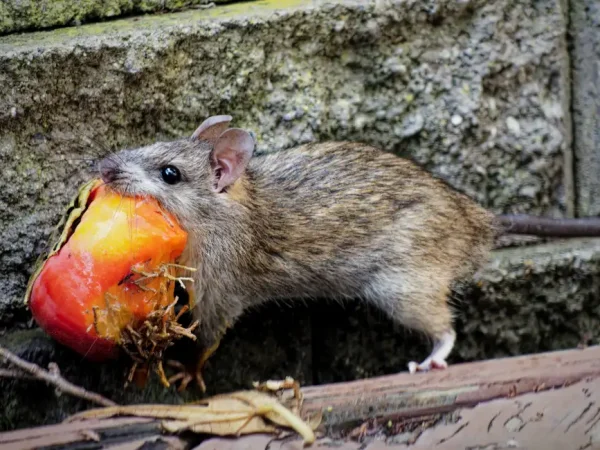
Overripe or damaged produce often releases stronger aromas. Fallen citrus, avocados, mangoes, tomatoes, and other produce provide an outdoor rodent feast.
Give rodents fewer reasons to visit:
- Harvest fruit and veg regularly.
- Clean up afterwards to reduce food and scent signals.
- Collect fallen fruit: don’t leave it to decay.
- Keep garden beds free from discarded vegetables.
- Try keeping your garden free from nuts, seeds, and berries.
Scents That Lead Rats Toward Homes
Rats have a well-developed sense of smell. So they’ll investigate aromas from garbage, grease, pet food, compost, and ripening fruit.
Clutter and Protected Hiding Places
Yard clutter gives rats cover from predators and household activity. Palm debris, woodpiles, unused equipment, and discarded furniture can create sheltered pockets. Thick ground cover and overgrown shrubs can conceal rat movement near foundations.
- Keep firewood elevated and separated from exterior walls.
- Clean and store outdoor cushions securely when they are not in use.
- Regular trimming improves visibility and removes protected travel corridors.
- Clear clutter inside, too, to remove possible nesting material.


Easy Routes Into a Building
Roof rats are agile climbers that can travel along trees, fences, and utility routes. Overhanging branches can serve as bridges to a roof, while vines and dense shrubs can hide exterior openings.
Potential entry points include:
- Damaged soffits and roof edges
- Open or broken vents
- Gaps beneath exterior doors
- Openings around pipes and cables
- Weak garage door seals
- Damaged crawl-space screens
How Pest Control Experts Can Safeguard Homes From Rats
Florida Pest Control uses Integrated Pest Management (IPM)—combining inspection, sanitation, monitoring, targeted control, and exclusion to help keep rodents away. Protecting Florida properties since 1949, our local rat exterminators understand how regional climate, landscapes, and architecture drive rodent activity.
Our evidence-based process eliminates underlying attractants rather than relying on quick fixes. Schedule a free property inspection with your local rodent exterminator today.
Frequently Asked Questions
What Smell Attracts Rats Most?
Food odors attract rats, particularly smells from garbage, pet food, grease, birdseed, compost, and ripe produce. Consistent access strengthens the attraction.
Do Clean Homes Attract Rats?
Yes. Even clean homes can get rats if they provide water, shelter, access, or outdoor food. Nearby construction and environmental disruption drive increased rat activity in your home.
Are Rats Only Active at Night?
No. While rats are mostly active at night, when homes and yards are quieter, seeing a rat in the daytime may mean their nest is disturbed, or their access to food, water, and shelter is limited.
Do Peppermint Oil and Other Strong Scents Repel Rats?
They can do. Strong scents may cause temporary avoidance, but they don’t remove access to food, shelter, or buildings. They are not substitutes for inspection and exclusion.
What Attracts Rats To A Yard?
Fallen fruit, birdseed, pet food, open compost, standing water, dense vegetation, and clutter can all make yards attractive to rats.
When Is Professional Rat Control Needed?
Professional help is wise when activity continues, entry points remain unclear, or rats are nesting inside walls, air ducts, attics, crawl spaces, insulation, or other hard-to-reach areas.