

Quick Comparison: Roof Rats vs. Norway Rats
- Body: Roof rats are slender/agile with pointed noses. Norway rats are larger/stockier with blunt noses.
- Length: A roof rat’s tail is longer than its head and body. A Norway rat’s tail is shorter than its body.
- Habitat: Roof rats favor elevated spaces. Norway rats usually burrow.
- Diet: Roof rats prefer fruits, nuts, and seeds. Norway rats prefer grains, meats, fish, and food waste
- Damage: Both contaminate food and damage property. Norway rats also undermine slabs. Roof rats create attic fire hazards.
The Difference Between Roof Rats and Norway Rats
At a glance, they look remarkably similar. But their bodies, tails, nesting locations, and travel patterns provide valuable clues to identify the roof rat vs. Norway rat. This helps determine where inspections, traps, and exclusion work should occur.
Roof Rats
(Rattus rattus)
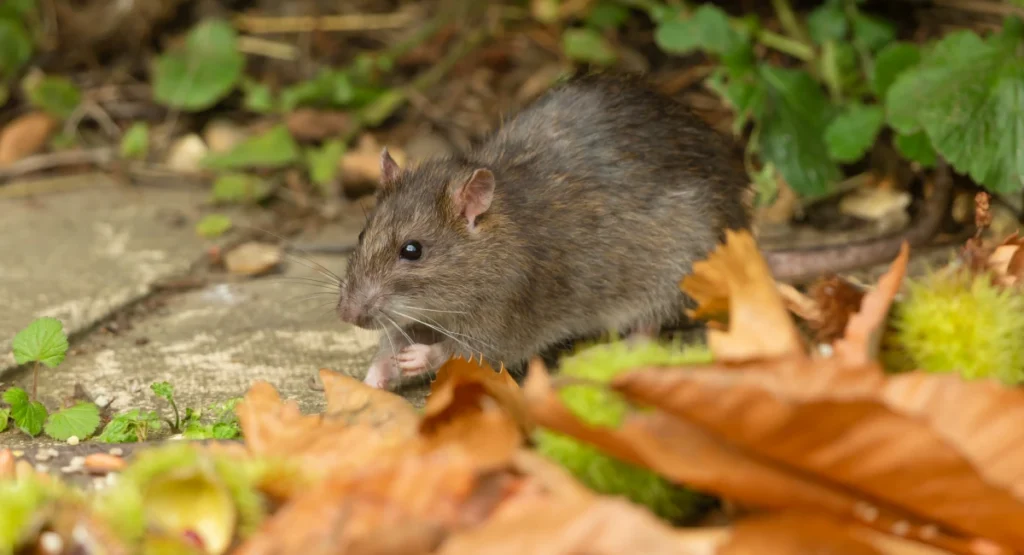
Norway Rat
(Rattus norvegicus)
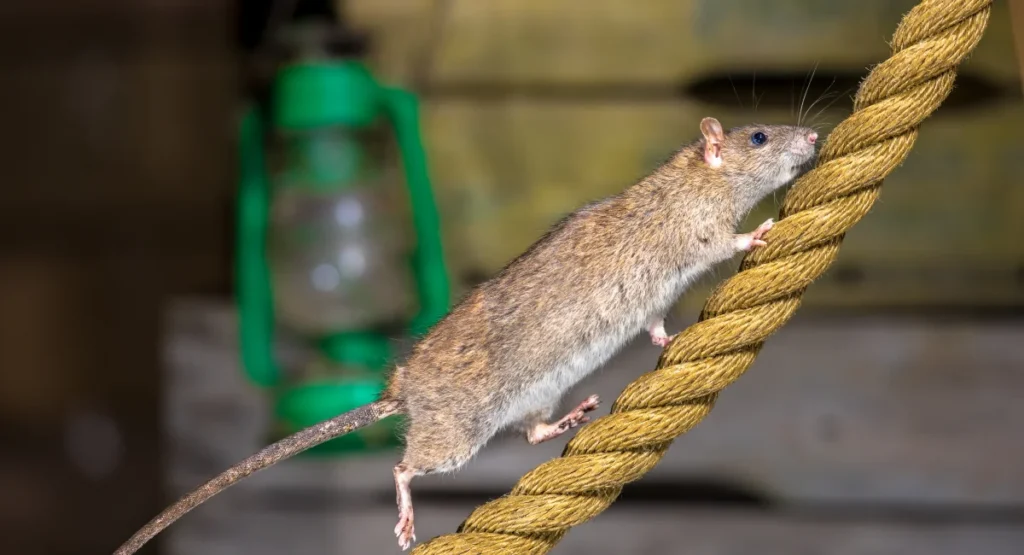
Agile climbers that often enter Florida buildings through rooflines, branches, utility lines, vents, and damaged soffits.
Powerful burrowers that often approach Florida buildings from ground level, drains, foundations, dumpsters, and landscaped areas.
Appearance:
Roof Rat Appearance:
Slender body, pointed nose, large ears, and dark fur. The tail is longer than both the head and body.
Appearance:
Norway Rat Appearance:
Stocky body, blunt nose, small ears, and coarse brown/gray fur. The tail is shorter than the body.
Habitat:
Roof Rat Habitat:
Nests in attics, rafters, ceiling voids, palms, dense vegetation, wall voids, and elevated storage areas.
Habitat:
Norway Rat Habitat:
Burrows by foundations, near dumpsters, and under slabs/debris. Indoors, they favor lower floors and crawl spaces.
Behavior:
Roof Rat Behavior:
Climbs exceptionally well, travels along elevated routes. Often carries food away before eating it. Usually active after dark.
Behavior:
Norway Rat Behavior:
Travels mainly along walls and ground-level runways. Digs extensive burrows and usually stays near dependable food/water.
Risks:
Roof Rat Risks:
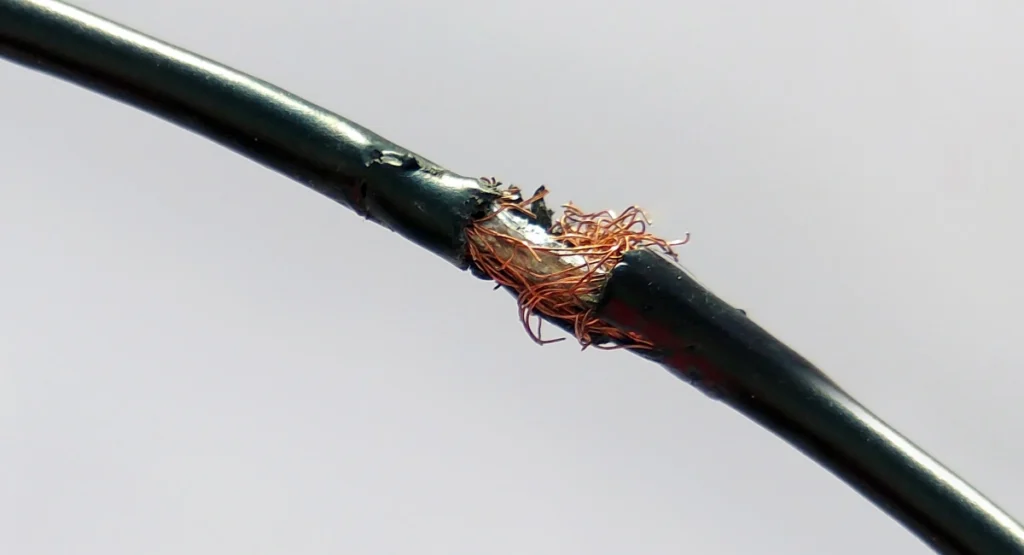
Contaminates surfaces and stored food. Gnaws wiring, pipes, insulation, packaging, roof materials, and structural components.
Risks:
Norway Rat Risks:
Contaminates food, damages equipment, gnaws utility lines, and weakens soil beneath slabs. Burrows can damage landscaping and drainage.
Worried About Rats? We Are One Call Away.
Book your free inspection to get expert, local advice.Signs of an Infestation
Rats usually hide by day, but their nightly routines leave signs, so you can spot an aerial roof rat invader from a Norway rat burrower. Early identification is vital as rats multiply rapidly. Unchecked, infestations can spread disease and contamination across kitchens, stockrooms, and processing areas.
Signs of Roof Rats
Listen for scratching above ceilings or inside upper walls after dark. Look for droppings, gnawed wiring, disturbed insulation, and rub marks along rafters. Hollowed citrus, damaged fruit, or rats crossing fences and utility lines can reveal outdoor activity.
Signs of Norway Rats
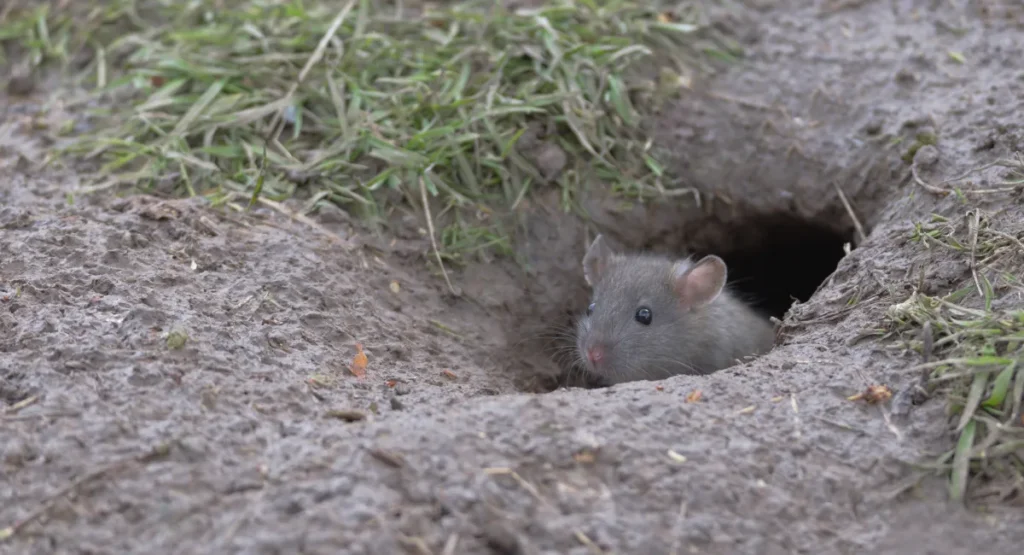
Listen for lower-wall noises. Look for ground-level droppings, gnaw marks, greasy wall rubs, tracks, disturbed garbage, and damaged food packaging. Burrow entrances may appear by foundations, under slabs, or near dumpsters.
Prevention Tips
Prevention makes your property less inviting and harder to enter. Remove food, water, and shelter, and then rats have fewer reasons to stay.
- Seal gaps: Close cracks around foundations, doors, windows, rooflines, vents, utility lines, pipes, and loading areas.
Trim vegetation: Trim branches from roofs and thin out dense vegetation. Remove fallen fruit, nuts, debris, and unused materials offering shelter. - Remove food: Store food, ingredients, animal feed, and waste in secure containers. Clean spills promptly and keep dumpsters closed, clean, and away from entrances.
- Control moisture: Repair leaks, improve drainage, clear gutters, and remove standing water.
Schedule inspections: A professional rat exterminator can identify species, nests, moisture problems, entry routes, and recurring activity before issues escalate.
Frequently Asked Questions
What Attracts Roof Rats and Norway Rats to My Home?
Both seek food, water, and shelter for safe nesting areas. Pet food, garbage, fallen fruit, leaks, clutter, and gaps in the building increase attraction.
How Can I Spot the Signs of an Infestation?
Spot droppings, gnaw marks, greasy rubs, nighttime noises, damaged packaging, nesting material, and unusual pet behavior. Activity overhead suggests roof rats. Ground-level tracks and burrows signal Norway rats.
Which Pest Causes More Damage and Danger?
Roof rats often damage attics, wiring, and roof-level materials. Norway rats’ burrowing damages slabs and foundations. Both species can carry fleas and ticks and transmit pathogens associated with leptospirosis, salmonellosis, and rat-bite fever.
How Can I Manage and Prevent Roof Rats and Norway Rats?
Use professional IPM for homes and businesses that combines inspection, sanitation, exclusion, monitoring, and carefully targeted control using pesticides regulated by the EPA. For businesses, our IPM programs also provide 24/7 access to audit-ready documentation for the FDA, USDA, DBPR, FDACS, and HACCP.
What DIY Prevention Tips Can Homeowners Use?
Seal gaps, trim branches, secure garbage, remove fallen fruit, repair leaks, and store food safely. Contact a professional rat exterminator if activity continues or you want to prevent them from returning.
Roof Rat Control
We assess, treat, and exclude roof rats, focusing on their elevated travel routes, attic nesting areas, entry points, food sources, and ongoing monitoring.
Norway Rat Control
We eradicate Norway rats by targeting their burrows, ground-level runways, lower structural openings, sanitation pressures, and nearby shelter.