
Is Termite Protection Necessary?
If you own a home in the southern U.S., especially in Florida, termite protection should be a top priority. Termites are attracted to the region due to the warm, humid climate and cause billions of dollars in damage every year. Homeowner insurance doesn’t necessarily cover termite-related repairs, so protection plans are vital to cover property damage costs.
Foregoing termite protection can lead to serious and expensive termite problems in high-risk areas. This applies to Florida, which has year-round termite activity. For this reason, early detection and effective termite control are key to preventing long-term structural damage.
Types of Termites
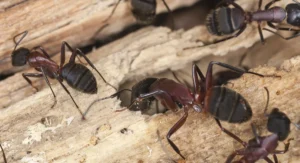
Three types of termites in the United States feed on building structures. Each one behaves differently, but all can cause serious damage if not managed properly. Here’s what you should know about each kind:
Native Subterranean
These termites live underground and need contact with soil to live. They build mud tubes to travel through the soil and find food, which is often structural wood in homes. They’re most active in the spring but can create damage throughout the year in Florida’s warm climate.
Native Subterranean termites are responsible for the most widespread termite problems in the country. Their colonies grow quickly; once inside, they can weaken wooden beams and floors without apparent signs of activity.
Drywood
Drywood termites don’t need contact with soil to survive, so they can set up colonies inside your home. They nest in attics, roof spaces, and furniture. Because they live inside wood, signs of active colonies can go unnoticed for months or years.
These termites are more common in coastal regions and are especially active during warmer months. They swarm in the summer and early fall and, once established, are harder to detect and treat.
Formosan Subterranean
Formosan termites form the largest colonies of any termite species in the U.S. and can be very destructive. Like Native Subterranean termites, they live underground but are far more aggressive.
These termites can consume wood faster, making early detection and termite protection even more critical. Regular inspections and professional termite control are strongly recommended in areas where Formosan termites are active.
Where do Termites Live?
Termites love subtropical climates. This includes Florida and other states with temperate, moisture-rich conditions that support year-round activity. In contrast, termite activity slows or stops in colder climates when the ground freezes.
Even so, each termite species has its preferred habitat, allowing for easier identification of the type you are dealing with:
- Native Subterranean – These are found in every state except Alaska
- Drywood – Common along the East Coast, Mid-Atlantic, and Gulf Coast
- Formosan Subterranean – Mainly found in New Orleans, but also parts of the Southeast, Hawaii, and Southern California
Termite protection is necessary in these regions, where the damp, moist weather supports termite expansion. Protecting your home with professional termite control can help you avoid the inconvenience, stress, and expense of termite infestations.
Need a Pest Control Estimate?
Get a FREE quote
Frequently Asked Questions
Do I need termite protection for my home in Florida?
Florida’s temperate, humid weather creates ideal conditions for multiple types of termites to thrive. Regular protection and monitoring are key, as termites are active for most of the year and sometimes go undetected for months. A proactive termite control plan helps prevent damage that can cost thousands to fix.
What types of termites are common in Florida?
Florida has three common types of termites: Native Subterranean, Drywood, and Formosan Subterranean. All three can cause significant damage, which makes termite protection a smart investment.
How do termites affect homes?
Termites damage homes by feeding on wood and other cellulose-based materials. This weakens walls, floors, and wood framing. Homeowners often don’t see the damage until it’s advanced. You might notice buckling wood, peeling paint, or windows and doors that stick. If untreated, these termite problems can lead to costly repairs.