
At Florida Pest Control, our termite treatment plans are tailored specifically for your property’s unique needs. We are proud to provide our customers with reliable termite baiting systems that work to address termite activity. This system not only helps to control active infestations but also works to prevent future termites from infesting your property.
Trusted by experts in the pest control industry, bait traps are top-tier protection for your home. Read on to learn how our termite exterminators keep you protected with this groundbreaking termite treatment!
What Are Termite Baiting Stations?
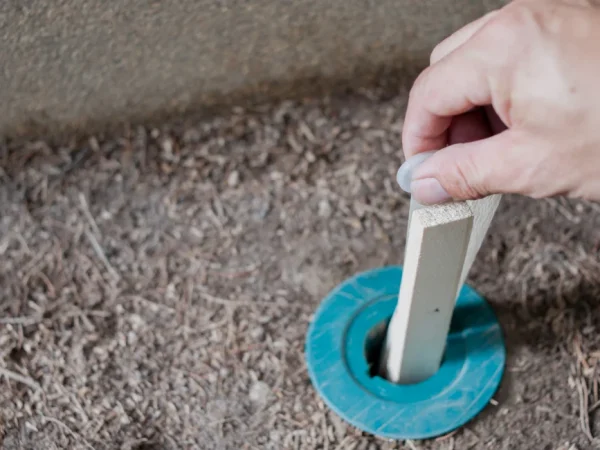
Termite bait stations are small, discreet devices placed in the ground around your property. Each station contains a bait made from cellulose (a material termites naturally feed on) combined with a slow-acting insect growth regulator. This disrupts the termites’ development, and once the bait is shared within the colony, it works to reduce and eventually stop the termite infestation.
Licensed technicians have access to commercial-strength products and are trained to know exactly where and how to place bait stations for maximum impact. They also monitor the stations over time, checking for activity and replacing bait as needed. This is especially important in Florida, where termite activity can be ongoing year-round.
Professional-grade bait systems target the entire colony from within. This makes them a strategic and long-term solution for treating and helping prevent termite activity.
Termite Baiting System vs. Traditional Treatments?
When choosing how to deal with termites, property owners often weigh the benefits of a termite baiting system against more traditional soil or wood treatments. Each has its strengths depending on the property and the severity of the infestation.
Termite Baiting Systems use slow-acting termiticide to eradicate existing colonies and protect against future infestations. They:
- target the colony at its source
- are less invasive, with no drilling or trenching required, compared to traditional treatments
- require regular monitoring by a technician
- work quietly in the background to help stop new colonies
Traditional treatments, such as liquid termiticides and fumigation, eliminate termites when they come into contact with the chemicals. They:
- include soil or wood treatments
- may involve trenching, drilling, or injecting termiticide
After inspecting your property and identifying the extent of the termite issue, a technician will recommend the best approach. The termite control experts at Florida Pest Control may recommend combining the two treatments for maximum benefit.
How do Termite Bait Stations Work?
Bait traps are monitors that are placed every 10 or so feet around the perimeter of your home. They typically consist of a cellulose material, such as wood or paper, to attract termites, and an insecticide. This type of treatment begins to work immediately. This bait will keep termites from maturing or molting, which will eventually cause them to die. A termite control expert will provide ongoing service to ensure the bait station continues to work.
Where Should Termite Bait Stations Be Placed?
Proper placement of termite bait stations is crucial to their success. A technician will install them in the soil around the perimeter of your property, usually every 10 to 20 feet. They’re also placed near areas where termites are most likely to travel, such as:
- Near wooden structures
- Close to areas with moisture, like AC units or downspouts
- Along foundation walls
- Around crawl spaces or slab edges
Spacing and location can vary depending on your property layout and termite activity in your area. Regular inspections and adjustments help keep the termite baiting system working effectively.
Need a Pest Control Estimate?
Get a FREE quoteBenefits of Termite Baiting Systems
There’s a reason why baiting is trusted by pest control companies nationwide. It is formulated to eliminate entire colonies, including the queen termite. There are many reasons why this treatment is top-tier in terms of protection against infestations:
- Non-invasive: Termite baiting and monitoring won’t change the appearance of your home since bait stations are discreetly placed around the perimeter of your home.
- Non-disruptive: Unlike some termite treatments, drilling is not required when installing bait stations.
- Peace of mind: A Florida Pest Control technician will provide routine monitoring, looking for signs of termite activity, so if a problem is discovered, it can be addressed immediately.
Ready to Protect Your Home From Termites?
When it comes to getting rid of termites and preventing them in the first place, working with an experienced termite control professionals will help to determine the best termite treatment options for the property. With our effective termite baiting systems in place, you can be confident that your home is protected against termites year-round. To learn more or get more information, contact us today!
Frequently Asked Questions
What Are Termite Baiting Systems, How Do They Work?
A termite baiting system is designed to attract termites to a bait station where they feed on specially formulated bait. Once consumed, the bait impacts the termites’ ability to grow and reproduce. Termites then bring this bait back to their nest, slowly destroying the entire colony.
Where Are Termite Bait Stations Placed, And What Are The Benefits Of Using Them For Termite Control In Florida?
Technicians install termite bait stations around the outside of your home, focusing on soil-rich areas and known termite paths. In Florida, where termites are active nearly year-round, this system can provide long-term relief and help protect your property from the damage termites can cause.
How Often Should Termite Bait Stations Be Checked and Maintained?
Termite bait stations should be checked regularly, typically every few months, by a trained technician. In Florida’s climate, where termite activity is high, consistent monitoring is key to ensuring the bait remains effective and that any termite activity is detected early. Ongoing maintenance helps ensure the system continues reducing the colony and protecting your property over time.