
Termite Identification: What Do Termites Look Like?
Knowing what termites look like can help homeowners spot the early signs of a problem. Since termites can stay hidden inside walls, floors, or wooden beams, it’s not always easy to notice them right away. That’s why understanding how to identify termites by their appearance, caste, and species can help in eliminating infestations. So, what does a termite look like?
Common Characteristics of Termites
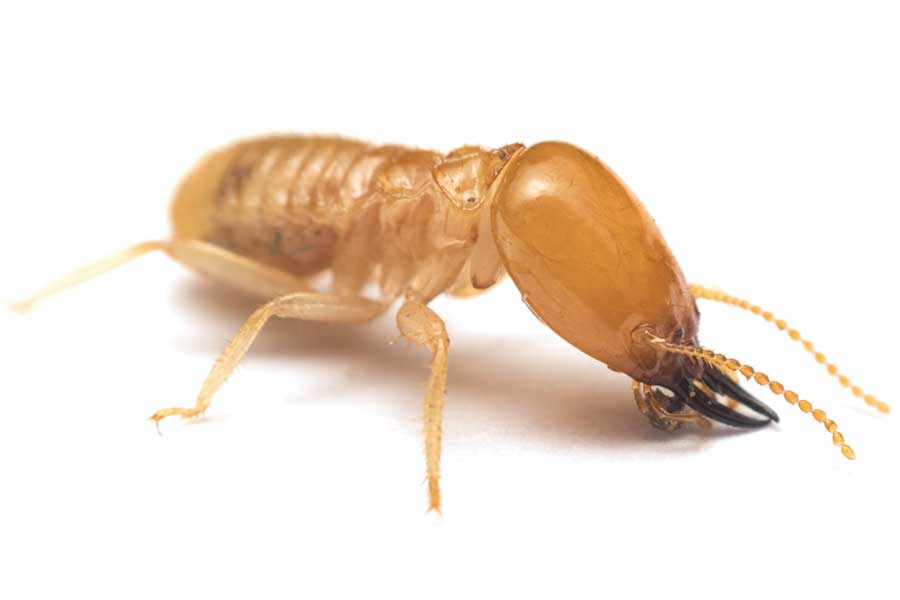
Termites are small, soft-bodied insects with six legs and straight antennae. While their exact look depends on their role in the colony and their species, there are some shared traits among the most common termites found in the U.S.
Find out which states termites can be found in with our overview, and why some states have more activity than others.
What Color Are Termites?
Different termites have different colorings, but most worker termites are pale or cream-colored, while reproductive termites may appear brown, yellowish, or even black. Termite soldiers usually have light bodies and darker heads. Since some people confuse white termites with larvae or maggots, color alone isn’t always enough for termite identification.
How Big Are Termites?
Depending on their caste and species, termites can measure from 1/8 to 1/2 inch long. Drywood termites and dampwood termites tend to be bigger, while subterranean termites are often smaller. Alates, meaning winged reproductives, are typically the largest in the colony. While small, they can still cause problems once they infest wooden structures.
Do Termites Have Wings?
Only certain termites grow wings. Swarmer termites, or alates, develop wings when they leave the colony to start new colonies. All termites begin wingless, but only the reproductive males and females grow wings when it’s time to mate. These wings are clear or slightly gray and usually longer than their body. Swarming typically happens in the spring or early summer, often triggered by warm temperatures and humidity. Once they find a place to nest, they shed their wings. Finding discarded wings indoors or on windowsills can be one of the first signs of a termite infestation.
Identifying Termites by Species
There are a few different species of termites found across Florida. Each one behaves a little differently, and their appearance can vary based on species and caste.
Subterranean Termites
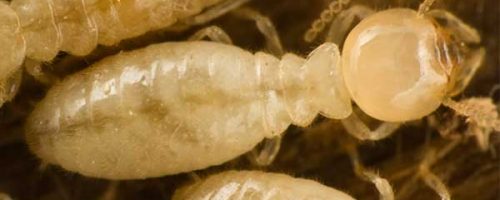
Subterranean termites are the most common type found in Florida and are found across the U.S. They build their colonies underground and travel to food sources using mud tubes. These are often pale to dark brown termites, depending on their role. Workers are light-colored, while swarming termites are dark with wings. This termite species can cause damage over time, especially to wood structures, which in turn can be costly to repair.
Formosan termites are a more aggressive type of subterranean termite. Their colonies grow fast and can include millions of termites. Workers are off-white, and alates are a yellow-brown color.

Drywood Termites
Drywood termites live inside dry wood, not soil. They range from yellowish to light brown, and their reproductives have longer, clear wings. One giveaway sign is frass, which looks like tiny wood-colored pellets and is pushed out of the nest. Because they don’t need contact with water, they can stay hidden in attics, furniture, and other dry areas.
Drywood termite colonies are smaller than subterranean ones, but they often go undetected for long periods. Over time, their feeding can weaken wood from the inside out. These termites are most common in coastal and southern regions, including much of Florida.

Dampwood Termites
Known for preferring moist wood, dampwood termites are larger than most other types. They usually have a reddish-brown or cream tint and don’t often leave the wood they infest. These termites are rarely seen inside homes unless there’s a moisture problem.
Unlike subterranean termites, dampwood termites don’t build mud tubes and don’t require soil contact, but they do need constant moisture to survive. They’re typically found in decaying logs, leaky roofs, or wooden structures with water damage. Because they’re less likely to infest dry, well-maintained homes, controlling excess moisture is the most effective way to prevent them.
Do You Have a Termite Problem? We Can Help.
Click the button below to leave your information & we'll be in touch in an hour or less.
Get a FREE quoteTermite Castes
Every termite colony is made up of three main castes: workers, soldiers, and reproductives. A caste is a group of termites with a specific function in the colony. Each plays a specific role and looks slightly different.
- Worker termites are the most numerous. They are pale, soft-bodied, and do not have wings.
- Soldiers have large mandibles and darker heads. They defend the colony from threats.
- Reproductive termites, or alates, grow wings to fly off and form new colonies. They later shed their wings.
- The queen is much larger than the others and lays thousands of eggs over her lifetime.
What Do Termite Eggs Look Like?
Termite eggs are very small, oval, and usually pale white or transparent. They’re often grouped together in large numbers and are hidden deep inside nests. The size of termite eggs is so small that they’re hard to spot without magnification. Queens lay these eggs in protected parts of the nest, where they hatch into larvae and then grow into their roles within the colony.
Bugs That Look Like Termites
It’s easy to mistake termites for other pests, especially those with a similar size or color. Knowing the differences helps avoid confusion when identifying bugs that look like termites:
- Termites vs. Flying Ants is a common comparison. While both have wings, termites have straight antennae, even-length wings, and thick waists. Flying ants, on the other hand, have bent antennae, longer front wings, and pinched waists.
- Termites vs. carpenter ants is another source of confusion. Carpenter ants are dark red or black with elbowed antennae. They also have segmented bodies, which makes their waist appear narrower than that of termites. They chew wood to create nests, not as a food source.
- Powder post beetles vs. termites can be tricky to tell apart because both can damage wood. However, powder post beetles leave behind a fine, powder-like dust and small round exit holes. Termites create mud tubes and usually stay hidden inside the wood.
Signs of a Termite Infestation
There are a few key things that can point to a termite infestation:
- Discarded termite wings near windows, doors, or light fixtures
- Thin mud tubes on the walls or the foundation
- Wood that sounds hollow when tapped
- Small piles of frass or droppings near wood surfaces
If you notice these signs of an infestation, it’s likely your property has been infested, or still is, and it’s time to get a termite inspection from a professional.
Need Help With Termites? We Can Help!
If you’re worried about termites in your home, don’t wait. DIY methods might seem like a quick fix, but they rarely get to the root of the problem. A trained technician from Florida Pest Control can perform a full termite inspection, help with termite identification, and recommend the right termite treatment for your property. Let our exterminators help you protect your home.