Types of Termites in Florida: Common Species
Florida is home to some of the most aggressive and damaging termites in the country. Knowing the common types of Florida termites can help protect your property, and spot early warning signs before Florida termites potentially lead to issues.
How Many Types of Termites Are in Florida?
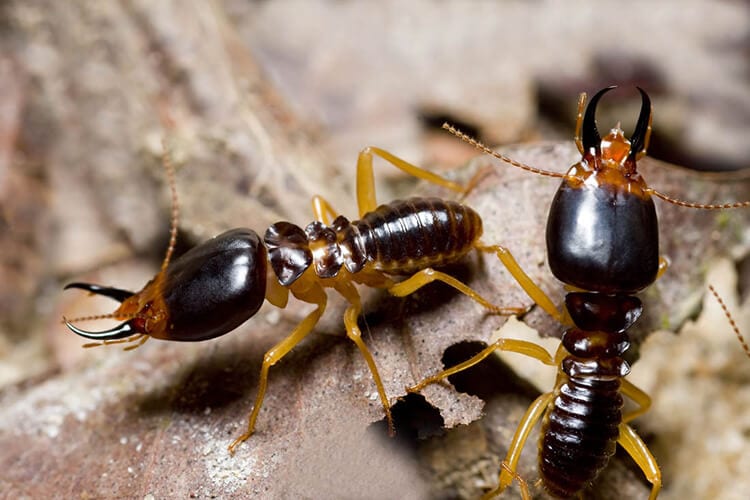
There are around 20 different types of termites in Florida that homeowners may come across. Not all of them cause damage, and many have different lifecycles, but a handful are known for infesting wooden structures and spreading quickly. The most common termites in Florida belong to three main groups: subterranean, drywood, and dampwood. ‘Tree termites’ also exist in Florida (conehead termites), which generally exist outside of these classifications. Each of these termite types has its own behavior, colony structure, and preferred habitat.
Why Florida Has High Termite Activity
Common termites in Florida are a mix of native and invasive species, and Florida’s warm, humid climate is ideal for termite survival and growth. Long summers and mild winters give Florida termites more time to infest homes, especially in southern Florida, where moisture and heat are near-constant. Because of this, termite problems can happen year-round.
Across the U.S., termite populations can vary. Find out more about where termites live across the country.
Subterranean Vs. Drywood Vs. Dampwood Termites
There are three problematic groups of termites found in Florida that property owners need to be aware of. Each with different nesting habits and needs:
- Subterranean termites need contact with soil and often build mud tubes to reach above-ground wood.
- Drywood termites in Florida can survive entirely within dry wood, without needing moisture from the soil.
- Dampwood termites in Florida prefer wood with high moisture content and are usually found in areas with water damage or poor drainage.
Knowing the differences between each of them, through proper Florida termite identification, helps you understand which type may be present and choose effective treatment.
Subterranean Termites in Florida
There are several types of Florida termites that fall under the subterranean category. Each one has its own behavior, swarm patterns, and risk level for homes.
Light Southeastern Subterranean Termites
Light Southeastern subterranean termites, part of the Reticulitermes genus, are among the most common termites in Florida. These termites build large termite colony systems underground and use shelter tubes to travel to a food source. Swarmers have a dark body and wings that help spread the colony. These termites can cause damage if not treated early.
Asian Subterranean Termites
Asian termites in Florida, known scientifically as Coptotermes gestroi, are a fast-growing threat in South Florida. These termites are similar to Formosan termites but can survive in even warmer, wetter conditions. Colonies grow quickly and can infest homes silently. They often swarm at night, and their alates (winged reproductive termites) are dark brown winged termites with long, narrow wings, which are a key sign of a growing problem.
Formosan Subterranean Termites
Formosan termites, or Coptotermes formosanus, are one of the most aggressive termite species in the state. Their colonies can number in the millions, and they’re known for building carton nests inside walls. This species, yellowish in color, can spread rapidly and can cause termite damage.
Other subterranean termites found in Florida include the Cuban subterranean termite (Prorhinotermes) and the West Indian subterranean termite (Heterotermes). So, there are plenty of termites to look out for.
Drywood Termites in Florida
Florida is also home to several types of drywood termites that can cause serious problems for homeowners. Here’s a look at the most well-known species and what signs of termites to watch for.
West Indian Drywood Termites
The West Indian drywood termite, Cryptotermes cavifrons, can be a particular concern in coastal areas. These termites live inside the wood they eat, making them harder to detect. Unlike subterranean termites in Florida, they don’t need contact with soil. This drywood termite species is known for leaving behind small piles of frass (droppings that look like sawdust or sand) near infested areas. Other species include the Western drywood termite (Incisitermes).
Signs Of Drywood Termites
Drywood termites are secretive, but there are signs to watch for. Small holes in wood, faint tapping noises, and droppings are key indicators. The droppings often look like tiny, ridged pellets and are found beneath exit holes. Because these termites live entirely within the wood, damage can go unnoticed until it becomes severe.
Dampwood Termites in Florida
Florida is also home to dampwood termites, which tend to show up in areas with high moisture. Below are the main species found in the state and how to help keep them away.

Florida Dampwood Termites
The Florida dampwood termite, Neotermes castaneus, prefers moist environments. These dampwood termites usually appear around leaky pipes, crawl spaces, or areas with frequent water exposure. They’re larger than drywood and subterranean types and tend to avoid dry wood or soil contact. This termite species is less common in homes but can be found near natural wood sources.
Preventing Dampwood Termites
To help prevent dampwood termites, reduce moisture around your home. Fix plumbing leaks and avoid wood-to-soil contact. Since they rely on damp wood, keeping your home dry is key. While these termites are less aggressive, an untreated termite infestation can still spread. Professional pest control services can provide long-lasting protection.
Do You Have a Termite Problem? We Can Help.
Click the button below to leave your information & we'll be in touch in an hour or less.
Get a FREE quoteFlorida Termite Droppings
If you’re wondering what kind of termite you’re dealing with in Florida, termite droppings, or frass, can tell you a lot about the type of termite in your home. Drywood termites produce dry, pellet-like frass that gathers below infested wood and has the appearance of sawdust or sand. Subterranean types don’t leave visible droppings, so spotting frass can point to drywood termites.
You may find droppings in window sills, furniture joints, or near baseboards. If you’re not sure what you’re seeing, a Florida Pest Control technician can help provide accurate termite identification and advise on next steps.
Need Help With Termites? We Can Help!
Whether you’ve seen termite droppings, mud tubes, or flying swarmers, it’s important to act quickly. DIY solutions may seem convenient, but they rarely address the root of the issue. For long-term results, trust our experienced technicians to help.
We offer pest control services that can help reduce and manage termite infestation risks. From accurate Florida termite identification to professional treatments, we’re here to help protect your home from the damage these pests can cause.