
Quick Comparison: Ticks vs. Bed Bugs
- Ticks have eight legs and are arachnids; bed bugs have six legs and are insects.
- Both are oval and brown, but ticks swell dramatically after feeding while bed bugs turn darker red.
- Ticks live outdoors in grass and woodland; bed bugs are strictly indoor pests found near sleeping areas.
- Ticks can transmit serious diseases including Lyme disease; bed bugs cause discomfort but don’t spread illness.
- Tick activity peaks in warmer months; bed bugs are active year-round and don’t follow a seasonal pattern.
- Bed bugs travel via luggage and furniture; ticks hitch a ride on people and pets from outside.
The Difference Between Ticks and Bed Bugs
While ticks and bed bugs can look similar at first glance, they behave very differently—and so does the threat they pose. Here’s a closer look at each pest so you can tell them apart and know what action to take.
Ticks
Bed Bugs
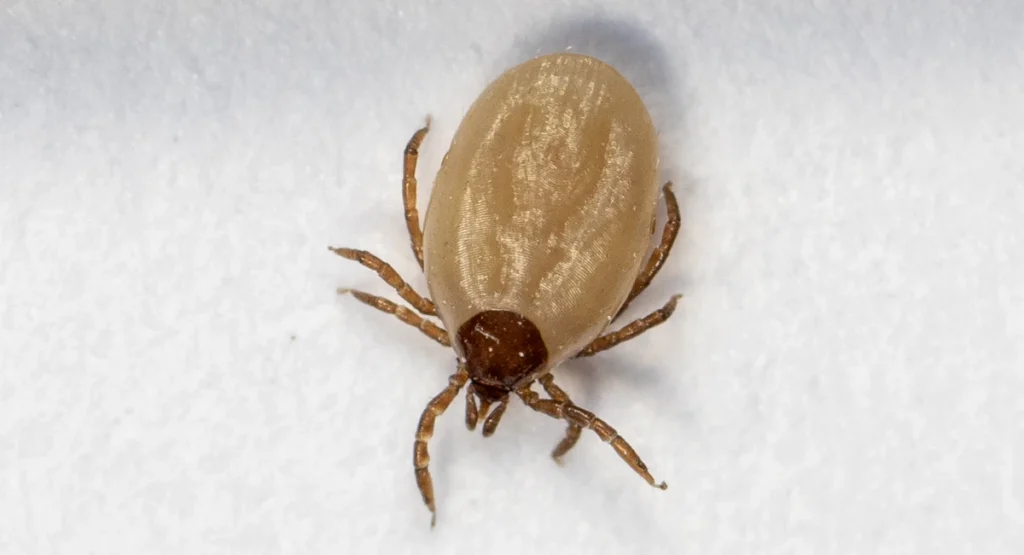

Ticks are outdoor parasites that attach to passing hosts and feed on blood, often going unnoticed for hours.
Bed bugs are indoor pests that hide close to sleeping areas and feed on human blood during the night.
Appearance:
Ticks Appearance:
Small, flat, and oval with eight legs; swell noticeably in size after a blood meal.
Appearance:
Bed Bugs Appearance:
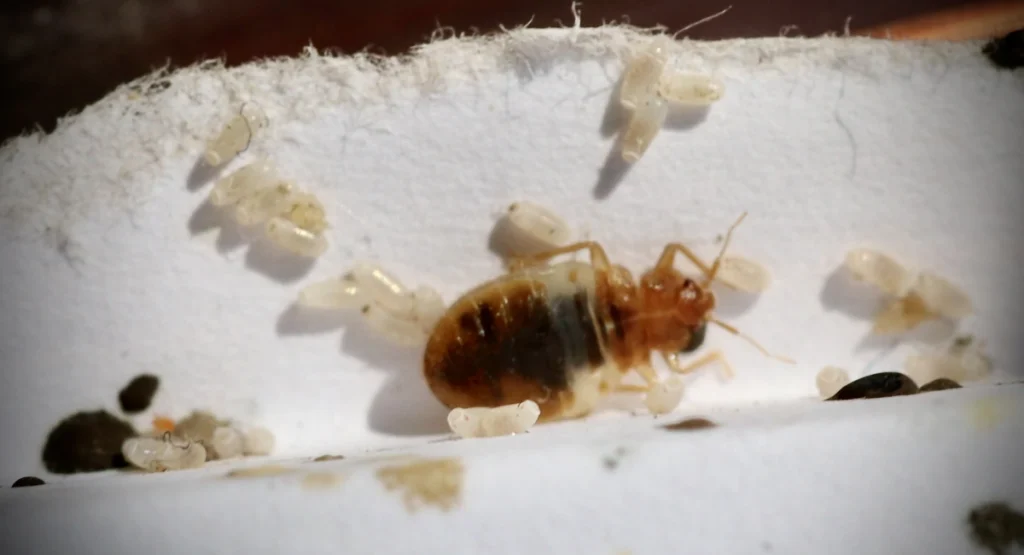
Small, flat, and reddish-brown with six legs; darken and swell slightly after feeding.
Habitat:
Ticks Habitat:
Tall grass, leaf litter, wooded areas, and anywhere deer, rodents, or birds are present.
Habitat:
Bed Bugs Habitat:
Mattress seams, bed frames, furniture crevices, baseboards, and behind loose wallpaper indoors.
Behavior:
Ticks Behavior:
Lie in wait on vegetation and latch onto hosts that brush past, staying attached to feed.
Behavior:
Bed Bugs Behavior:
Nocturnal feeders that emerge at night, bite exposed skin, then retreat to nearby hiding spots.
Risks:
Ticks Risks:
Can transmit Lyme disease, Rocky Mountain spotted fever, tularemia, and other serious illnesses.
Risks:
Bed Bugs Risks:
Bites cause itching, redness, and sleep disruption; infestations spread quickly if left untreated.
Worried About Pests? We Are One Call Away.
Book your free inspection to get expert, local advice.Signs of an Infestation
Although both pests have similar appearances and an attraction for blood, the signs of an infestation are very different for each.
Signs of Ticks
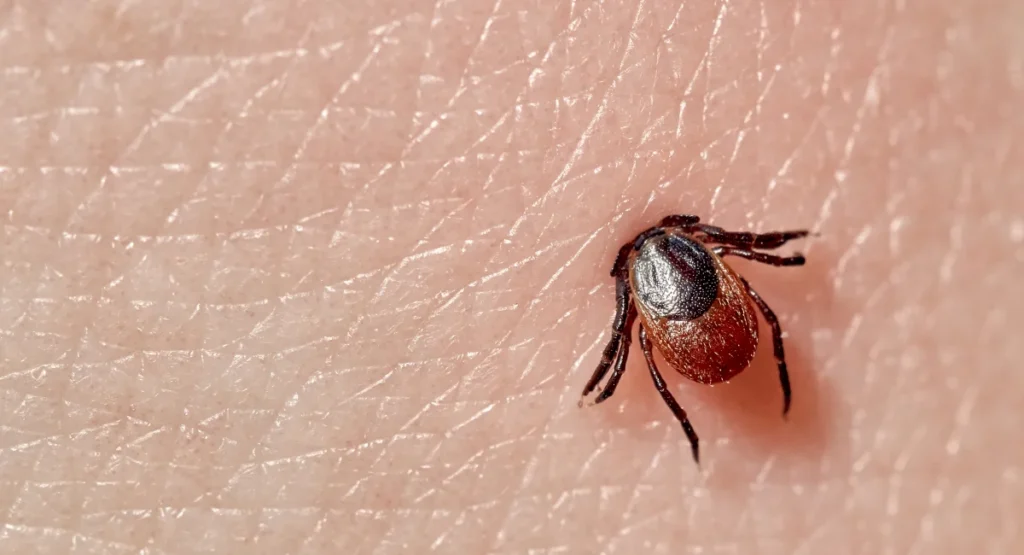
With ticks, the clearest sign is finding one attached to a person or pet after time spent outdoors. Check skin folds, hairlines, and behind ears. Pets should be inspected around the ears, neck, and underbelly after every outdoor outing.
Signs of Bed Bugs
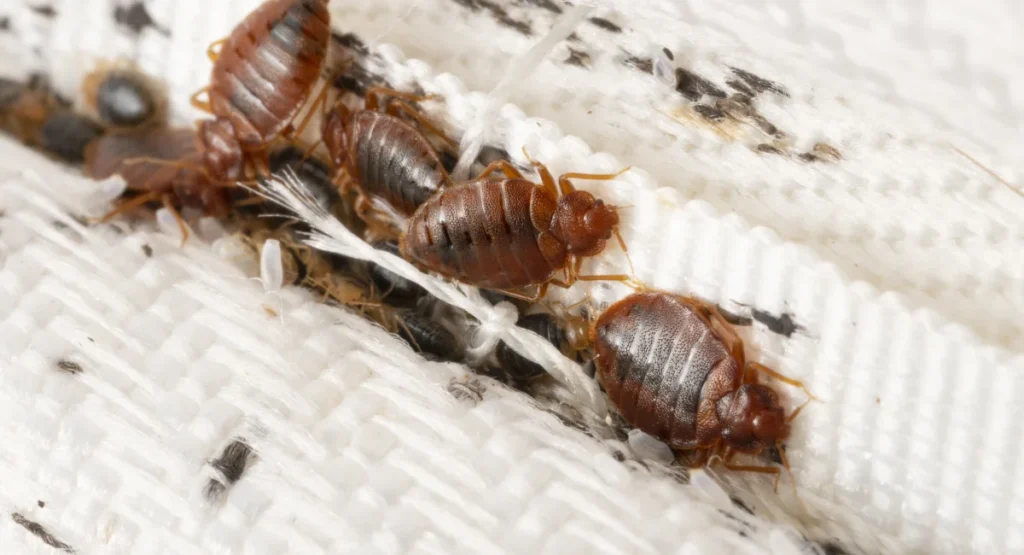
Bed bug infestations are harder to spot. Look for small rust-colored stains on bedding, tiny white eggs along mattress seams, shed skins near hiding spots, or a faint musty odor in the bedroom. Bite marks in lines or clusters on exposed skin are another common indicator.
Prevention Tips
To reduce tick exposure, keep lawns trimmed, clear leaf piles, and wear long sleeves and pants in wooded or grassy areas. Check yourself, your children, and your pets thoroughly after time outside.
For bed bugs, inspect hotel rooms before settling in, keep luggage off the floor, and check secondhand furniture carefully before bringing it home. After travel, wash and dry clothing on high heat. If you suspect an infestation, contact a pest professional promptly—bed bugs don’t go away on their own.
Frequently Asked Questions
Can You Confuse a Tick With a Bed Bug?
Yes, and it happens more often than you’d think. Both are small, flat, oval, and brownish, which makes them easy to mix up at a glance. The key differences are leg count (ticks have eight, bed bugs have six) and where you find them. Ticks turn up on skin and clothing after outdoor activity; bed bugs are found around beds and furniture indoors.
Which Pest Causes More Damage?
In terms of health risk, ticks are more dangerous of the two. They can transmit serious diseases (including Lyme disease and Rocky Mountain spotted fever)that require medical treatment if left unaddressed. Bed bugs don’t spread disease, but a large infestation can cause significant stress, sleep disruption, and property damage, and they’re notoriously difficult to eliminate without professional help.
How Do You Manage and Prevent Ticks and Bed Bugs?
The two pests call for different approaches. Tick management focuses on outdoor environments such as treating yard perimeters, keeping vegetation trimmed, and using repellents when in high-risk areas. Bed bug management is an indoor job, typically requiring professional heat treatment or targeted chemical application. For both pests, early detection and prompt action are the most important factors in keeping an infestation under control.
What Are the Best DIY Prevention Tips for Homeowners?
For ticks, mow regularly, clear debris from yard edges, and check everyone after time outdoors—including pets. For bed bugs, inspect mattress seams and bed frames periodically, vacuum frequently, and be cautious with secondhand furniture. When traveling, check hotel bedding on arrival and keep luggage elevated. These steps won’t guarantee protection, but they significantly reduce your risk.
When Should You Call a Pest Professional?
If you’re finding ticks repeatedly indoors or on pets after every outing, a yard treatment may be needed. With bed bugs, professional help is almost always the right call, as DIY treatments rarely address the full extent of an infestation. The sooner you act, the easier and less costly the problem is to resolve. Don’t wait to see if it clears up on its own.
Tick Control
Protect your family and pets from tick-borne illness with our expert yard treatments and targeted barrier solutions that keep tick populations under control season-round.
Bed Bug Control
Our professional bed bug treatments target infestations at the source, eliminating hiding populations and putting measures in place to stop them from coming back.