

It can start quietly.
You hear a faint scratching above the ceiling. You see a chewed food package or small droppings under your kitchen sink. These are signs that you have a growing rodent problem. As a Florida homeowner, understanding rodent season makes it easier for you to act before mice or rats settle in.
Rodents are active year-round because Florida’s climate stays relatively warm. But activity increases in the fall and winter, when cooler nights encourage mice and rats to search for suitable, secure nesting sites, often inside buildings.
What Is Rodent Season?
Rodent season is when mice, rats, and squirrels are more likely to move from outdoor areas into homes and other structures. This doesn’t mean they disappear for the rest of the year; it simply reflects seasonal changes in their behavior.
In many parts of the U.S., outdoor temperatures tend to drop in the fall. Even though Florida doesn’t have severe winters, the NPMA confirms that cooler evenings play a key role in increasing rodent invasions over this period.
Peak activity may also occur when:
- Rain saturates outdoor burrows and hiding places
- Fallen fruit or unsecured trash provides easy food
- Dense landscaping touches the home
- Construction removes or disturbs existing rodent habitat
- HVAC, plumbing, and utility openings create accessible pathways indoors
Why Do Rats and Mice Enter Homes in Cooler Weather?
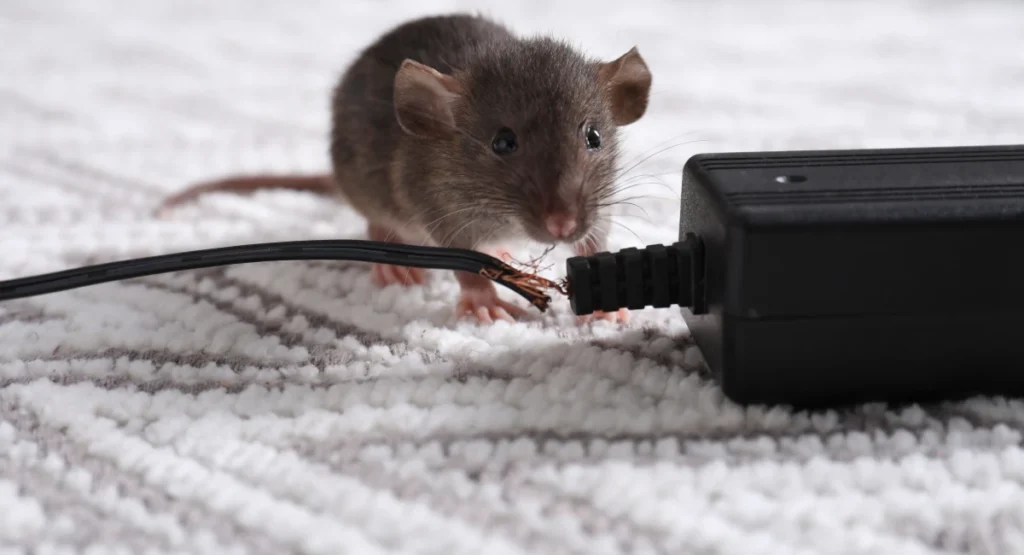
Rats and mice do not need an invitation; they need an opening. Insulated and heated buildings provide welcome warmth and stability. Both can fit through surprisingly small openings, sometimes gnawing through baseboards and drywall to enlarge openings.
Common entry points include gaps around:
- Exterior doors and garage doors
- Pipes, cables, and utility lines
- Dryer vents and roof vents
- Damaged screens and window frames
- Foundation cracks and crawl-space openings
- Rooflines, soffits, and attic vents
Inspect these areas before rodents begin searching for shelter. Prevention is usually simpler than responding after rodents establish a nest.
What Problems Can Rodents Cause in a Home?
Mice and rats are usually nocturnal. If you spot them in the daytime, it’s a sign that you may have a wider issue.
Rodents may contaminate food and food-preparation surfaces with urine, droppings, and fur. They can chew through packaging, insulation, wood, plastic, and electrical wiring. Damaged wiring can cause blackouts and even lead to fires.
Rodents can:
- Bring parasites into your home, including fleas, ticks, and mites.
- Spread serious diseases, including hantavirus disease, leptospirosis, salmonellosis, and lymphocytic choriomeningitis, also called LCMV.

How Can Homeowners Prevent Rodents?
Rodent prevention starts with blocking access and removing easy sources of food, water, and shelter. These steps support Integrated Pest Management (IPM), which combines inspection, prevention, monitoring, and targeted control to address why pests are there—not just treat an infestation.
Make your home less inviting with these practical steps:
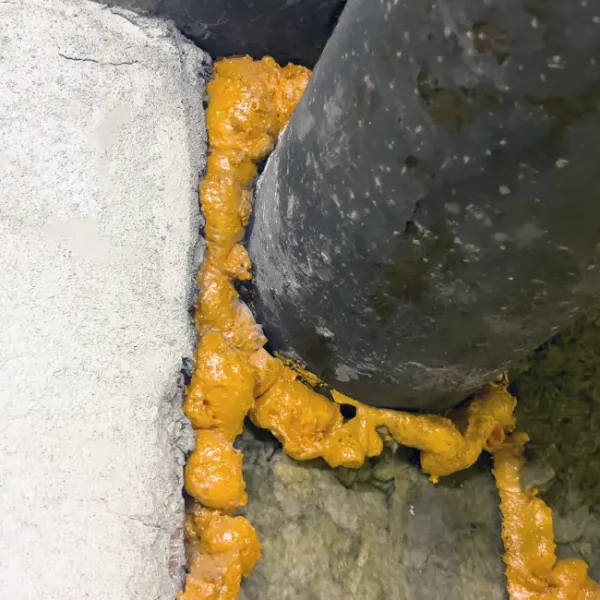
- Seal entry points: Check foundations, pipes, rooflines, and doors for cracks or gaps. Use durable, weather-resistant materials and rodent-resistant mesh where appropriate.
- Secure doors: Install door sweeps, repair damaged weatherstripping, and ensure your garage door closes tightly.
- Store food safely: Keep dry foods in tightly sealed containers and avoid leaving pet food out overnight.
- Clear food debris: Clean crumbs, spills, and grease promptly, including under appliances and behind furniture.
- Manage rubbish and leaks: Keep garbage containers closed, empty them regularly, and repair leaking faucets, pipes, and outdoor spigots.
Act before rodent season to reduce the appeal of your home.
Manage Outdoor Harborage Areas
Harborage means the protected places where pests hide, rest, or nest. Overgrown vegetation, clutter, stacked materials, and dense ground cover can provide rodent harborage near a home.
- Trim tree branches and shrubs away from exterior walls and rooflines.
- Keep firewood elevated and store it away from the house.
- Remove unnecessary clutter from sheds, patios, and garages.
- Collect fallen fruit regularly.
Fallen fruit may seem harmless, but it creates a dependable food source for rodents and other pests.
Protect Your Home Before Rodents Settle in
Scratching sounds, gnaw marks, and droppings are clear warnings that rodents have breached your walls or attic. Don’t wait for pests to settle in and cause extensive damage. Partnering with a professional rodent exterminator like Florida Pest Control ensures proven removal and long-term protection backed by over 75 years of experience. Contact us today to schedule your free inspection.
Frequently Asked Questions
When Is Rodent Season in Florida?
Rodent season usually increases during fall and winter, when cooler nights encourage rats and mice to seek indoor shelter. But in Florida, rodents are active year-round.
Can Rats and Mice Enter a Clean Home?
Yes. Clean homes can still have gaps, moisture, nesting areas, or accessible food. Good sanitation reduces attraction, but exclusion is essential for keeping rodents out.
Are Rodents More Active at Night?
Yes. Rats and mice are most active at night. You may hear movement in your attics, walls, or ceilings after dark.
What’s the Best Way to Prevent Rodents?
Seal entry points, remove food and water sources, reduce outdoor harborage, monitor for signs, and contact a Pest Control Professional when activity continues.