Florida Pest Answers
"I want to spend more time outside in my yard without worrying about being stung. What’s the best plant to keep bees and wasps away?"
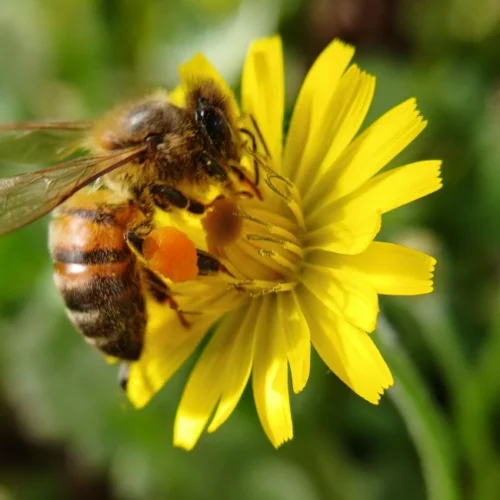
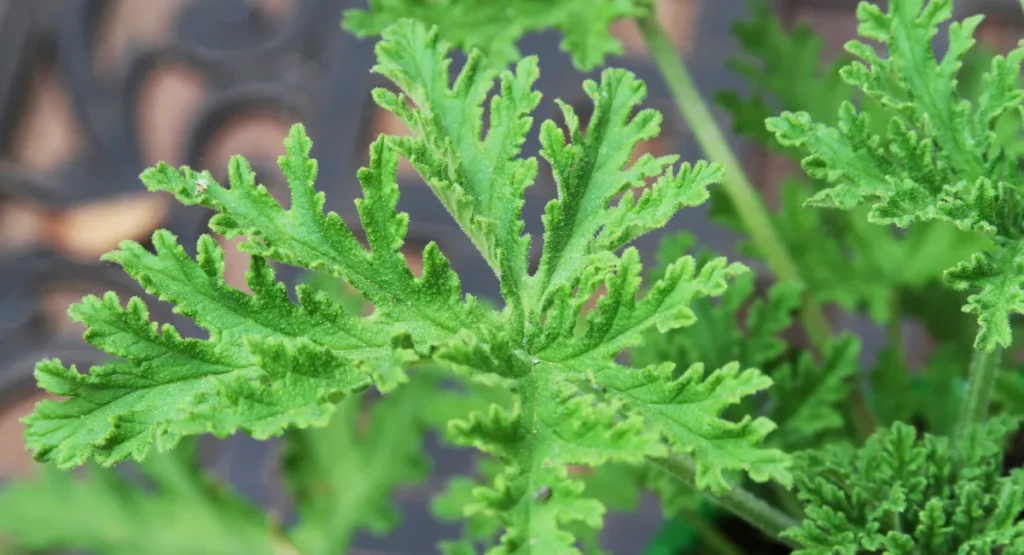
If you’re looking for plants that repel bees and wasps, there are some good options to try. Citronella, eucalyptus, mint, and wormwood all produce essential oils with strong scents that they dislike. Lemongrass and pennyroyal are also known to keep certain stinging insects at bay. They are exposed to the repellent oils when they brush against the plant leaves, or when the leaves are heated by the sun, so their effectiveness depends on where and how they’re planted. You might see basil recommended online too, but this herb actually attracts bees and wasps rather than repels them, and therefore it is best kept away from seating areas.
These plants do have their limits, however. In Florida’s climate, bees and wasps are active year-round, and a few potted herbs may not be enough to completely eliminate the threat from a nearby nest, particularly in a flowering garden or when food and drinks are left out. Clustering them around doorways, patios, and dining areas gives you the best chance of noticing a difference, but what plants repel wasps and bees entirely? There isn’t really one single plant that will do the job on its own.
That said, they are definitely worth including as part of your outdoor setup. Think of them as an extra layer rather than a permanent fix. If you’re regularly noticing wasps around your eaves, deck, or yard, there may be a nest nearby that’s worth looking into.
Professional Bee and Wasp Removal
In extreme cases, when colonies keep returning, or aggressive species are nesting in your yard, bee, wasp and hornet professional intervention is recommended to prevent bee or wasp attacks that can trigger anaphylaxis or other severe allergic reactions.