Florida Pest Answers
"Why Do Bees Die After Stinging—and Does It Happen to All Bees?"
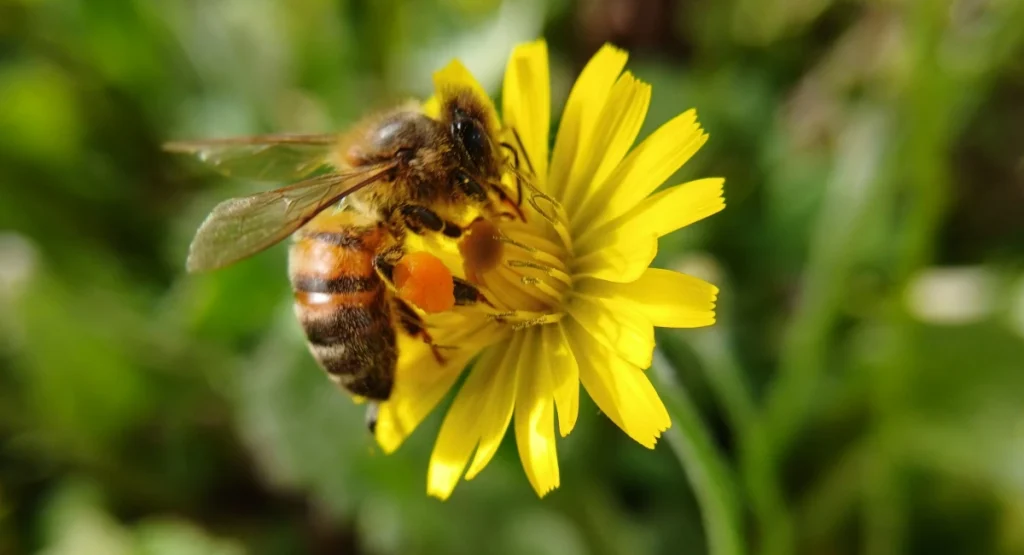
It’s one of nature’s more surprising trade-offs. And it’s one of the most frequent questions: do bees die after they sting? For honey bees, the answer is yes, but the reason isn’t quite as simple as most people think. A honey bee’s stinger is barbed, almost like a tiny fishhook. When it pierces the thick, elastic skin of a human or other mammal, those barbs lock it in place. When the bee tries to fly away, the stinger stays behind—and with it goes part of the bee’s abdomen, digestive tract, and nervous system. That kind of damage is fatal, and the bee dies shortly after.
So why do bees die after stinging if it’s such a costly outcome? The answer lies in how the stinger evolved. Those barbs were originally an advantage in combat with other insects—they made it easier for bees to penetrate the hard exoskeletons of rival colonies or attacking wasps. Against mammals, though, the same barbs work against them. Here’s the thing: worker bees are sterile females, so they can’t pass on their own genes regardless. Their role is to protect the queen and the colony, and that’s exactly what they’re doing. The stinger left behind doesn’t just sit there either—the venom sac stays attached and keeps pumping toxins into the skin, delivering multiple doses from a single sting. It’s a sacrifice, but not a wasted one.
Do bees die if they sting on every occasion? Not necessarily—it depends on the species. Bumblebees and carpenter bees have smooth stingers without barbs, which means they can sting multiple times and walk (or fly) away just fine. Queen honey bees also have smoother stingers and can sting repeatedly. It’s really the worker honey bee that faces this one-sting fate, and only when stinging thick-skinned mammals. If it’s stinging another insect, a honey bee can pull its stinger free and survive.
Bees are remarkable creatures, and understanding their behaviour can help you avoid unnecessary encounters. If you’re dealing with a bee or wasp problem around your home, Florida Pest Control can help to safely identify, manage, and remove nests before the situation becomes a stinging one.