Florida Pest Answers
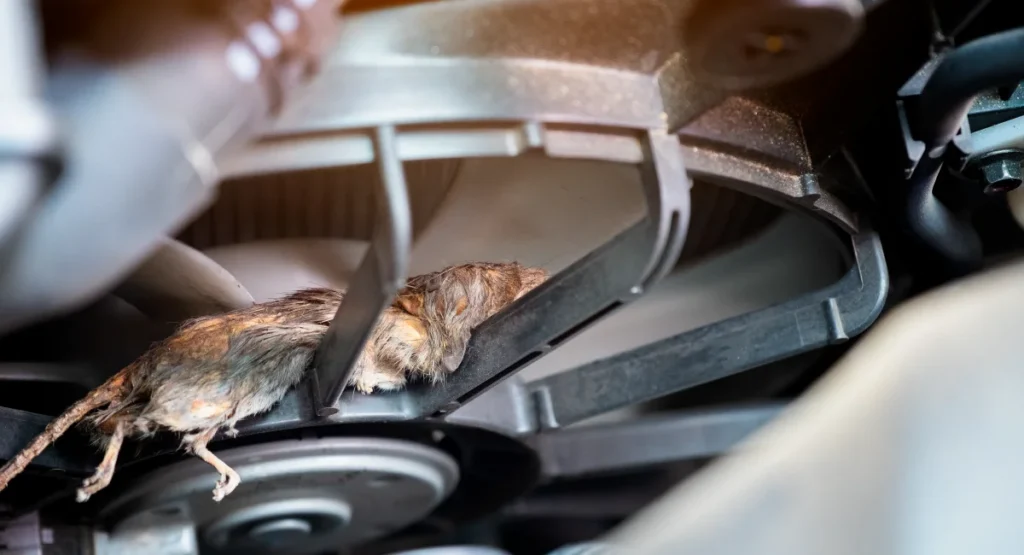
"I turned the ignition key and nothing happened. I looked under the hood and I saw gnawed wires. How did it happen and how do I stop it in future?"
Knowing how to stop rodents chewing car wires comes down to protecting sensitive engine components and eliminating nearby attractants. Rats and mice gnaw on wiring harnesses to grind down their constantly growing teeth and build warm nests. To stop them immediately, wrap exposed wiring in capsaicin-infused tape, apply specialized rodent repellents inside the engine bay, and clear all food or trash away from your parking area.
Why Do Pests Target Vehicles?
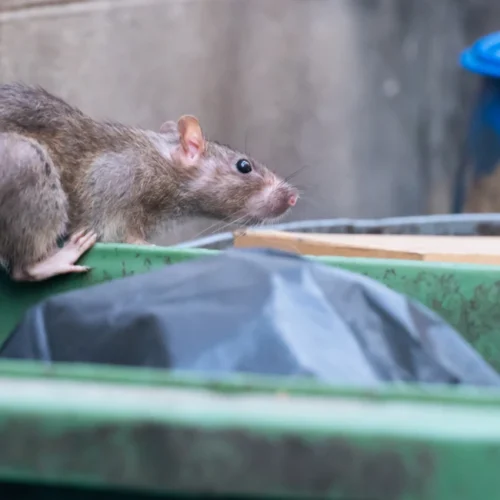
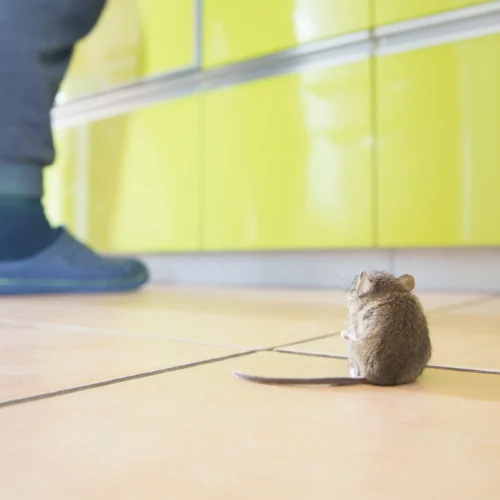
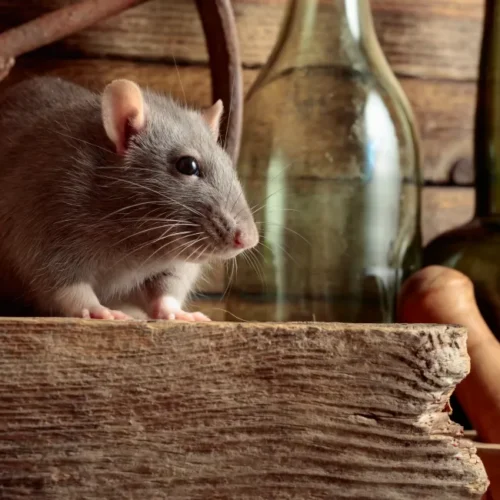
To an invading mouse or rat, a recently parked engine compartment resembles a warm, secluded cave safe from outdoor predators. But why do rodents chew wires instead of just resting? Many modern vehicle manufacturers use soy-based wire insulation, which actively attracts rodents looking for food and soft nesting material. Additionally gnawing on plastic wiring harnesses, hoses, and soft insulation acts like a nail file, grinding those sharp teeth down to a manageable size.
Catching early evidence of rodents chewing on car wires prevents severe electrical failures and expensive roadside breakdowns. Always watch for shredded hood insulation, loose droppings, pungent smells, and flickering dashboard warning lights before taking corrective action.
Actionable Vehicle Protection Steps
Clean garages thoroughly by removing pet food, birdseed, and discarded cardboard.
- Seal structural wall gaps larger than a dime using stainless steel mesh.
- Drive or start stored vehicles regularly to disrupt quiet nesting attempts.
- Wrap exposed wire bundles with durable tape or rodent-resistant split loom.
Health Hazards and Expert Solutions
Beyond mechanical headaches, rodents introduce serious biological risks. Nesting debris and contaminated droppings can spread dangerous illnesses like hantavirus, leptospirosis, and salmonellosis.
Preventing severe rodent damage to car wiring requires consistent perimeter defense. Professional pest specialists assess exterior entry points and eliminate nests before critters ever reach engine bays. For persistent infestations around Florida homes and commercial parking lots, consult our rodent exterminators for a free inspection and tailored control plan.