
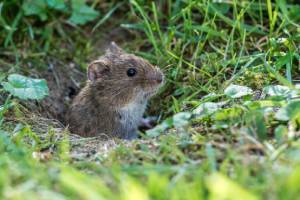
 If you’ve seen small, rotund, mouse-like animals living in your yard, you’re dealing with a vole infestation. So if it’s not a mouse, what is a vole?
Voles also called meadow mice or field mice, are rodents just like rats and mice, but will not look to the internal structures of your home for shelter during the winter. Instead, voles burrow in our yards, causing destruction to our lawn and plants, costing us a lot of money in repairs, and potentially spreading dangerous diseases. These little rodents are one of many nuisance wildlife in Florida.
It’s best to get ahead of vole problems in Florida before they get out of hand and expose the people around you to health risks. Read on to learn more about voles from Florida Pest Control.
Do Voles Pose a Threat to Humans?
Voles aren’t dangerous in the direct sense of aggression. Although they can bite, voles are timid creatures who very rarely bite. However, the dangers that they do pose come through the trouble that they can cause in your yard.
Voles living in your yard will burrow underneath your lawn and garden and stifle or entirely destroy plant growth, depending on how many there are and how long you let them stick around. Their feces and urine are also potential harborers of dangerous diseases and parasites that can affect your pets as well as your family.
Voles can also bring in other pests, like parasites, that may spread diseases. Using the right pest control methods, such as tree guards, bait stations, and repellents, can help keep vole populations under control and stop problems before they get worse.
If you’re dealing with a vole problem, Florida Pest Control can help. Contact us today for expert solutions.
Are Voles Poisonous or Venomous?
Voles are not poisonous or venomous, meaning they don’t inject toxins or cause harm through poison. However, they can still cause trouble by gnawing on young trees, garden plants, and grassy areas.
Their tunnels can weaken the ground, making it harder for plants to grow. If left alone, a vole problem can get worse over time.
Risk of Bites and Direct Contact
Voles are not aggressive, but they may bite if they feel trapped. Their sharp teeth help them gnaw through plants and tree bark.
While vole bites are rare, they can cause infections if not cleaned properly. Since voles spend most of their time underground in their burrow system, they don’t come into contact with people very often.
Diseases Carried by Voles
Voles can carry diseases that spread through their urine, feces, or saliva. One serious disease is tularemia, which can cause fever, swollen glands, and other health problems. People can get sick if they touch an infected vole or come into contact with contaminated water, soil, or plants.
Because voles dig tunnels and move through grassy areas, they can spread germs without direct contact
People can get sick if they touch an infected vole or come into contact with contaminated water or soil. Keeping vole populations under control can lower the risk of disease.
Parasites Found on Voles
Voles often carry parasites like fleas, mites, and ticks, which can spread to people and pets. These parasites may cause skin irritation, allergic reactions, or even serious illnesses. Since voles live in grassy areas and dig tunnels underground, they can easily pick up and spread these pests throughout your yard.
If you notice signs of vole activity, such as small runways in the grass or damaged plants, it’s important to take action quickly.
Florida Pest Control’s wildlife removal services help protect your lawn, garden, and home from vole damage.
Need a Pest Control Estimate?
Get a FREE quoteAre Voles Dangerous to Cats & Dogs?
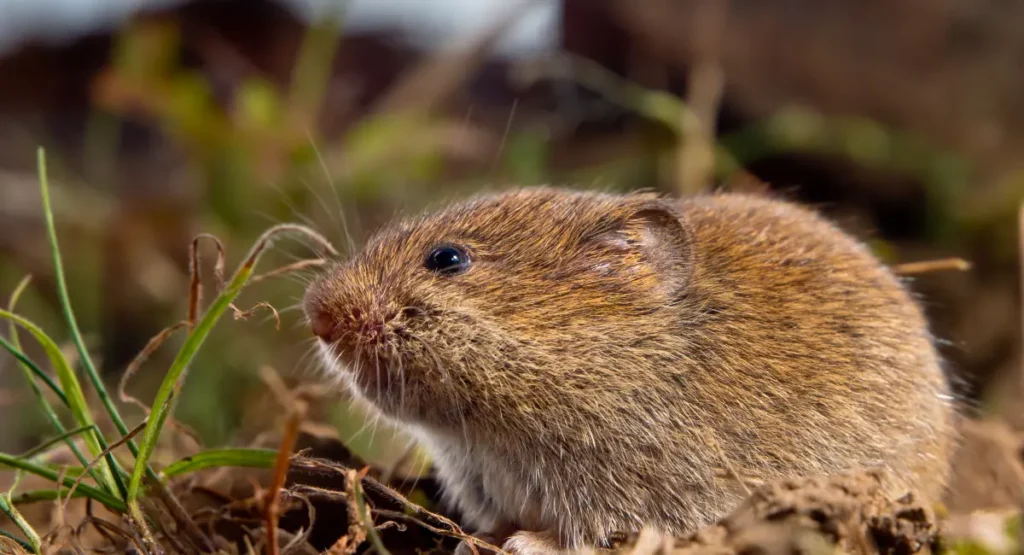
Voles may not seem like a big threat to pets, but they can still cause problems. These small rodents dig tunnels and hide under ground cover, making them hard for pets to catch.
While voles don’t attack animals, they can carry diseases and parasites that put your pets at risk.
Potential for Disease Transmission
Voles may be small, but they can spread dangerous bacteria and viruses to your pets. These rodents carry germs in their urine, feces, and saliva. If your pet sniffs, steps on, or eats anything contaminated, they could become sick.
One serious disease that voles can spread is tularemia. This illness can cause your pet to have a fever, lose their appetite, and develop swollen glands. Keeping voles under control is important to protect your pets from these health risks.
Risk of Parasite Infestation in Pets
Voles don’t just carry diseases—they can also spread harmful parasites like fleas, mites, and ticks to your pets. These pests can easily transfer to your cats or dogs, causing itching, skin infections, and even serious illnesses like Lyme disease.
These pests also love to spend time in grassy areas and burrows, which means they pick up and spread these parasites throughout your yard.
Do Voles Cause Damage?
Voles may be small, but they can cause big problems in your yard. Unlike moles, who aren’t as destructive to plants and vegetation, these little rodents can wreak havoc on your lawn and garden. You can learn the difference between voles and moles in our article: moles vs voles.
Here’s how voles can cause damage to your outdoor space:
Burrowing and Lawn Damage
Voles are really good at digging tunnels just beneath the surface of your lawn, and while they may be small, their digging can quickly cause big problems. As they burrow, they create holes that make the ground uneven, which can be a tripping hazard and make your lawn look messy.
Over time, all this tunneling can damage your grass, leaving bald spots where the grass won’t grow. These bare areas can make your once lush, healthy lawn look patchy and unkempt.
Gnawing on Tree Roots and Plants
Voles love to gnaw on the roots of trees, bulbs, and tubers. This can be very harmful to your young trees and plants, stopping them from growing properly. If the damage isn’t dealt with, it can kill your plants.
Yard and Landscape Destruction
These pests also chew on plants, shrubs, roots, and flowers, which can cause serious damage to your landscape. Their tunneling also disturbs the soil around your plants, making it harder for them to grow and thrive – ruining any hard work you’ve put into your yard.
Signs of a Vole Infestation
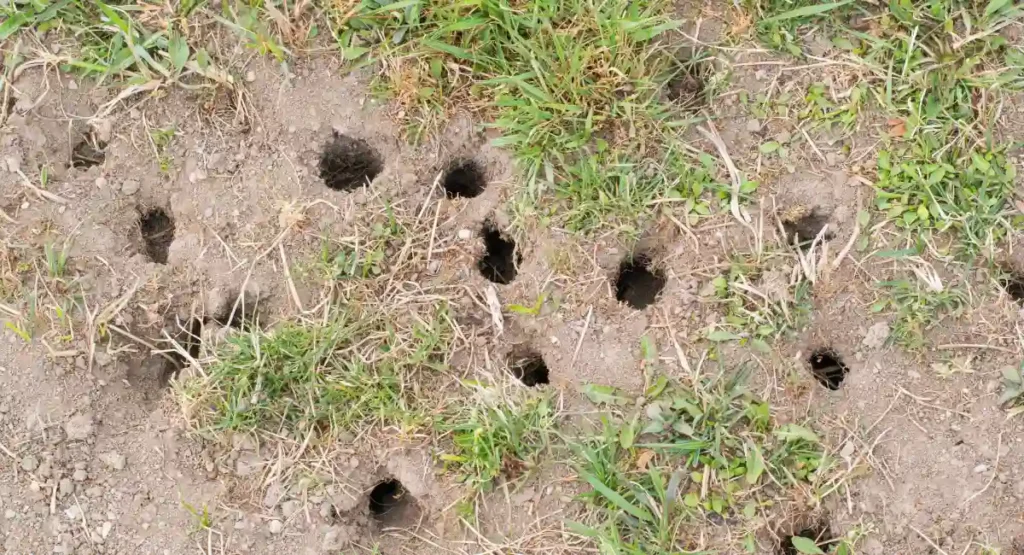
Voles can cause a lot of damage before you even notice them. Here are some common signs:
Visible Tunnels and Runways in Your Lawn
One of the easiest ways to spot a vole infestation is by looking for tunnels and runways in your lawn. These small, shallow paths are created by voles as they dig their tunnels just beneath the grass. Voles are always on the move, searching for food, and their tunnels act like highways, helping them travel quickly through your yard.
If you start seeing these tracks, especially in the grass or along the edges of your garden, it’s a strong sign that voles are active in your area. The more noticeable the runways, the larger the infestation could be.
Chewed Tree Bark and Plant Stems
Voles love to gnaw on tree bark, plant stems, and roots. If you notice chewed marks on the bark of young trees or damage to the stems of your plants, this could be a sign of a vole infestation.
These pests often target young trees and plants, which can be severely damaged or even killed by their chewing.
Droppings and Disturbed Soil
Voles often leave behind small droppings near their burrows and runways. These dark, pellet-like droppings are a clear sign that voles are present in your yard.
You may also notice that the soil around your plants looks disturbed or dug up – that’s because voles dig and burrow to find food, creating small holes or mounds of dirt as they search for roots, bulbs, and tubers.
If your yard soil looks like it’s been recently moved or turned over, that’s a sign that voles are active in the area. Don’t let these pests continue to damage your yard— Florida Pest Control safely removes voles and other nuisance wildlife.
How to Protect Your Home and Yard from Voles
Voles may be small, but they can cause big problems in your yard and garden. Taking the right steps can help keep these burrowing rodents away and prevent damage to your lawn, plants, and young trees.
Preventive Measures
To avoid the risks associated with a vole infestation, there are a number of steps you can take. Here are some easy actions you can complete on your own:
- Get rid of their food source: Voles eat a wide variety of grasses, plants, tubers, and bulbs. Although you won’t be able to get rid of all eligible food in your yard, you can set up fences or netting to protect plants in your garden that could be attracting them.
- Keep your yard tidy: This could help to clear out voles that are using your compost pile or unkempt plant growth for food sources. Barriers like wire mesh or underground fencing can block access, but they need to be installed correctly to be effective.
- Call a professional critter control company: Your problem will be best assessed by an expert with experience getting rid of burrowing rodents in Florida. They will be able to select the best vole removal strategy for your yard.
Natural and Physical Deterrents
There are some natural ways to try and keep voles away, but they don’t always work as well as professional pest control. Natural repellents may help for a short time, but voles often get used to them.
However, for a small infestation you can try putting coffee grounds, pet waste, fragrant essential oils, fish scraps, or other pungent materials into the holes voles have dug in your yard can drive them away. Some people use gravel or sharp-edged stones to make burrowing harder, but determined voles can still find a way through.
Professional Wildlife Control Services
If voles have already invaded your property, professional help is the best solution.
Florida Pest Control provides expert vole trapping and removal services to safely eliminate these pests. Our specialists will assess the infestation and determine the best strategy—whether wildlife exclusion or animal trapping—to protect your home and yard.
Need a Pest Control Estimate?
Get a FREE quoteWhy It’s Important to Address Vole Problems Quickly
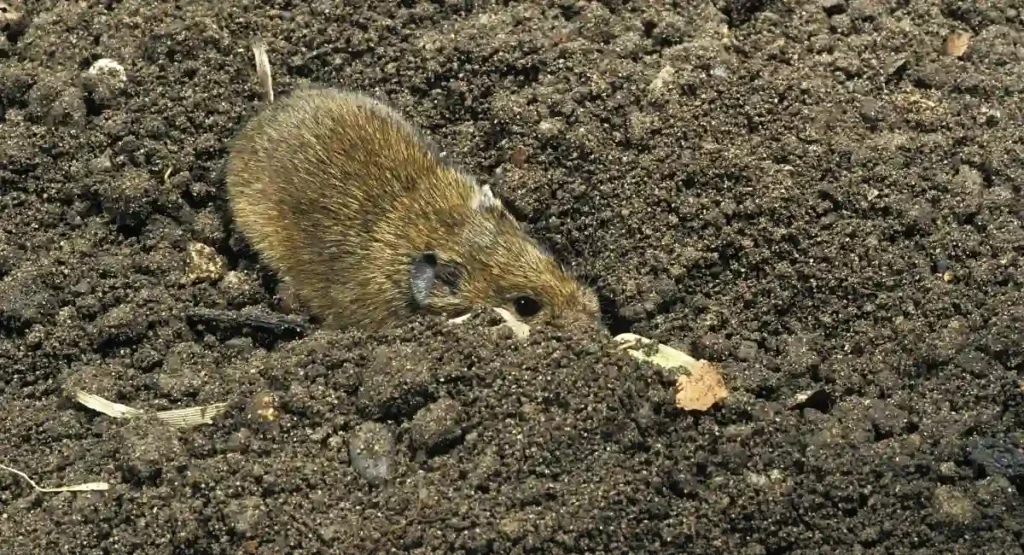
Ignoring a vole problem can lead to serious issues for both your yard and your pets. These small rodents multiply quickly, causing more damage over time. Acting fast can help protect your home, lawn, and garden before the problem gets worse.
Prevent Health Risks from Diseases and Parasites
Voles may seem harmless, but they can carry diseases and parasites that can make your pets sick. Their urine, feces, and saliva can spread harmful bacteria, and they often bring fleas, ticks, and mites into your yard.
These pests can cause serious illnesses like tularemia or Lyme disease. The sooner you remove voles, the safer your pets and home will be.
Avoid Costly Lawn and Garden Damage
Voles are burrowing rodents that dig tunnels and runways, damaging lawns and gardens. They chew on tree roots, bulbs, and tubers, which can kill young trees and plants. If not dealt with quickly, they can cause serious damage to your landscaping, leading to costly repairs
Need Help with Nuisance Wildlife? We Can Help!
If you can’t control the voles in your yard on your own and are worried about the dangers that they pose, reach out to your local critter control company.
At Florida Pest Control, we train our vole extermination experts not only to remove voles from yards and gardens but also to assess our customers’ yards for vulnerabilities that could lead to future infestations. To learn more about voles or receive a free quote on our services, contact us today!