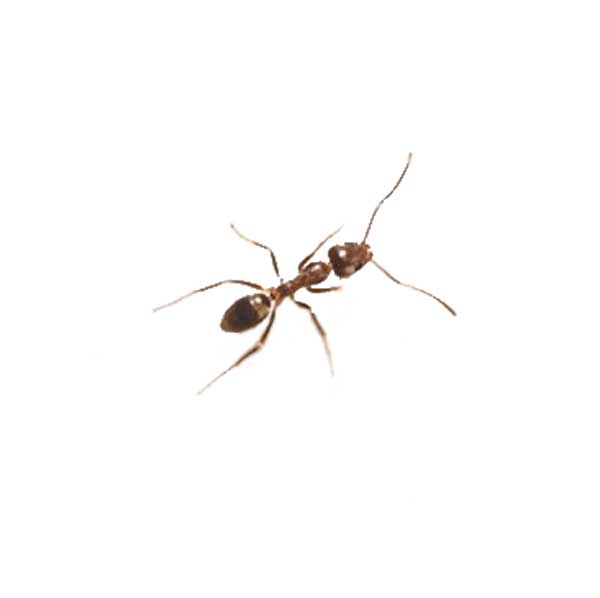
Argentine Ants in Florida
Argentine ants (Linepithema humile) are major household and garden pests in Florida. When searching for food, they leave scent trails everywhere they go, not just between their nest and the food. This habit ensures they never visit the same area twice.
Workers from different Argentine ant colonies cooperate with each other, allowing them to form large super-colonies. The colonies can become so large that they can take over whole city blocks. They are ranked among the most stubborn home-infesting pests, contaminating and spreading bacteria wherever they forage.
Argentine Ant Characteristics
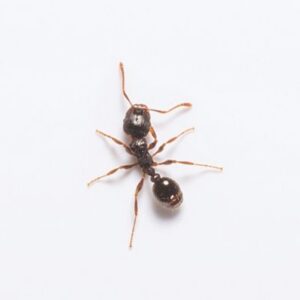
Argentine ants are small, usually about one-sixteenth of an inch long, ranging in color from light to dark brown. Argentine ants bite, but they don’t hurt and don’t pose any health risk. Unlike many other species, Argentine ants don’t fight among colonies, which means several nests may work together as one large supercolony. This trait, plus their ability to displace native ants, makes them a real nuisance, especially in areas close to food and water.
Argentine Ant Habitats
Argentine ants prefer to nest under sun-baked soil and may even clean the nest area of vegetation in order to warm their nests. Drip irrigation lines provide a perfect source of water for the ants and can serve as superhighways for ants to form new colonies. Setting up quarters anywhere close to food, Argentine ants nest in the ground, in concrete wall cracks, and at the base of trees. When the weather gets too dry or wet, Argentine ants invade homes through cracks and crevices. They are also found near water pipes, sinks, and potted plants. Once inside, they forage for food, feeding on meat, eggs, oils, fats, and sweet items like fruit.
How to Identify Argentine Ants
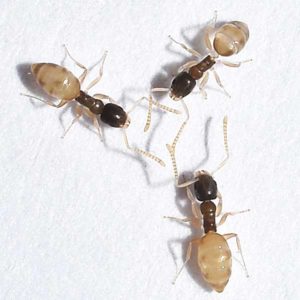
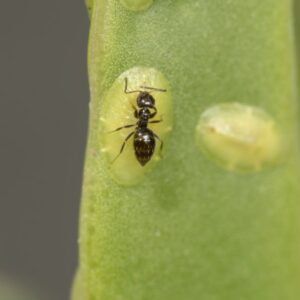
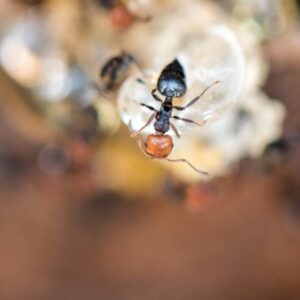
When it comes to Argentine ant identification, there are a few key things to look for. Argentine ants may look like the stereotypical average ant: small with dark brown bodies. They’re usually only 2.6 to 3.2mm long. The worker ants are all uniform in shape and size, moving in well-defined trails. They have a slightly greasy, musty odor when crushed. Although the Argentine ant bite is not painful, they will bite readily when feeling threatened.
Argentine Ant Behaviors, Threats, or Dangers
Although they don’t pose any serious health threats, the sheer population size of an Argentine ant colony is enough to cause chaos in any household. Because they need water to survive, bare dirt borders near irrigation ditches can be chronically infested with ants. Most ants only deposit pheromone trails on their way back to the nest from the food source. However, Argentine ants leave behind pheromone trails to and from a food resource. Because colony size increases quickly, they can rapidly form interconnecting colonies that can lead to a massive infestation. If an Argentine ant infestation is suspected, it is best to contact a professional ant exterminator.
Best Ways to Control Argentine Ants
You’ll need more than store-bought products to get rid of Argentine ants. Since they often build satellite nests and support large colonies with multiple queens, eliminating one nest won’t fix your problem.
The best way to handle an infestation is with professional help. Our trained technicians can identify nesting sites, treat the problem at its source, and help prevent future activity. DIY solutions might help for a while, but for longer-lasting results, it’s better to hire experts. At Florida Pest, we understand the habits of Argentine ants in Florida and our professional ant exterminators can help you keep your ant infestations under control. So give us a call today.
Argentine Ant FAQ’s
How To Control Argentine Ants
To control Argentine ants, you need to find and disrupt their colony. These ants follow strong scent trails to and from food sources, often entering homes through tiny cracks. Cleaning crumbs, sealing entry points, and trimming vegetation can reduce access. However, due to the large size of their colonies and how each worker cooperates in foraging, DIY steps are often temporary. We can help by creating a treatment plan tailored to Argentine ant (Linepithema humile) infestations for long-term relief.
How Do I Spot An Argentine Ant Invasion?
An infestation usually starts when Argentine ants form large supercolonies with thousands of workers group together. They spread quickly, especially in warm climates, often outcompeting native ants. These ants seek out consistent food sources, so they’re usually found in kitchens or around outdoor pet bowls. Because their numbers grow fast, professional help is the most reliable way to reduce and manage an infestation.
What Eats Argentine Ants?
Several animals prey on Argentine Ants, including birds, some spiders, and other predatory insects. However, due to their large numbers and ability to quickly relocate their colony, natural predators don’t usually reduce infestations in homes or yards. Removing food sources and limiting outdoor attractants is more effective in preventing ant activity around your property.
Where Are Argentine Ants From?
Argentine ants are native to South America. They were introduced to the United States in the late 1800s, likely through shipping routes. Since then, they’ve spread throughout many states, thriving in warm, moist environments. Their workers form large interconnected colonies, which is why they can become such a stubborn problem once established.