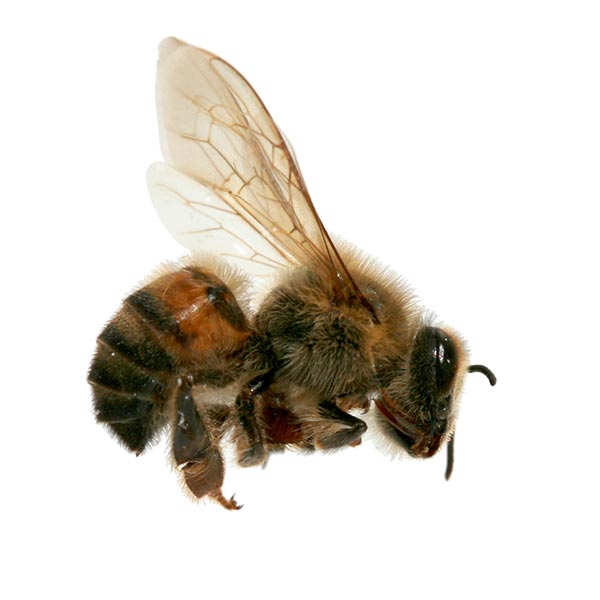
Africanized Killer Bees in Florida
The Africanized honey bee (Apis mellifera scutellata Lepeletier) is popularly known as the “killer bee” and sometimes simply the “AHB”. This species is the hybrid result of matings between the African bee subspecies and European honey bees and is similar in size and appearance to domestic honey bees. It is now found throughout the southern United States, including Southern California, southern Nevada, Arizona, Texas, New Mexico, Louisiana, and central and southern Florida.
What Do Africanized Honey Bees Look Like?
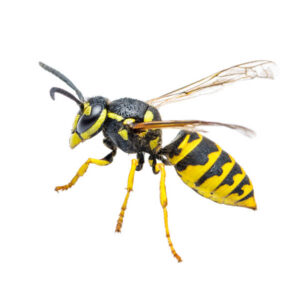
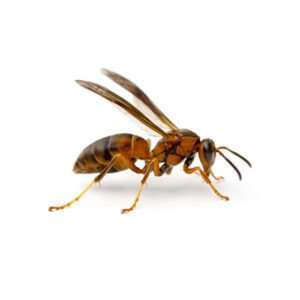
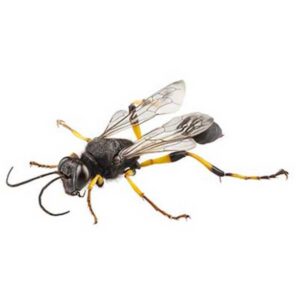
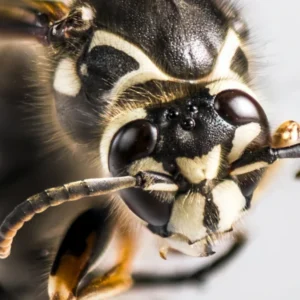
Africanized honey bees are about ¾ of an inch long, covered in fine fuzz, and have brownish bodies with dark stripes. Their stripes are less distinct than those of wasps or hornets, making them easy to distinguish from species like the bald-faced hornet.
Signs of an Africanized Honey Bee Infestation
If bees react quickly and in swarms, they may be Africanized honey bees. Unlike European honey bees, Africanized honey bees are more likely to sting repeatedly and to pursue perceived threats relentlessly.
Nests are often in unusual places, such as utility boxes, tree cavities, attics, sheds, old tires, or even underground holes. A constant, loud buzzing sound can indicate a nearby colony. Frequent sightings of swarms moving or searching for new nesting sites may also be a sign of infestation. Africanized honey bees can become more aggressive over time, reacting strongly to vibrations and loud noises, such as those from a lawnmower or strimmer.
Habitat, Diet, Life Cycle & Behaviors
Africanized honey bees share many traits with European honey bees but differ in their nesting habits, behavior, and defensiveness. Understanding where they live, what they eat, and how they behave can help identify and safely manage colonies of these aggressive bees.
Where Do Africanized Honey Bees Live?
A common difference between Africanized and European honey bees is their choice of nest locations. Africanized honey bees are less selective when seeking out a potential nesting site. Colonies are smaller and have been found in water meter boxes, cement blocks, barbecue grills, cavities in the ground, and hanging exposed from tree limbs. European honey bees are rarely found in these locations, preferring larger nesting sites like chimneys and tree hollows.
Diet
Like all honey bees, Africanized honey bees primarily feed on nectar and pollen collected from flowers. They also use the nectar to produce honey, which serves as a food source for their colony. The diet of Africanized honey bees plays a vital role in pollination, helping to fertilize plants and crops.
Life Cycle
The life cycle of an Africanized honey bee includes four stages: egg, larva, pupa, and adult. The queen lays eggs in wax cells, and workers feed the developing larvae. After pupating, adult bees emerge and assume roles as workers, drones, or queens. Africanized honey bee colonies reproduce through swarming, in which a queen and a group of worker bees leave the hive to establish a new colony.
Behaviors
Africanized honey bees are very hostile and quick to respond to perceived threats. Unlike European honey bees, they can aggressively chase people over long distances. Sometimes, this can be up to 500 feet. They are also more likely to abandon their nests when disturbed, making them more unpredictable.
Are Africanized Honey Bees Dangerous?
Africanized honey bees can be a public health concern because they are more likely to sting than “typical” honey bees. They are more unpredictable than domestic honey bees, but generally attack only when their nests are threatened—either when they sense ground and air vibrations, or when dark-colored moving objects come within 50-150 feet of the colony.
Children, the elderly, and handicapped individuals are at the highest risk of an attack. This is due to their inability or hampered ability to escape an attack.
Africanized honey bee venom is no more dangerous than that of domestic honey bees. However, these bees will attack in greater numbers, making them a greater danger to humans. If you suspect an Africanized honey bee hive on your property, contact a professional bee removal company.
How To Get Rid of Africanized Honey Bees?
Trying to remove an Africanized honey bee hive without proper training and equipment can be extremely dangerous. It is critical to contact a professional pest control service, such as Florida Pest Control, that specializes in bee removal. Experts have the knowledge and tools to safely handle infestations, ensuring the safety of both you and the bees. Contact us today for a free quote.
Africanized Honey Bee Prevention Tips
There are several steps you can take to try to prevent Africanized honey bees from invading your property:
- Inspect your property often for potential nesting sites such as hollow trees, outdoor equipment, or small cavities in structures.
- Seal cracks and openings in walls, roofs, and utility boxes to remove possible entry points.
- Remove debris or clutter around your property that may serve as a nesting location.
- Limit strong floral or sweet scents that may attract bees to your yard.
- Educate family members and neighbors about Africanized honey bees and the risks they pose.
Effective Africanized Honey Bee Services
If you suspect the presence of Africanized honey bees or other stinging insects on your property, Florida Pest Control is here to help. Our experienced professionals will identify and expertly remove the colony, ensuring your home or business remains safe. Contact us today for a free estimate or to schedule an inspection.
Frequently Asked Questions
Can Africanized Bees Kill You?
Yes, Africanized honey bees can be deadly in certain situations, especially if they attack in large numbers. While their venom is no more potent than that of European honey bees, they are far more aggressive and likely to sting repeatedly. This can overwhelm the victim. People with allergies, children, and the elderly are particularly at risk.
Do Africanized Bees Make Honey?
Yes, Africanized honey bees produce honey just like European honey bees. They are less desirable for commercial beekeeping, though. This is due to their smaller colony size and aggressive nature, that make them less attractive to beekeepers.
Where did Africanized Honey Bees Come From?
Africanized honey bees are a hybrid of African and European honey bees. They were brought to Brazil in the 1950s and crossbred with European honey bees. Before crossbreeding began, some queen African bees escaped and bred with European honey bees in the wild.
Where are Africanized Bees Located?
Africanized honey bees live in the southern United States, including in Florida, Texas, Arizona, California, Nevada, and New Mexico. They are also widespread in Central and South America.
Can Africanized Bees Sting More Than Once?
No, like all honey bees, Africanized honey bees can only sting once. Their stinger becomes lodged in the skin, and they die shortly after stinging. However, their heightened aggression means many bees from the colony are likely to sting in a single attack.