
Yellowjackets in Florida
Found throughout the United States, yellowjackets are the most infamous wasps of the stinging insects commonly found in Florida.
What Do Yellowjackets Look Like?
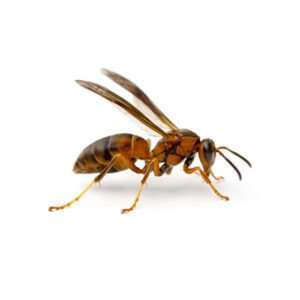
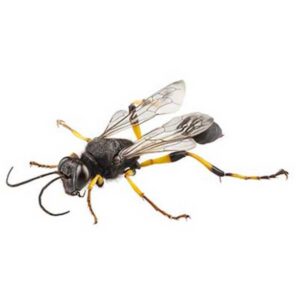
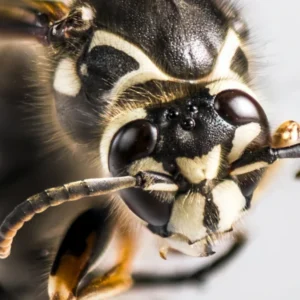
Yellowjackets are small wasps with yellow and black markings on their abdomen. They have smooth, shiny bodies and are known for their aggressive behavior, especially when protecting their nests.
In Florida, there are two types of yellow jackets from the Vespula family: the Eastern yellow jacket (Vespula maculifrons) and the Southern yellow jacket (Vespula squamosa). Yellowjackets are often confused with bald-faced hornets (Dolichovespula maculata) because they look similar. However, bald-faced hornets are typically larger and build their nests above ground, while yellowjackets build their nests underground.
Signs of a Yellowjacket Infestation
If you notice an increase in yellowjacket activity around your property, it may indicate a nearby nest. Look for these signs:
- Increased Yellowjacket Activity: Yellowjackets are most active in late summer. You may see them foraging for nectar or food around your home.
- Nests in Protected Places: Yellowjacket nests are often hidden in places like eaves, wall voids, or ground burrows. These nests are made of paper-like material and can be large.
- Aggressive Behavior: If you accidentally disturb their nest, yellowjackets may sting multiple times, injecting venom that can be painful and, in some cases, cause allergic reactions.
If you suspect a yellowjacket infestation, it’s best to call pest control professionals who can safely remove nests and prevent sting risk. Contact the experts at Florida Pest Control today.
Habitat, Diet, Life Cycle & Behaviors
Yellowjackets are highly territorial and very likely to sting when disturbed or threatened. This often happens by accident during al fresco dining or when children play outside. However, if you can spot them first and understand the triggers for their violent behavior, you and your family are less likely to be unfortunate victims.
Where Do Yellowjackets Live?
Yellowjackets are either ground nesters that use old rodent burrows to house their colony or above-ground nests, found among the leafy branches of trees, shrubs, and buildings. In buildings, nests can be located in wall voids, under eaves, crawlspaces, and in attics. The entrance of the nest is normally a hole located at the bottom.
Locating the nest by observing flight patterns is essential to eliminating them.
Diet
These wasps are scavengers and eat a wide variety of foods. Adult yellowjackets feed mainly on fruit juices and other sweet liquids, whereas their larvae eat soft-bodied insects like caterpillars and flies. In late summer, when natural food sources are scarce, they become more aggressive in their quest for sweet foods, including human food scraps.
Life Cycle
Yellowjackets begin their life cycle in spring when a fertilized queen starts a new colony. She builds a small paper nest and lays eggs that hatch into worker yellowjackets. These workers help expand the nest and take care of the colony. As summer continues, the colony grows, and new queens and males are produced. By late summer, the colony reaches its full size. In the fall, most of the colony dies off, and the fertilized queens overwinter, starting the cycle again the following year.
Behaviors
Yellowjackets are social wasps known for large colonies (with thousands of individuals), aggressive nest defense, and scavenging habits. They are beneficial wasps that act as natural pest control by eating harmful garden insects, help with plant pollination, and serve as food for other animals. They are most active in late summer and early fall, when colonies reach sizes of up to 4,000 or more workers, making them hungry, bold, and more likely to sting.
Are Yellowjackets Dangerous?
Yes, yellowjackets can be dangerous.
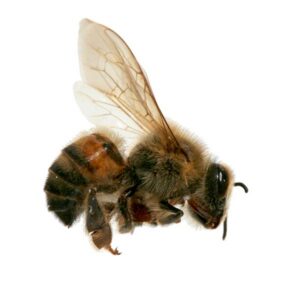
While they typically sting only when their nest is threatened, their stingers are smooth, not barbed like honeybees, which allows them to deliver repeated stings. Reactions do vary, but some individuals are highly sensitive and require immediate medical attention after being stung.
Sometimes yellowjackets living in wall voids chew their way through the drywall and enter the structure’s living space. Naturally, the presence of large numbers of wasps flying around the room can be alarming to homeowners. If you spot a yellowjacket nest, always contact a licensed wasp removal expert for help.
How to Get Rid of Yellowjackets?
The safest way to get rid of yellowjackets is to call a professional pest control service, such as Florida Pest Control. Our experts can find and remove yellowjacket nests with minimal risk. Trying to remove a nest yourself can be dangerous, especially if you disturb the yellowjackets.
Yellowjacket Prevention Tips
To prevent yellowjackets from nesting near your home, follow these tips:
- Seal cracks and gaps: Block any entry points around your home to prevent yellowjackets from getting inside.
- Keep trash bins covered: Make sure your trash bins are tightly sealed to avoid attracting yellowjackets with food scraps.
- Remove fallen fruit: Yellowjackets are drawn to sugary foods, so pick up any fallen fruit from trees regularly.
- Inspect for nests: Check areas like eaves and wall voids for early signs of nests to catch them before they become a problem.
Need Help with Bees, Wasps, or Hornets?
Don’t wait to act. From yellowjackets to paper wasps to honeybees, these stinging insects can be dangerous, especially when threatened. Our team of bee, wasp, and hornet exterminators will safely remove nests and help prevent future infestations. Get your FREE quote with Florida Pest Control today.
We'll call you! Leave your information below.
Get a FREE quoteFrequently Asked Questions about Yellow Jacket Wasps
How Can You Get Rid of a Yellowjacket Nest?
To safely get rid of a yellowjacket nest, it’s best to contact pest control experts, who have the necessary protective clothing and expertise. Attempting to remove the nest yourself can be dangerous since yellowjackets can sting multiple times when threatened.
Are Yellowjackets Pollinators?
Yes, yellowjackets do help with pollination. As their primary diet consists of nectar and sugary foods, they visit flowers to feed, transferring pollen in the process.
Do Yellowjackets Leave Stingers?
Unlike honey bees, yellowjackets do not leave their stinger behind when they sting. Their smooth stinger allows them to sting multiple times. This can make them more dangerous to humans, especially if they feel their nest is threatened.
Where do Yellowjackets Nest?
Yellowjackets build nests in various locations, including underground burrows, tree branches, eaves, and wall voids. They construct their nests using wood fiber, creating paper-like structures.
Where do Yellowjacket Wasps Go in the Winter?
In winter, yellowjacket colonies typically die off, but fertilized queens survive. These queens overwinter in protected places, such as under tree bark or in wall voids. Come spring, the queen will start a new colony, laying eggs that hatch into workers to help build the nest.