Armadillos are common in many parts of Florida. With their armor-like shells, they often get noticed when digging holes in yards or gardens. While they might look harmless, they can cause real damage to your property and the surrounding landscape. Learning about their habits and behavior will give homeowners a better idea of what to look out for and how to proceed if they move into your backyard.
Armadillos in Florida
There are about 21 armadillo species worldwide, but the nine-banded armadillo (Dasypus novemcinctus) is the only one in the United States. Armadillo means “little armored one” in Spanish, named for the bony plates covering its body. When scared, it can jump four to five feet into the air as a tactic to scare off predators. These digging mammals are common in the southeastern United States and often damage landscapes and ecosystems while looking for food and shelter.
What Do Armadillos Look Like?
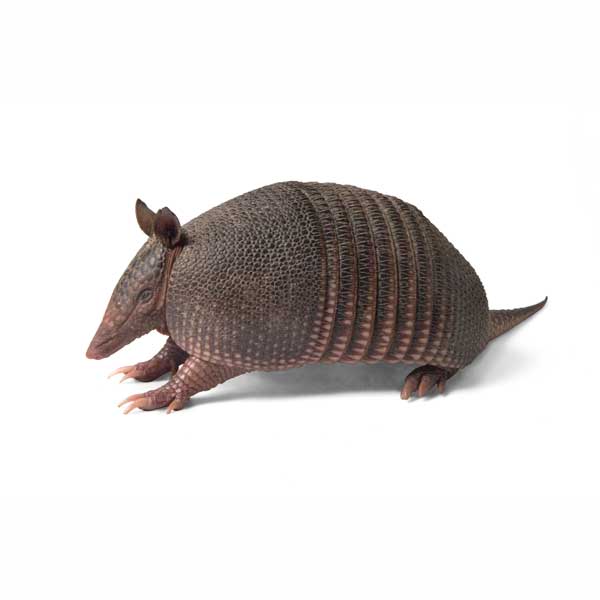
Armadillos are small to medium-sized mammals with a hard shell made of bone and keratin. The nine-banded armadillo is about 15 to 17 inches long, plus a tail almost as long as its body. They have short legs and strong, sharp claws for digging. Their gray-brown color helps them blend into the ground. Other armadillo species, like South America’s pink fairy armadillo (Chlamyphorus truncatus), are much smaller and lighter.
Signs of an Armadillo Infestation?
If you have armadillos, you might notice small holes in your yard, about one to three inches deep and three to five inches wide. These are made when they forage for insects and other invertebrates. You may also see burrows under shrubs or trees near your home. Damaged gardens, uprooted plants, and cracked driveways are other signs.
Habitat, Diet, Life Cycle & Behaviors
Armadillos are adaptable creatures that can thrive in different areas, including Florida. They survive by finding the right places to live, eat, and raise their young. In Florida, they dig burrows, forage at night, and avoid daytime heat. Though often hidden, their digging can damage lawns, gardens, and even foundations. Knowing their habits can help you catch the signs early and avoid bigger issues.
Where Do Armadillos Live?
In the wild, armadillos like warm, wet places. They live in forests and brushy areas in tropical and mild regions. They build their burrows in the woods and forage in fallen leaves for plants and small invertebrates. Sometimes they dig their own burrows or use old ones abandoned by tortoises or other animals. They don’t hibernate and can’t handle heat over 85 degrees F. Other animals, such as pine snakes, rabbits, opossums, striped skunks, burrowing owls, and snakes, often use their burrows when the armadillos move on.
Diet
Armadillos are insectivores because they mainly eat insects, other invertebrates, and small amounts of plant material. They use their sharp claws to dig for ants, beetles, termites, and grubs. Earthworms, small amphibians, and fallen fruit can also be part of their diet. Their keen sense of smell allows them to detect food underground. Armadillos help control insect populations, but often at the cost of damaging lawns and gardens.
Life Cycle
The nine-banded armadillo has a fascinating way of having babies. When an egg is fertilized, it splits into four, making identical quadruplets. This process is called polyembryony. Mating typically occurs in summer, with births happening the following year. Babies are born with soft shells that harden a few weeks after birth. Young armadillos remain with their mother for a few months before setting out to establish their own home range.
Behaviors
Armadillos are solitary animals. They are nocturnal, often venturing out at night to forage for food. During the day, they remain hidden in their burrows to avoid predators and heat. They can run short distances quickly and swim across water by inflating their stomachs for buoyancy. Their low body temperature helps them survive diseases that affect other mammals.
Are Armadillos Dangerous?
Armadillos are considered destructive animals because they destroy lawns and gardens. They are powerful diggers and can weaken plant roots, building foundations, and driveways. Armadillos also carry diseases like leprosy, tapeworms, and salmonella. If armadillos are an issue, it’s best to have them removed by a professional, like Florida Pest Control, as soon as you can.
How to Get Rid of Armadillos?
It’s tough to remove armadillos without help. While DIY methods might work for a bit, and sealing burrows and installing barriers can help prevent future intrusions, calling a professional is the sensible option. Armadillos can carry diseases like leprosy and parasites that pose a risk, making expert handling even more important.
Trapping is the most effective way to eliminate armadillos, but you need to understand how armadillos move and where they go. Florida Pest Control uses humane methods to remove them from your property while minimizing the risk to the animal.
Armadillo Prevention Tips
The best way to avoid armadillo problems is to make your yard less inviting. Clean up brush piles, keep your yard tidy, and fence off gardens. Make sure fences are buried a few inches underground. Don’t leave pet food outside. Florida Pest Control can help spot risk areas and set up prevention plans to keep armadillos away.
Need Help with Nuisance Wildlife? We Can Help!
If armadillos or other wildlife are causing trouble, Florida Pest Control can help. Our experts will create a wildlife control plan to help you get rid of unwanted animals. We offer inspections, removal plans, and tips to protect your home.
Frequently Asked Questions
Do Armadillos Bite?
Armadillos have teeth, but they rarely bite people. They dig or run away when scared. If you are bitten or scratched, seek medical assistance.
Are Armadillos Nocturnal?
Yes, most armadillos, including the nine-banded armadillo, come out at night. This helps them stay away from predators and the hot sun.
Do Armadillos Hibernate?
Armadillos don’t hibernate, although they might stay in their burrows more when it gets cold.
Can Armadillos Swim?
Yes, armadillos can swim. They can float by filling their bellies with air and paddling across rivers or streams.
How Big Do Armadillos Get?
Armadillo sizes vary. The giant armadillo (Priodontes) from South America can grow up to five feet long, while the pink fairy armadillo stays very small, about six inches long.