

Black Widow Spiders in Florida
Black widow spiders are among the most feared arachnids in the United States, and for good reason. While they are not aggressive, their venom is powerful enough to cause serious pain and medical complications. In Florida, encounters with black widows are not uncommon, and their appearance in community spaces or the workplace can cause genuine concern. For people who struggle with arachnophobia, even a harmless spider can trigger anxiety.
Florida is home to two black widow species: the southern black widow (Latrodectus mactans) is found throughout the state, while the northern black widow (L. variolus) is mainly in North Florida and the Panhandle; both can inflict painful bites. Clutter provides perfect hiding places, which is why black widows are often found around storage, laundry, and utility rooms. Although considered the most venomous spider in North America, their bites are rarely fatal. Still, the pain and symptoms they cause mean it’s always wise to treat these spiders with caution.
Understanding where they live, how to identify them, and when to call for commercial pest services will help protect you, your employees, and visitors.
How to Identify a Black Widow Spider
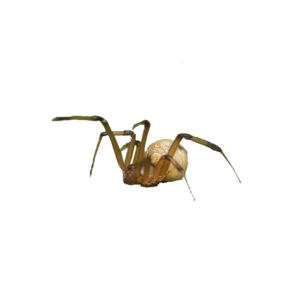
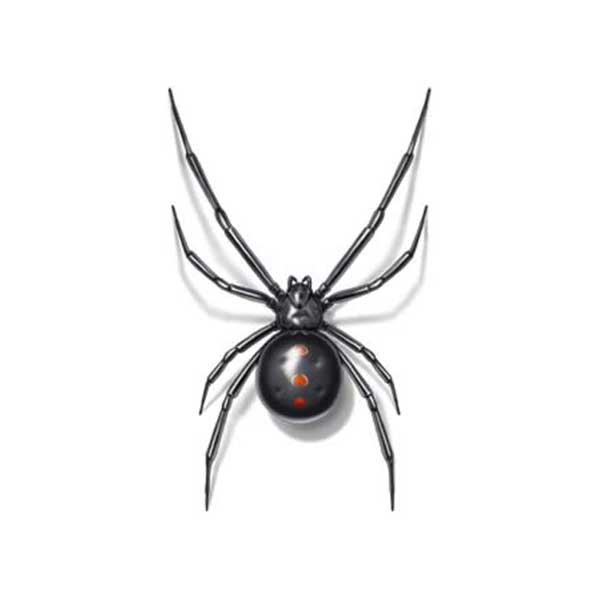
Correct black widow identification is helpful for safety and reassurance. Adult female black widows are shiny black with a bright red, orange, or sometimes yellow hourglass on the underside of their abdomen. Males are smaller and lighter in color and may have red or white streaks along their sides. Immature black widows often have lighter bodies with white or orange markings, making them harder to recognize.
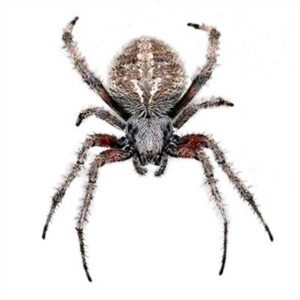
Their webs also provide clues. Unlike orb weavers that spin neat, circular webs, black widows create messy, irregular webs in low-lying areas. If you spot an erratic web in a garage, shed, or under patio furniture, it may be worth comparing it to a trusted resource, like our spider identification guide.
Where Black Widow Spiders Live in Florida
Florida’s subtropical climate creates the ideal conditions for black widows. You’re most likely to see them outdoors in dark, secluded spots. Familiar hiding places include rock piles, block walls, sprinkler valve boxes, sheds, garages, and playground equipment. Around residential areas, they often nest under patio furniture or in cluttered corners where people don’t usually look.
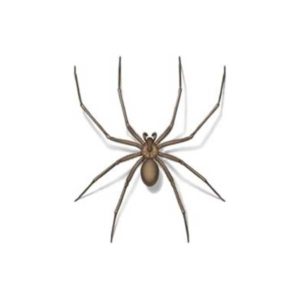
While most ‘widow’ spiders found in Florida properties are black or brown varieties, the red widow is also native to the region and rarely strays far from its regular scrub and palmetto habitats.
Black widows are drawn to areas with insect activity since insects are their primary food source. While they typically stay outdoors, they can be carried indoors in delivery boxes, stored furniture, or garden tools. Because they avoid high-traffic spaces, many people never notice them until cleaning or moving items, which can lead to accidental bites. If this happens, consult a medical professional immediately for advice and possible treatment.
Black Widow Habitat
The preferred black widow habitat is outdoors in quiet, shaded areas close to the ground. Their irregular webs are commonly found in crevices, piles of debris, block walls, and under outdoor furniture. Garages, sheds, and other outbuildings are also prime nesting sites, although typical Florida spots include water meter boxes, equipment cabinets, stacked lumber, woodpiles, and sheds.
Black widows occasionally end up indoors when carried inside by mistake on playground equipment or grocery items. One of the most obvious signs of a black widow infestation is the presence of messy, irregular webs in or around a property. If you notice these webs in low, dark areas, there’s a chance a widow spider is nearby. You can contact our residential pest services for a no-obligation inspection.
Black Widow Behaviors, Threats, or Dangers
Despite their reputation, black widows are generally shy and non-aggressive. They only bite when they feel threatened, usually when accidentally pressed against the skin. Most bites occur when a hand brushes against a spider hidden in clutter or when moving items stored in garages, backrooms, or outdoor furniture.
Symptoms may develop within 20 minutes to an hour after a bite. These can include severe pain around the bite, stiffness, nausea, chills, or fever. While death is infrequent, medical attention should be sought immediately if you suspect a bite. The risks may be greater for families, children, and older adults, making prevention and professional help even more important.
Need help with Black Widow Spider Control?
We'll call you! Leave your information below.
Get a FREE quoteFrequently Asked Questions
How Common Are Black Widow Spiders In Florida?
Black widows are pretty standard in Florida, especially in outdoor locations, like sheds, garages, and rock piles. While they’re not often seen out in the open, their messy, irregular webs are a visible sign of their presence.
What Time Of Year Are Black Widow Spiders Most Active In Florida?
Thanks to the muggy climate, black widows are active year-round in Florida. However, activity peaks in late spring through fall, when breeding increases and more spiders search for food and nesting sites.
How Can I Tell The Difference Between Male And Female Black Widow Spiders?
Female black widows are larger, shiny black, and feature the trademark red hourglass on their abdomen. Males are smaller, lighter in color, and often marked with white or red streaks. Females are the greatest threat, as their venom is much more potent.