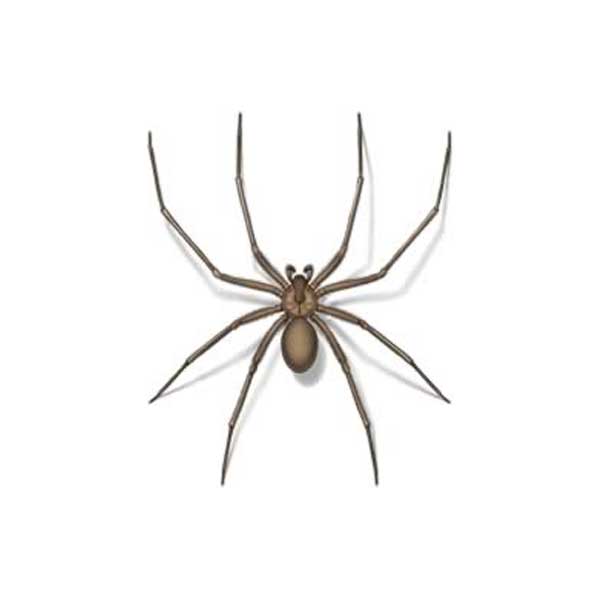
Brown Recluse Spiders in Florida
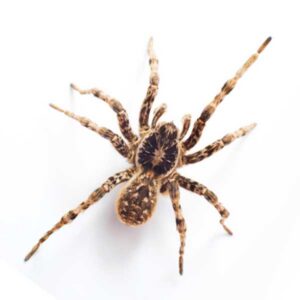
The brown recluse, also known as the ‘violin spider’ or ‘fiddleback spider’ ranges in color from light tan to dark brown and is identified by the distinctive violin-shaped mark on its dorsum (back). Although often reported throughout Florida, exposure is less frequent than many assume. States with confirmed sightings include Alachua, Duval, Jefferson, and Leon.
No breeding populations of the Brown recluse spider have been found in any Florida county in a natural habitat. Over the years, our team has received a number of recluse spiders to identify. While they were indeed all recluse spiders, they were not brown recluses, but Mediterranean recluses. Recluses are found in cracks and crevices in and under rocks or the loose bark of dead trees. Thankfully, they are rarely found here in Florida.
Although recluse spiders have been collected in Florida, the evidence shows they do not survive and reproduce here. While experts still debate over the actual range of this spider, the majority agree its bite is over-diagnosed. The natural range of the brown recluse is the central Midwestern states. It extends as far north as Nebraska and East to Ohio. The southern boundaries are primarily Texas east to Northwest Georgia.
Despite being rare in Florida, we know finding a recluse spider or a similar spider in your facility or business can be unsettling. While regular vacuuming, decluttering, and sealing cracks may help to reduce activity, they don’t eliminate the problem. Because recluses are secretive and difficult to locate, a professional approach is the most reliable solution. Professional support through trusted spider extermination services can provide reassurance and help ensure commercial and residential premises remain protected.
How to Identify a Brown Recluse Spider
Their most distinctive feature is the dark violin-shaped marking behind the head, with the ‘neck’ of the violin pointing toward the abdomen. Unlike many spiders, the brown recluse has six eyes arranged in three pairs, rather than the typical eight. Their legs are long, slender, and uniformly colored without stripes or banding.
Adult recluses are usually about ⅜ of an inch in body length, with legs extending longer. They have smooth, fine hairs but lack the spiny bristles of many other spider species. When at rest, they hold their legs extended outward, giving them a flat appearance.
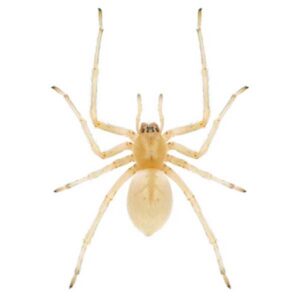
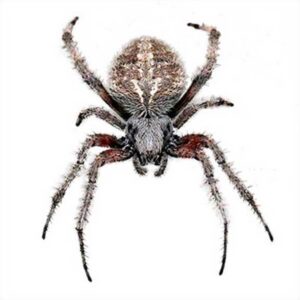
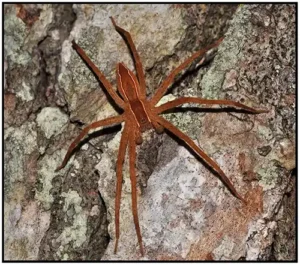
Since brown recluses are often mistaken for other spiders, it helps to look closely at their features when attempting to identify the species. When in doubt, the safest approach is to seek help from a professional or use a trusted spider identification guide for confirmation.
Brown Recluse Spider Characteristics
Brown recluse spider characteristics that stand out include coloration, eye pattern, and markings. Their bodies are light to dark brown, though the shade can vary depending on age. The violin-shaped mark behind the head is a key identifier, but it may be faint on some individuals.
Another defining trait is their behavior. True to their name, brown recluses prefer seclusion and avoid human activity whenever possible. They are nocturnal hunters, feeding on soft-bodied insects at night rather than spinning webs to capture prey. Their passive hunting style means they rarely wander into open areas unless disturbed.
Since they prefer quiet, out-of-the-way areas, brown recluses are often discovered in stored clothing, cardboard boxes, garages, or attics.
Brown Recluse Spider Habitat
Recluse spiders are solitary arachnids that like to avoid busy areas. In nature, they are found in cracks and crevices, under rocks, or on the loose bark of dead trees, but they are also drawn to basements, closets, storage boxes, and areas with clutter inside. They are more likely to rest on porous materials like paper, wood, and cardboard rather than smooth surfaces like metal or tile.
Spacious old buildings with poor light and ventilation offer many potential hiding spots. Around residential properties and businesses, they can be found under trash cans, tarps, plywood, and even rubber tires. They may also take shelter in shoes, folded clothing, or bedding left undisturbed for long periods.
This adaptability is what makes brown recluse spider habitat so closely linked to human activity. For this reason, regular cleaning, decluttering, and vigilance are effective prevention steps, although professional help is often needed for long-term recluse spider control.
Brown Recluse Spider Behaviors, Threats, or Dangers
Brown recluse spiders are not aggressive hunters and only bite when directly threatened. Most spider bites occur when someone accidentally puts on clothing, shoes, or gloves that conceal a recluse. Another common scenario is reaching into boxes or piles of stored belongings without realizing a spider is hiding inside.
Despite being rare, it is still important to learn how to recognize the signs of a more dangerous bug bite. Some of the symptoms to look out for include the following.
- Pain at the site of the bite
- Redness and swelling
- In serious cases, a deep, purple sore or ulcer that forms
- Fever and chills
- Nausea
- Joint pain
- While rare, seizures
While many bites result in mild swelling or irritation, the venom of the brown recluse can sometimes cause necrotic skin damage (rotting skin). In severe cases, this may develop into open sores that take weeks to heal. Because the severity of symptoms can vary, anyone who suspects a recluse bite should seek medical attention immediately.
The possibility of severe outcomes, combined with the spider’s habit of hiding in everyday items, makes infestations a problem that should never be ignored. If you suspect activity in your property, professional spider extermination services are strongly advised to reduce risks.
Pest Control Inspections You Can Trust
Florida Pest Control provides customized plans for both residential and commercial spider control. Our technicians live in the surrounding area and understand how location affects spider behavior. They will quickly identify signs of infestation and apply targeted treatments that focus on long-term protection.
Frequently Asked Questions
How Common Are Brown Recluse Spiders In Florida?
While widely feared, brown recluse spiders are not as common in Florida as many believe. Reports are often exaggerated, and sightings are rare. Nevertheless, awareness and accurate brown recluse spider identification are valuable for effective spider removal and control.
What Time Of Year Are Brown Recluse Spiders Most Active In Florida?
Brown recluses are active year-round indoors, but outdoor activity peaks during warmer months. In Florida’s climate, they may be seen more often in late spring and summer when they hunt at night.
How Big Do Brown Recluse Spiders Get?
Adult brown recluses typically grow to about ⅜ of an inch in body length, with legs extending longer. Their size and the violin-shaped marking make them easy to identify when observed closely.