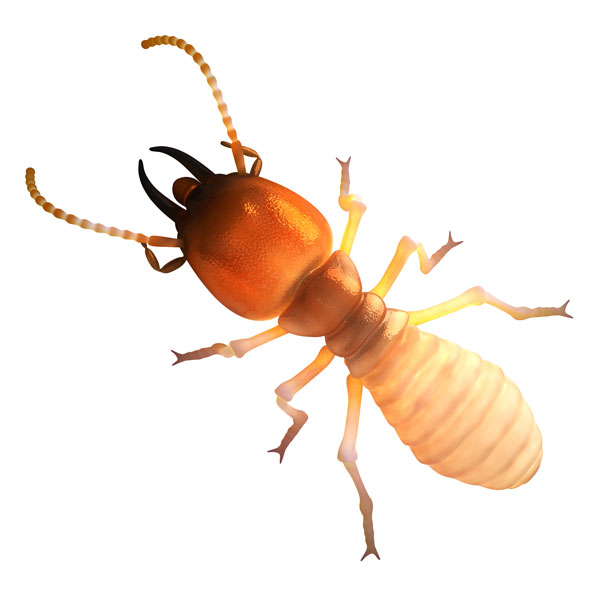
Dampwood termites belong to a group of termites commonly mistaken for but distinct from other wood‑dwelling species. These insects rely on wet or decaying wood for survival. In Florida, where humidity and moisture are high, they pose a problem in areas where wood stays damp. Their love for lumber with high moisture content sets them apart from subterranean and drywood termites.
While dampwood termites can cause damage, they are considered a minor pest compared to subterranean termites, as their infestation is often limited to wooded areas with significant moisture issues. Finding them early, fixing leaks, and removing worn wood helps to reduce extreme damage.
DIY methods may help to some extent, but professional inspection and targeted intervention support further wood protection.
Dampwood Termite Identification
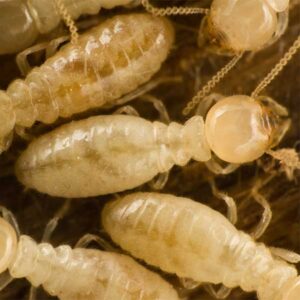
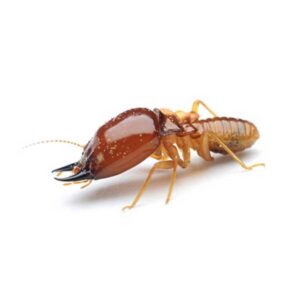
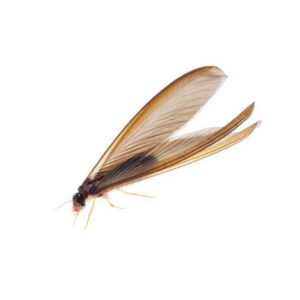
Workers measure roughly three‑quarters of an inch to one inch, larger than many other termite species. Soldiers have a powerful head and strong jaws. Nestmates vary from pale cream to darker brown depending on their age and role. Dampwood termites do not create the mud tubes that subterranean species use, and their wings only appear during swarming events. Spotting them requires inspecting wet or decaying timber rather than foundation walls.
Dampwood Termites in Florida
Florida’s high humidity, frequent rain, and coastal areas are ideal for dampwood termite colonies. Though less common than subterranean types, dampwood termites will nest in coastal homes, under decks in shady yards, and in structural wood exposed to moisture. They gravitate toward damp fences, utility poles, and wooden retaining walls in humid areas. Their presence can indicate excessive moisture levels and decaying wood that draws them in.
Dampwood Termite Habitat
As their name implies, dampwood termites typically infest damp wood that is often decaying. They are also known to infest structures with fungus or high moisture levels from plumbing leaks, ventilation issues, or drainage complications. For example, clogged gutters with leaves can lead to moisture buildup in walls. This moisture invites dampwood termites to thrive. When they infest homes, they can weaken the structure by hollowing out support beams, leading to costly and dangerous problems.
Dampwood Termite Behaviors, Threats or Dangers
If you have leaks or broken pipes that have caused water damage in your property, there’s a risk of dampwood termites. Their behavior can weaken structural timbers, floors, and supports, often without surface signs. Damaged wood may produce a hollow, dull sound when tapped. They typically don’t risk major structural collapse like subterranean termites, but they can cause rot. This damages beams in decks, porches, boats, and water-damaged framing.
Like other termites, dampwood termites can bite, but rarely do. The main danger is damage to your property because infestations can go on for some time without being noticed. To prevent or control a dampwood termite infestation, We recommend calling a professional with local knowledge and expertise in termite extermination.
Dampwood Termite Lifecycle
Their lifecycle starts with winged swarmers emerging when it’s warm and humid. Once they find a suitable damp wood location, they shed their wings, pair up, and begin a colony. Queens lay eggs, while workers handle feeding and caring for the young. Soldiers defend the colony with powerful mandibles (lower jawbone). Over months, tunnels fan out within the wood until the timber is consumed. New swarmers appear annually or seasonally, depending on moisture levels and wood availability.
Frequently Asked Questions
What Are Dampwood Termites, And How Can You Identify And Understand Their Behavior And Habitat?
Dampwood termites are large wood‑eating insects that depend on wet or decaying wood for nesting and feeding. They can be identified by their size, pale color, and lack of mud tubes. Their habitat includes logs, water‑damaged lumber, and wood in contact with moisture.
How Do Dampwood Termites Differ From Other Types Of Termites?
Unlike subterranean termites, they don’t need soil and do not build mud tubes. Dampwood termites are larger than drywood termites. They need wood with high moisture content to survive. They remain within one piece of wood rather than spreading throughout a structure.
Where Do Dampwood Termites Live?
You’ll find them in damp wood, such as rotting logs, water‑damaged floor joists, decks with poor drainage, and fence posts near the ground. Indoor populations often appear in crawlspaces, basement beams, and window frames.
What Is The Difference Between Drywood And Dampwood Termites?
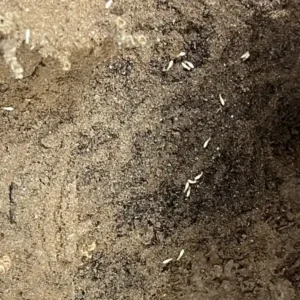
Drywood termites thrive in dry, healthy wood. They don’t need soil or moisture to survive. These termites create small tunnels and leave behind tiny pellets. Dampwood termites, by contrast, require moist, decaying wood. They are larger and feed slowly, hollowing wood but needing wet conditions to thrive.
Should You Worry About Dampwood Termites?
Yes, when wood remains wet. They may not destroy foundations, but they can degrade beams, flooring, decks, and wooden structures. Fixing water issues and removing water‑damaged wood helps prevent ongoing risks. Professional intervention helps identify and address hidden damage.