
In Florida, while many businesses focus heavily on fly control during the summer, the start of the year is one of the best opportunities to reinforce sanitation routines, reset maintenance practices, and tackle the hidden buildup that accumulates during busy periods. A strong January deep clean helps food facilities reduce pest activity well before rising spring temperatures bring increased humidity and more intense operational demands.
Whether you manage a restaurant, cafe, hotel or any business that has food as part of its service, starting the year with a structured deep clean sets a stronger baseline for hygiene, supports year-round prevention, and helps reduce the conditions that allow pests to gain a foothold.
How Early-Year Maintenance Reduces Year-Round Pest Pressure
Florida never truly experiences a dormant pest season. Winter simply shifts activity indoors, where warmth, moisture, and food are readily available. Establishing a structured deep-cleaning routine in January strengthens sanitation standards well ahead of the seasonal increase in humidity.
Why Florida Kitchens Benefit from a January Reset
Florida kitchens experience a unique blend of conditions that make early-year maintenance especially valuable. Even during winter, many facilities still contend with condensation pockets, persistent moisture beneath sinks, and warm conditions behind equipment. These factors create small but consistent opportunities for pests to settle and flourish. January naturally provides more operational breathing room, allowing teams to focus on the areas that are harder to reach during peak service.
Some of the most common winter challenges include:
- Condensation forming on pipes, vents, and cold-water lines, which drips into hidden areas.
- Moisture collecting under dish stations or prep sinks, especially when seals begin to loosen.
- Grease and debris building up behind hot equipment after busy holiday periods.
Addressing these issues now leaves kitchens better prepared to manage the pest pressure that returns with spring humidity.
High-Impact Deep Cleaning Tasks for Florida Kitchens
A meaningful early-year deep clean targets areas with the greatest influence on sanitation and pest activity. These are often not the surfaces handled in daily cleaning cycles, but the places where residue accumulates slowly and remains undisturbed.
Clearing Grease and Organic Buildup
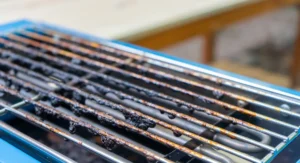
Hidden grease and organic matter around fryers, grills, and equipment edges are among the most common attractants for cockroaches. In Florida’s warm climate, these areas stay active even in winter. Pulling equipment forward, lifting shelving where possible, and thoroughly degreasing these zones removes the residue layers that gradually support pest activity. This helps strengthen the overall sanitation baseline once daily routines resume.
Restoring Drain and Sink Hygiene
Drains often become hidden sources of odor and moisture-driven pest activity. Film inside pipes, residue in P-traps, or mild blockages can create environments that encourage drain flies and roaches.
A January drain reset should include:
- Cleaning pipe interiors and removing organic sludge that remains after routine rinsing.
- Ensuring P-traps are filled and functional to prevent odor and gas escape.
- Checking for worn seals, cracked pipes, or areas where moisture collects beneath sinks.
With these tasks completed early, facilities are better positioned to prevent recurring issues as temperatures rise. When recurring drain or moisture-related fly issues appear in these areas, our commercial fly exterminator services provide targeted support that helps kitchens reduce activity and maintain more consistent sanitation standards.
Refreshing Storage and Inventory Areas
Storage spaces often show the effects of busier seasons. Damp cardboard, older packaging, and the dust and residue that collect behind stored goods all create environments that attract pests.
A focused January refresh may involve:
- Discarding wet or damaged packaging that absorbed moisture during busy months.
- Cleaning behind shelving, cold storage units, and dry-good areas where crumbs and dust settle.
- Reviewing product rotation to reduce staleness and improve visibility for regular checks.
These improvements not only support sanitation but also make it easier to monitor for early pest indicators.
Structural and Moisture-Related Tasks That Support Pest Prevention
In Florida, structural conditions and moisture control play as significant a role in pest prevention as cleaning routines do.
Addressing Condensation and Leaks
Moisture drives a large portion of Florida’s pest pressure. Even minor condensation. Whether caused by airflow imbalances, aging insulation, or refrigeration lines, it creates lasting dampness in hidden areas. Looking closely at HVAC components, dishwashing zones, and plumbing lines at the start of the year helps facilities prevent pests from settling before peak humidity season begins.
Strengthening Waste Handling Areas
Waste-handling zones can become high-risk areas if not refreshed regularly. Grease residue around dumpsters, cracked lids, and debris near compactor pads are all attractants that quickly escalate pest pressure around kitchens.
A January review of waste systems provides an opportunity to rebuild routines, clean surrounding areas, and reinforce waste storage practices so pest activity is less likely to develop later in the year.
Where Pests Hide in Florida Kitchens
Some of the most consistent pest pressures come from areas that are rarely seen. Warmth, moisture, and organic residue combine to create ideal nesting spots behind appliances, beneath flooring transitions, and inside structural voids.
Hidden Spaces That Need Early Attention
Cockroaches and rodents often take advantage of quiet, warm areas where routine cleaning doesn’t reach. Moving equipment and inspecting utility lines during a January deep clean helps teams expose and resolve issues before pests establish pathways.
Common examples include:
- Gaps around utility penetrations where pipes enter walls or flooring.
- Small openings behind equipment where heat and moisture create shelter.
- Loose weather stripping on exterior doors or loading areas that rodents exploit.
Correcting these issues early in the year helps prevent pests from gaining a foothold before busier seasons return. When early signs of rodent activity begin to appear in hidden areas, commercial rodent control services help identify entry points, remove active issues, and reinforce long-term structural protection.
How Professional Services Strengthen Early-Year Preparation
Even well-managed kitchens benefit from the oversight and trend monitoring provided by a commercial pest management partner. A professional review adds depth to the January sanitation reset by identifying vulnerabilities related to structural integrity, moisture levels, and pest activity patterns.
This information helps facilities plan ahead and focus resources where they matter most. Partnering with a commercial provider also ensures you’re supported with an integrated program that addresses both sanitation and structural concerns. Our commercial pest control services are designed to help food facilities manage seasonal pressures and maintain consistent standards year-round.

Schedule Your Early-Year Sanitation Assessment
A strong early-year reset provides Florida restaurants with a clean, organized, and more controlled environment as humidity returns. Addressing deep cleaning, moisture control, structural reinforcement, and hidden sanitation gaps now helps kitchens maintain stronger standards and reduce disruptions throughout the year.
Contact Florida Pest Control to schedule your early-year kitchen sanitation assessment and build a more resilient operation for the months ahead.