
Even though most spiders living in Florida are harmless, it’s easy to see why they are so feared. Beyond the false assumption that many are dangerous, spiders are sneaky, odd-looking, and reproduce in large numbers, which makes them a challenging pest. Quite often, the first instinct for property owners is to grab a broom or pick up a store-bought spray to zap or remove individuals one by one, but these are only short-term solutions.
To truly reduce spider activity, it helps to understand why they’re present, what draws them in, and when to call in professional help. If you are finding webs all over your property or suspect a dangerous species is lurking, it’s probably time to call the experts.
Spider Removal Process
Trying to deal with spiders alone can be frustrating and distressing, especially if you suffer from arachnophobia. Professional spider control services use a structured approach tailored to your circumstances and property weaknesses.
Step 1: Assessment and Identification
Not all spiders are alike; some are harmless house spiders, while others, like black widows or brown recluse spiders, are venomous and require careful handling. We identify the species to determine the threat level and look for other clues, like cracks in walls, that may serve as entry points.
Step 2: Precision Treatment Plan
Florida Pest Control technicians target hotspots, clearing spider webs and egg sacs, sealing gaps around windows and doors, and applying sprays or traps in problem areas. Property owners can try similar DIY measures of sipder prevension, but trained experts ensure the work is thorough and reliable.
Step 3: Long-Term Prevention
Our professional services at Florida Pest Control often include follow-ups, because one-time treatment is rarely enough. Long-term spider control focuses on prevention for ongoing peace of mind. Reducing clutter, limiting insect prey, and maintaining a dry, well-sealed building are essential to spider control.
Identifying Spiders
Florida spiders are more frightening than dangerous, and many help reduce other pests found in buildings. Nevertheless, identification is necessary to separate the benign from the venomous to prevent accidental bites and allergic reactions. Experts can help if you’re unsure what you’re dealing with. The main species to be aware of include:
- Black widows: Glossy black with a red hourglass on the abdomen; venomous and best left to professionals.
- Brown recluse spiders: Light brown with a violin-shaped marking; also venomous and reclusive, often hiding in storage areas.
- Wolf spiders: Large, hairy spiders that hunt on foot rather than spinning webs.
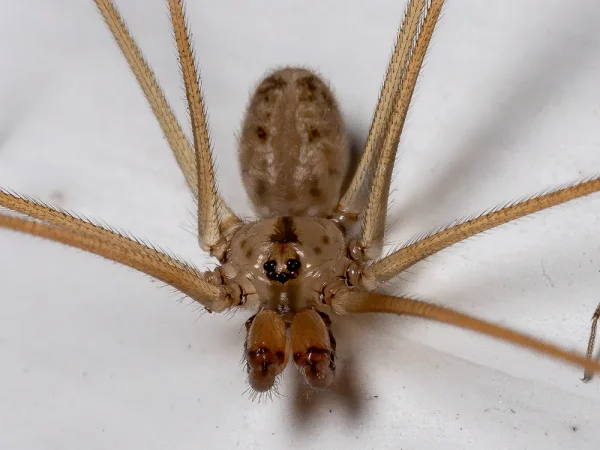
- House spiders and orb weavers: Common, mostly harmless, and often mistaken for more dangerous species.
Removing Spiders and their Webs
For harmless spiders, physical removal is often enough. Always avoid handling spiders directly with your hands, especially if you’re unsure whether the species is venomous.
Here are some standard methods for physical removal:
- Vacuuming: A vacuum cleaner with a hose attachment is effective for removing spiders, webs, and egg sacs from hard-to-reach areas like corners, ceilings, and behind furniture.
- Container and Paper Method: For individual spiders, place a glass or container over the spider, then slide a piece of paper or cardboard underneath to trap it. You can then release the spider outdoors, away from your home.
- Broom or Duster: A broom or duster can be used to remove webs and spiders on walls or ceilings. Regular cleaning of outdoor areas, such as eaves and porches, reduces long-term buildup.
- Sticky Traps: While not a direct removal method, sticky traps can be placed where spiders are frequently seen to catch them. These are particularly useful for monitoring spider activity.
Remember, if you suspect a spider is venomous or you’re dealing with a large infestation, it’s always best to contact a local spider exterminator in Florida.
Looking for a Spider Infestation
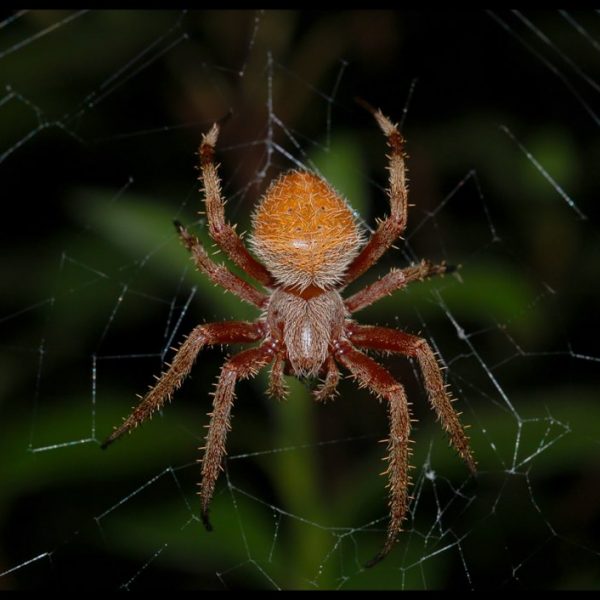
A spider infestation can be caused by an underlying issue, such as damp or moisture buildup that appeals to spiders. The following are key signs of an active or potential spider problem:
- Spider webs: Some spider webs are funnel-shaped, while others are messy, irregular tangles found in secluded corners. The presence and type of webs can offer clues about the species and the extent of the infestation.
- Moisture: Spiders are attracted to damp areas because these are often breeding grounds for the insects they prey on. Look for excess moisture in basements, bathrooms, crawl spaces, and other humid areas.
- Burrows and cracks: Spiders seek out secluded spaces for shelter and to lay eggs. Gaps around your foundation, cracks in walls, or openings in siding provide perfect entry points and hiding spots.
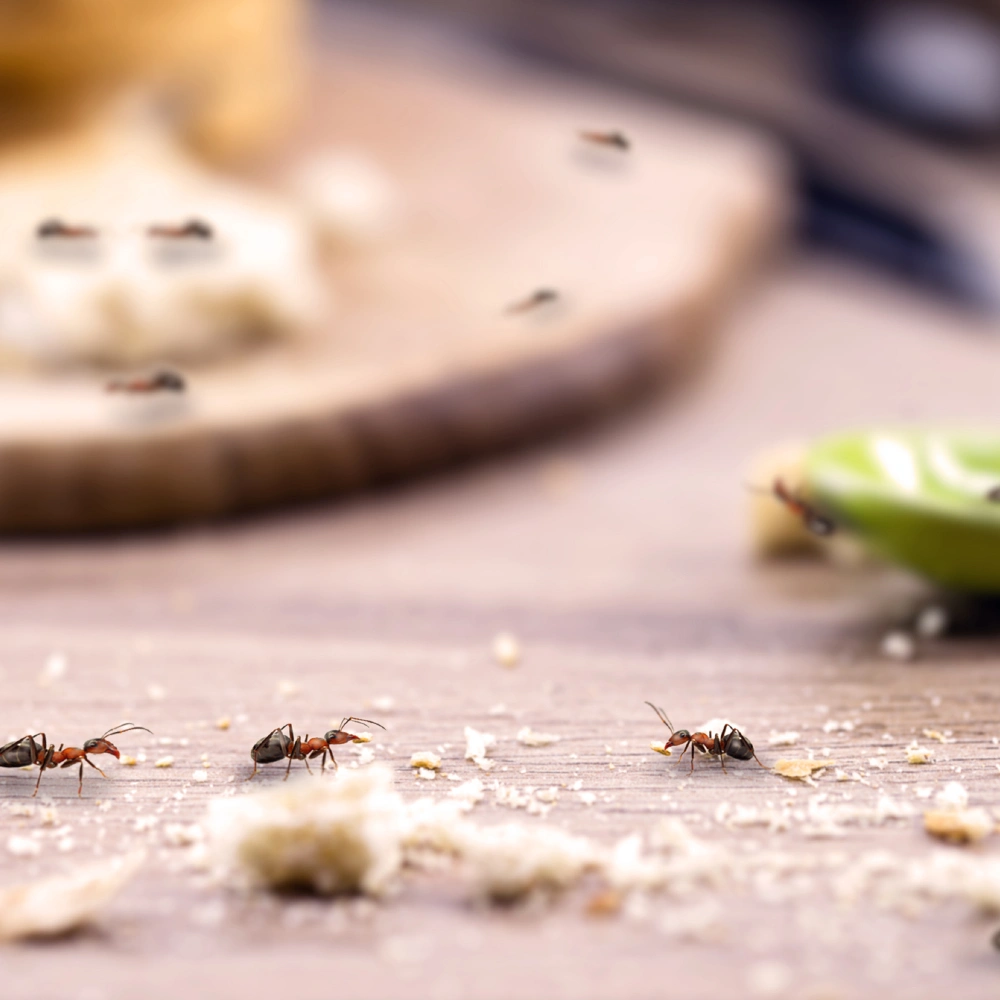
- Other pest infestations: If you’re dealing with an abundance of other small insects like ants, flies, or roaches, spiders will naturally follow, taking advantage of a readily available food source. Addressing these primary pests can significantly reduce spider activity.
Getting Rid of Spider Eggs
Spider eggs can contain dozens of spiderlings, ensuring infestations rapidly escalate. Therefore, prompt removal and disposal are crucial to preventing a population boom.
- Locate and Remove: Egg sacs are usually small, round, and covered in a silken casing. Search for egg sacs in secluded areas like corners, under furniture, or in undisturbed clutter. Some spiders even hide them behind wall hangings or in the folds of curtains. Regular inspection of these areas can help you spot sacs before they hatch.
- Safe Disposal: Once found, egg sacs should be handled with care to avoid breaking them open. Use a vacuum cleaner with a hose attachment to remove the sac without touching it directly. You can also gently pick it up using a tissue or disposable glove. Always seal the sac in a plastic bag before throwing it away in a closed outdoor trash bin. Avoid crushing the sac indoors, as this may release spiderlings. After removal, clean the area with soap and water to remove any remaining silk or scent trails that could attract more spiders.
How to Repel Spiders Naturally
Homeowners and commercial property managers often search for natural methods for spider removal, especially if they prefer to limit chemical sprays that can cause respiratory issues and may require temporary closures. As an alternative, common DIY approaches include:
- Essential oils: Peppermint, eucalyptus, and citrus oils can deter spiders when diluted with water and sprayed near baseboards, cracks, and entry points.
- Vinegar: Its strong smell repels many insects and spiders when sprayed in problem areas.
- Cedar: Chips, blocks, or sachets can discourage spiders in closets and storage areas.
These remedies can help reduce spider activity, but not usually for long. At Florida Pest Control, our local spider exterminators emphasize safety while prioritizing non-toxic solutions when possible. Our proven approach ensures long-lasting protection.

How to Keep Spiders Away
If you need pest control for spiders today, contact your local pest control company. Florida Pest Control is proud to have served the state of Florida for over 70 years, steadily refining our processes to deliver an exceptional spider removal service.
Our expertise extends to implementing robust preventative measures that complement your pest control strategy. We focus on identifying and sealing potential entry points, reducing attractants, and offering ongoing maintenance advice. This proactive approach minimizes the chances of recurrence.
Getting Spider Control Services
Home remedies and sprays may reduce spider sightings temporarily, but they often don’t address the bigger issue: why spiders are there in the first place. At Florida Pest Control, we understand the climate, the species, and the challenges of Florida spider infestations better than anyone. From wolf spiders in your garage to black widows in your shed, our licensed experts use proven methods to protect your family and property.
If you’re tired of seeing spider webs, worried about venomous species, or simply want peace of mind, professional help is just a call away. Contact Florida Pest Control today to schedule an inspection and learn how our experience and expertise can keep your home free from spiders.