
What Homeowners Should Know
Florida’s warm, humid climate has always made it a primary target for termites, but recent data suggests that the pressure on local homes is evolving. According to a December 2025 report published by the National Institutes of Health (PMC), researchers have documented significant shifts in the foraging behavior and nesting habits of invasive termite species in Florida. These findings indicate that colonies are becoming more resilient and aggressive in their search for cellulose-rich structures, meaning your home is a top target.
With termite activity on the rise, waiting for visible damage is no longer a viable strategy. Because these pests often feed behind drywall and under floorboards, the “silent destroyer” can go unnoticed for years.
Why Termite Activity Is So Common in Florida
The combination of Florida’s consistent moisture levels and the spread of aggressive subterranean species has created a “perfect storm” for property owners. This isn’t just a seasonal concern; it is a year-round threat that requires proactive management. If you haven’t had your home inspected in the last 12 months, your property may be at a higher risk than you realize.
Although Florida recently experienced colder winter temperatures in some areas, these cold periods are typically brief. Termites can survive by moving deeper into soil or sheltering inside protected areas of structures.
Several environmental factors contribute to termite activity across Florida:
- Prolonged warm and humid weather that supports termite colony growth
- Rainfall and storm-driven moisture that can increase humidity around structures
- Soil conditions that allow subterranean termites to travel and establish colonies
- Expanding populations of invasive termite species that adapt well to Florida’s environment
Because termites feed on wood and other cellulose-based materials, residential properties naturally provide potential food sources. For a complete list of what to look for, you can view our guide on what termite damage looks like.
How Termite Activity Patterns Are Changing Across Florida
Researchers and pest professionals continue to study how weather patterns and environmental conditions influence termite behavior. Rainfall, humidity, and temperature shifts can affect swarm timing and termite dispersal activity.
While colder temperatures may temporarily reduce visible termite movement, termite colonies often remain active below ground or within structures. Because termite activity varies by property, routine monitoring helps homeowners stay aware of potential risks.
Why Termites Often Go Undetected in Homes
Termites typically live underground, inside walls, or within structural wood, allowing colonies to grow while remaining hidden. Because termites avoid exposure to light and open air, visible warning signs may not appear until colonies have been present for some time.
Many termite concerns are first identified through professional inspections or monitoring programs rather than obvious structural damage. Homeowners interested in learning more about visual termite indicators can explore Florida Pest Control’s termite damage resource center.
What Termite Swarms Can Tell Homeowners About Local Activity
Termite swarms are one of the most visible signs of termite activity in an area. Swarms typically occur during warm, humid weather when reproductive termites leave established colonies to form new nesting sites.
Swarm activity does not necessarily mean termites are inside a home, but it often indicates termite colonies are present nearby. Monitoring swarm patterns helps pest professionals track seasonal termite behavior.
Why Termite Monitoring Matters for Florida Homes
As termite activity patterns continue to shift alongside changing weather conditions, monitoring remains an important part of home maintenance in Florida.
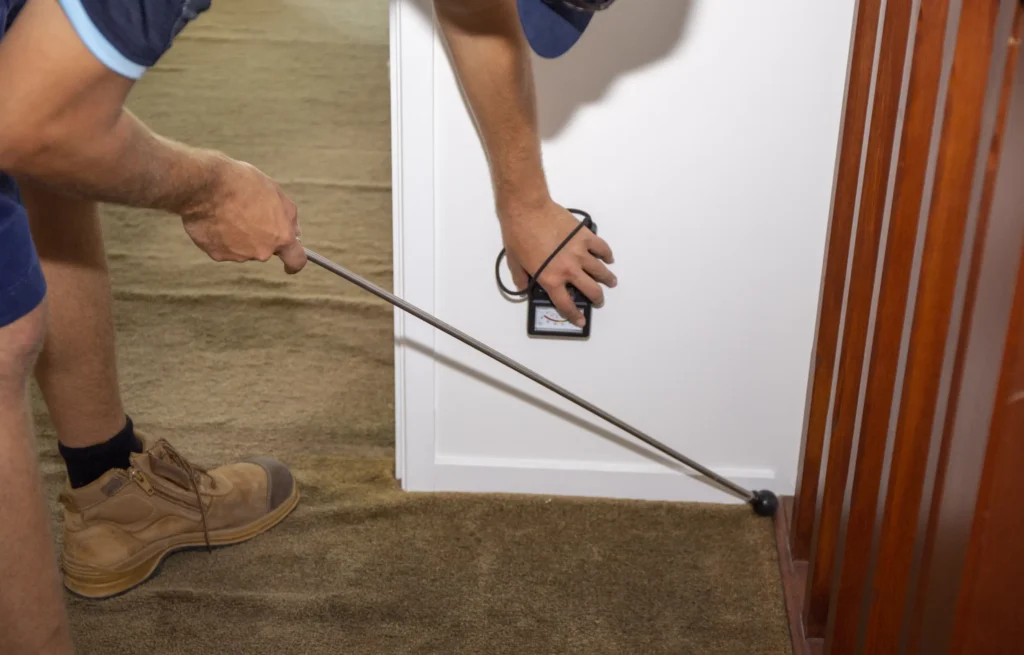
Routine professional evaluations help identify termite activity before structural damage progresses, even when visible warning signs are not present. Early detection is especially valuable when environmental conditions support termite dispersal or colony growth.
Each home presents different termite risk factors, including moisture levels, landscaping design, construction materials, and soil conditions. Evaluating these factors allows protection strategies to be tailored to individual properties and helps homeowners stay aware of potential termite risks over time.
How Florida Pest Control Helps Homeowners Stay Ahead of Termite Activity
As termite activity evolves across Florida, professional termite services focus on helping homeowners stay informed and prepared through inspections, monitoring, and customized protection planning.
Florida Pest Control technicians evaluate property conditions, identify termite risk factors, and recommend protection strategies based on local termite activity patterns. These services help homeowners make informed decisions about protecting their property investment over time.
Protecting Your Investment
The cost of a professional inspection is a fraction of the potential thousands of dollars required for structural repairs. Florida Pest Control provides termite inspections and protection plans designed specifically for Florida homes. Whether homeowners have noticed termite activity nearby or want reassurance that their property is protected, professional evaluations help identify termite risks and support long-term home protection planning.
Contact the team at Florida Pest Control today and schedule a free inspection.
Frequently Asked Questions
Are Termites Worse In Certain Parts Of Florida?
Termite activity can vary depending on climate, moisture levels, and construction types, but termites are found throughout Florida. Coastal areas, regions with higher humidity, and areas with sandy soil conditions may experience increased subterranean termite activity. However, no area of Florida is completely free from termite risk, which is why routine inspections are recommended statewide.
Do Termites Only Affect Older Homes?
No. Termites can infest both new and older homes. New construction homes may still be vulnerable if moisture is present or if preventative termite protection measures are not maintained. Termites are attracted to wood materials regardless of a home’s age.
Can Landscaping Attract Termites To My Home?
Certain landscaping materials can increase termite attraction. Wood mulch, decorative timbers, tree stumps, and wood fencing placed close to foundations may create conditions that termites prefer. Maintaining space between landscaping materials and your home’s exterior can help reduce risk.
Can Termites Spread From One Home To Another?
Subterranean termites can establish colonies underground and travel across properties through soil or landscaping features. Drywood termites may spread through swarming activity when reproductive termites establish new colonies nearby. Homes located near termite activity may face increased risk if preventative measures are not in place.
Does Regular Pest Control Protect Against Termites?
General pest control services typically focus on insects such as ants, spiders, and roaches. Termite protection requires specialized inspection methods and treatment systems designed specifically for termite behavior. Homeowners often benefit from dedicated termite protection plans separate from standard pest services.