
How Do Termites Spread?
Termites are silent invaders capable of causing damage to homes and structures. But how do termites spread? Understanding their origins, behaviors, and how they spread can help with the prevention and control of these insects.
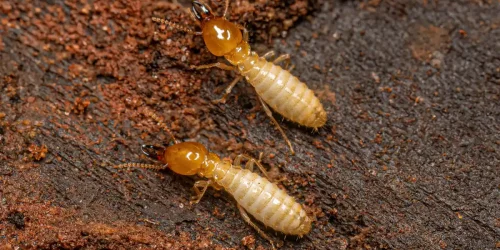
Where Do Termites Come From?
Let’s take a look at where termites come from and how they make their way into our homes.
Natural Habitats
Termites are found in the warmer parts of the world, and they can thrive in many environments, unless the environment is very cold or at high altitude, like in Northern Europe and parts of Canada. Subterranean termites build nests underground, requiring moist soil to survive. They often live in areas with abundant wood and moisture, such as forests and grasslands. Drywood termites, on the other hand, live directly within dry wood, including dead trees and structural timbers, without needing contact with soil.
Check out our explainer for more information on the life cycle of termites.
Entry Points Into Homes
Termites infiltrate homes through multiple avenues. Subterranean termites commonly enter via wood-to-ground contact points like porch steps or deck posts. They can also exploit cracks in foundations and brick mortar. Drywood and dampwood termites may gain access through attic vents, beneath roof eaves, or cracks around windows and door frames.
Common Ways Termites Travel and Spread
Termites can spread relatively quickly and in many different ways. Depending on the species, they may move above ground, underground, or directly through structural materials. Even without visible signs, their ability to reach new areas makes them a persistent threat to buildings.
Swarming and Colony Expansion
During certain seasons, mature termite colonies produce alates (winged reproductive termites) or swarmer termites. These winged reproductives leave the nest to mate and establish new colonies. Swarming typically occurs in spring or early summer, depending on the species and climate.
Tunneling Through Soil and Wood
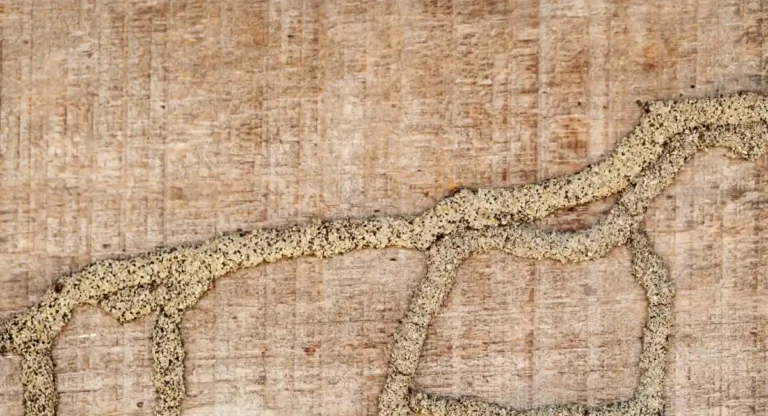
Subterranean termites construct extensive networks of mud tubes to travel between their nests and food sources (cellulose in wood and other material). These tubes protect them from predators and maintain the necessary humidity levels. Their ability to tunnel through soil and wood allows them to access and infest structures undetected.
Cracks and Structural Gaps
Termites can exploit even the smallest crack or gap in a building’s structure. Drywood termites may enter through unscreened vents or gaps around windows, while subterranean termites often use foundation cracks to gain entry. Once inside, they can establish a termite colony and begin causing damage.
Do You Have a Termite Problem? We Can Help.
Click the button below to leave your information & we'll be in touch in an hour or less.
Get a FREE quoteDo Termites Spread From House to House?
Do termites spread from house to house? If so, what are the risk factors? They often go unnoticed until damage is already done, especially in areas where homes are close together. Spotting the warning signs early and understanding what makes your property vulnerable can make monitoring termite activity easier.
Neighboring Property Infestations
Termites can absolutely spread from one property to another. Subterranean termites may travel through connected soil or use underground tunnels to reach neighboring structures. Other termite species can infest furniture or wooden items, which, if moved, can introduce a termite problem to new locations.
Risk Factors for Termite Spread
Several factors increase the risk of termite spread between homes:
- Proximity to an infested property
- Shared wooden structures or fences
- Poor drainage or moisture issues
- Accumulation of firewood or debris near the home
Regular inspections and prompt treatment of infestations can help to prevent termites from spreading.
How Fast Do Termites Spread?
Termites can pose a threat to structures, but how fast can they spread, and what does this mean for termite control?
Colony Growth Rate
The growth rate of a termite colony varies by species. A queen termite can lay thousands of eggs annually, leading to rapid colony expansion. Subterranean termites can form colonies of hundreds of thousands within a few years. As the colony grows, so does its need for food, increasing the likelihood of structural damage over time.
Speed of Structural Damage
The rate at which termites cause structural damage depends on the colony size and species. Formosan subterranean termites, for instance, are known for their aggressive feeding habits. The threat of termites isn’t necessarily the speed at which they can destroy wood, but the fact that they can go unnoticed in doing so. This means that a colony can gradually eat away at a structure for years, causing the damage over a long period of time.
How to Stop Termites From Spreading
If you’ve never dealt with a termite infestation before, knowing how to stop termites from spreading can be difficult. With a pest that can cause damage like termites can, relying on professional termite control is recommended.
Early Warning Signs
Identifying the early signs of a termite infestation is crucial. Here’s what to look for, or if you’re not able to, what a termite exterminator might look for:
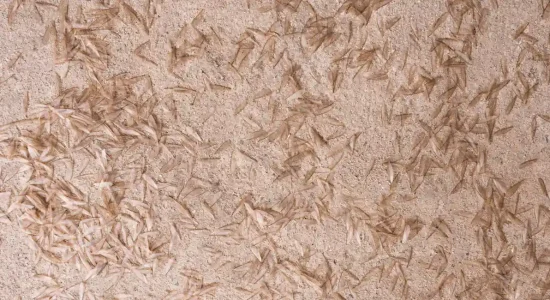
- Discarded wings near windows or doors
- Presence of mud tubes on walls or foundations
- Hollow-sounding or damaged wood
- Accumulation of frass (termite droppings)
Early detection through routine inspections makes it easier to take action before damage occurs.
DIY Prevention Tips
While DIY methods may be ineffective at treating an established infestation and may even prolong it, there are steps you can take at home to help prevent one:
- Maintain proper drainage to avoid moisture accumulation
- Keep wood, mulch, and debris away from the home’s foundation
- Seal cracks and crevices in the building’s exterior
- Use termite-resistant materials during construction or renovations

Professional Treatment
For active infestations or in high-risk areas, seek help from pest control experts. Professionals can conduct thorough termite inspections, assist with termite identification, and recommend appropriate termite treatment options, such as soil and liquid treatments, bait systems, or fumigation. Relying on a reputable pest control company like Florida Pest Control can help manage infestations and help to prevent them from returning.
Need Help With Termites? We Can Help!
If you’re concerned about termites or suspect an infestation, don’t wait. Contact our experienced team today for a comprehensive inspection and tailored treatment plan. Help protect your home from the silent threat of termites with our expert services.