
Need Termite Control?
"*" indicates required fields
What Does a Termite Infestation Look Like?
Quick Facts About Termite Infestations
- Termites are drawn to moisture, warmth, and easy access to cellulose-rich materials like wood.
- Crawl spaces, basements, poorly ventilated areas, door frames, and baseboards are especially vulnerable to termite damage.
- Early signs of a termite infestation include frass, hollow or weakened wood, wood floor blisters, bubbling or cracked paint, and tiny holes in drywall.
- Swarming termites often indicate a mature colony nearby or inside the home, especially during spring and early summer.
- Drywood termites can infest wooden furniture by entering through small cracks, living entirely inside the wood, and going unnoticed for long periods.
What Causes Termite Infestations?
A combination of a reliable food source (cellulose in materials like wood) and the right conditions can cause a termite infestation. Termites are opportunistic pests, drawn to areas with moisture, warmth, and easy access to wood or other cellulose-rich materials. Understanding these key factors can help homeowners spot potential risks early and take steps to prevent infestations.
Common Conditions That Attract Termites
Moist soil, leaking pipes, and clogged gutters can keep areas damp, which termites love. If wooden structures touch the ground or there’s sawdust near your home, you could be inviting termites in. Even stacks of firewood or mulch too close to the home can trigger termite activity.
Areas of the Home Most Vulnerable to Termites
Termites tend to target crawl spaces, basements, and spots with poor ventilation. They’re also known to weaken door frames, baseboards, and any exposed drywall. Over time, these areas may show signs of structural damage if they’re infested and a termite problem goes untreated. In reality, termites can live in a wide variety of spaces and conditions, depending on the species.
How to Stop Termites From Spreading
If you’ve never dealt with a termite infestation before, knowing how to stop termites from spreading can be difficult. With a pest that can cause damage like termites can, relying on professional termite control is recommended.
Signs of a Termite Infestation
If you’re dealing with a termite infestation, there are signs to look for. One of the dangers of termites, though, is that these signs can go unnoticed for a long time, either because you don’t know what to look for or because these signs are in inaccessible places. If you can’t look for these signs of a termite infestation, a termite control expert can look for you:
- Termite droppings. Also called frass, termite droppings look like small pellets and are often found near baseboards or windowsills. Their presence can be one of the early signs of a larger issue.
- Damaged or hollow wood. If wood sounds hollow when tapped or breaks easily, it could mean termites have eaten through it from the inside. This is a classic warning sign that should not be ignored.
- Blisters on wood floors. Raised areas or buckling in hardwood floors may signal termite tunneling underneath. This can sometimes be mistaken for water damage.
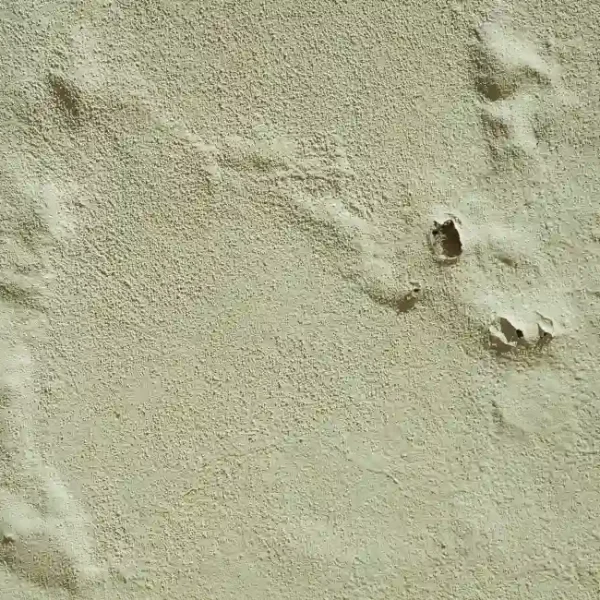
- Cracked or bubbling paint. When paint on walls begins to bubble or crack without any clear reason, it could be a sign of termites feeding beneath the surface.
- Small holes in drywall. Tiny pin-sized holes in your drywall might be caused by termites creating exit points.
Do You Have a Termite Problem? We Can Help.
Click the button below to leave your information & we'll be in touch in an hour or less.
Get a FREE quote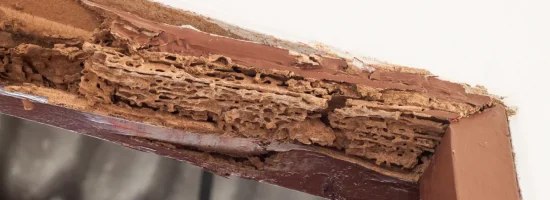
What Does an Active Termite Infestation Look Like?
How do you know if you have termites? An active infestation usually shows multiple signs at once, whether that be mud tubes, damaged wood, termite droppings, or even live termites themselves. These signs of termites often point to ongoing termite activity that needs attention.
Do Swarming Termites Mean an Infestation?
If you’ve ever wondered, “Do swarming termites mean infestation nearby?” The answer is often yes. Swarmers are usually a sign that a termite colony has matured and is trying to expand. Swarming behavior appears in the spring and the beginning of summer, but termites can remain active year-round in Florida.
What Swarming Termites Indicate
Swarmers mean that termites are reproducing and possibly creating new nests. These swarms can occur inside or just outside the home, depending on the termite species. While seeing a few swarmers doesn’t always confirm an active infestation, it’s often strong evidence that a mature colony is nearby or even within the structure itself.
When to Take Action After Spotting Swarmers
The moment you see swarmers, it’s time for a termite inspection. Waiting can allow the infestation to spread, and this might allow for more termite damage. Even if the swarm came from outside, it’s possible that termites are already active in hidden areas of your home. Acting quickly gives professionals a chance to assess the situation and recommend the right treatment plan before the colony has time to expand.
Can Termites Infest Furniture?
Termites can infest wooden structures, but is furniture safe? While it may seem unlikely, certain termite species can and do invade wooden furniture.
How Termites Invade Wooden Furniture
Drywood termites don’t need soil contact and often move into furniture directly through cracks or crevices. Once inside, they can hollow it out from within. Because they live entirely within the wood, they can go unnoticed for long periods.
Protecting Furniture From Termites
Keep furniture away from damp areas and inspect it regularly for signs of damage.
Do You Have a Termite Problem? We Can Help.
Click the button below to leave your information & we'll be in touch in an hour or less.
Get a FREE quoteHow to Treat a Termite Infestation
Some pest problems can be addressed with simpler solutions, but with a termite infestation, it’s best left to the professionals.
Immediate Steps to Take if You Suspect Termites
If you think you have a termite problem, reduce moisture sources and move wood away from your home. Document warning signs like droppings, wings, or damaged wood. This can be helpful information to relay to a termite control expert.
When to Call a Professional
The time to call a termite control expert is when you first spot signs of an infestation. The sooner a termite control technician can address the size and severity of the problem, the sooner they can help to address it. Our technicians are local and knowledgeable and can help put your mind at ease.
What to Do for a Termite Infestation?
Once you’ve spotted the signs of a termite infestation, knowing what steps to take and when can be important.
- Long-term termite control strategies. Ongoing monitoring, soil treatments, or bait stations are often needed to deal with different termite species, including Formosan termites and subterranean termites. Our technicians know exactly which treatment is needed and can implement it effectively. Regular inspections are key to avoiding repeat infestations; our technicians will check back to make sure the treatments are working and make adjustments if necessary.
- DIY methods vs. professional treatments. If you’re wondering how to treat a termite infestation, it might be tempting to try DIY methods first, but they rarely solve the root issue. In the time it takes to realize these methods aren’t working, the infestation may grow larger. For peace of mind and long-term results, it’s best to let us handle it.
Need Help With Termites? We Can Help!
Whether you’ve seen frass, swarmer wings, or signs of termite damage, acting fast matters. We offer expert inspections and tailored plans for pest control. Reach out today to learn how we can help protect your home from termites.