
When Is Termite Season in Florida? Key Info
Florida’s warm, humid climate creates ideal conditions for termites to thrive. Understanding when termite season in Florida starts and what to expect can help homeowners stay one step ahead.
When Do Termites Swarm in Florida?
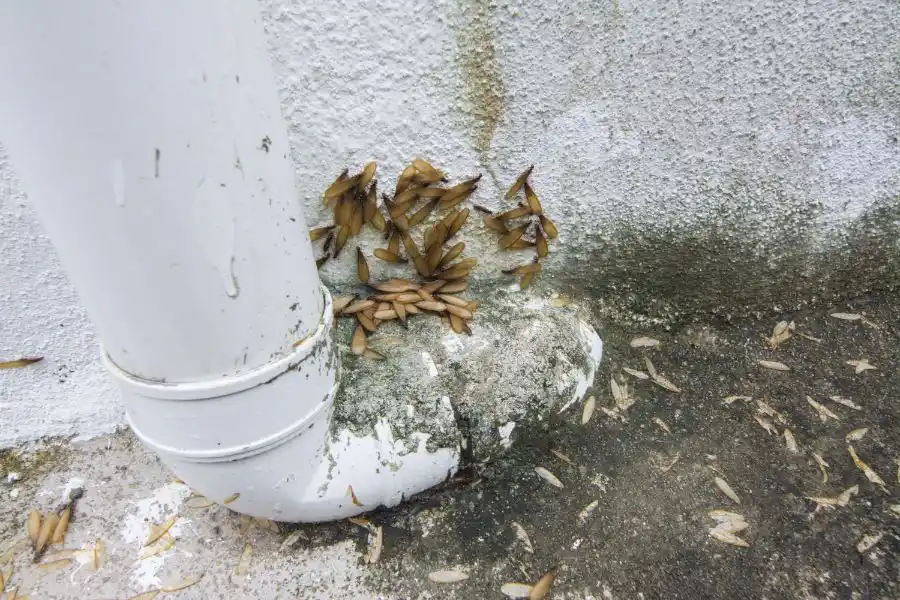
Swarming is how termites spread, and termite swarmers are a key sign that a termite colony is mature and expanding, but when do termites swarm? Knowing this can help you spot the warning signs before the damage spreads.
Spring Swarming
Swarming often begins in spring, especially on warm, calm days following rain. Florida termite swarming season typically kicks off in late spring, but this can vary based on termite type and location. Spotting a swarm of winged termites near windows or doors can be the first sign of an infestation. If you see discarded wings or live swarmers indoors, it’s a good idea to schedule a termite inspection.
Late-Season Swarms
Some termite species, like Formosan subterranean termites, continue swarming into the summer months. In South Florida, it’s not uncommon to see late-season swarms as late as July. These swarms usually occur at dusk or after sunset, especially around exterior lights. Persistent swarming around your home could signal a nearby colony and may require professional evaluation.
Do You Have a Termite Problem? We Can Help.
Click the button below to leave your information & we'll be in touch in an hour or less.
Get a FREE quoteWhat Months Are Termites Active in Florida?
- What months are termites active in Florida? While termite season in Florida peaks in spring and summer, colonies stay busy through fall and even late into the year during winter. During cooler months, termites burrow deeper into the soil or remain protected inside walls, continuing to cause damage unnoticed.
- When does termite season end in Florida? There’s no clear-cut end. Even if swarming slows, colonies keep feeding and expanding. That’s why regular termite inspections are so important.
Types of Termites in Florida and Their Swarming Patterns
Florida is home to several destructive termite types, each with its own swarming pattern. Knowing what to expect from each of these types of insect can help you identify and address a termite problem early.
Subterranean Termites
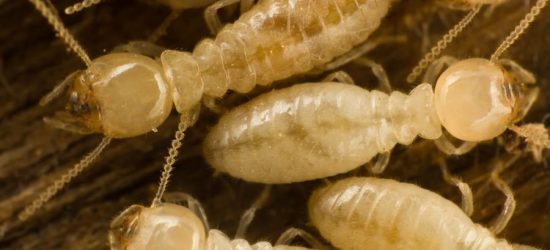
If you’re wondering when subterranean termites swarm, it’s typically spring, although some species swarm in the fall. These termites build mud tubes to move between their underground nests and food sources. The Eastern subterranean termites often swarm in daylight, while Asian subterranean termites tend to swarm at night.
Drywood Termites
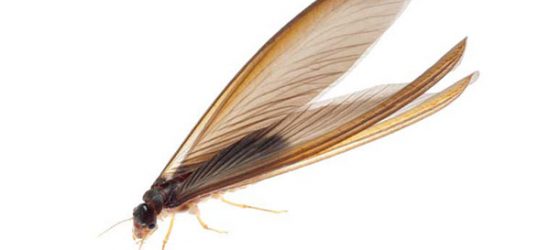
Drywood termites tend to swarm in the summer and early fall. Unlike other types, they don’t need contact with soil. These pests often infest attics, wall voids, and furniture. Their swarming season usually peaks between June and September. You might notice frass, or termite droppings, around windowsills and baseboards.
Formosan Termites
Formosan termites are a type of subterranean termite known for large termite colonies and aggressive feeding. Their swarms typically appear from late spring to early summer. These pests are especially common in Southeastern cities like Tallahassee and can cause termite damage in a short time.
Dampwood termites
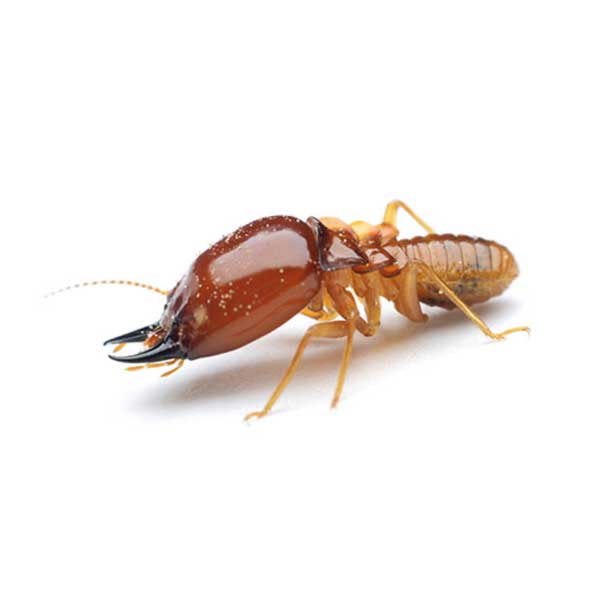
Dampwood termites are less common in homes but can still pose a threat, especially in areas with high humidity or wood that’s already wet or decaying. These termites don’t need contact with soil, and instead can target damp wood found in leaky basements, crawl spaces, or areas affected by plumbing issues.
They usually swarm during the summer months, especially in coastal or very moist environments.
Signs of a Termite Infestation
Catching termite activity early can help reduce damage and treatment costs. Keep an eye out for these common warning signs:
- Discolored drywall or paint that bubbles or peels
- Wood that sounds hollow when tapped
- Tiny pinpoint holes in drywall
- Groups of winged alate termites near lights or windows
- Discarded wings along windowsills or doorways
- Droppings (frass) around wooden furniture or baseboards
If you notice any of these signs, it’s time to call in a pest control company like Florida Pest Control for a professional termite inspection.
Do You Have a Termite Problem? We Can Help.
Click the button below to leave your information & we'll be in touch in an hour or less.
Get a FREE quoteHow to Protect Your Home From Termites
While termites can be hard to spot, there are simple steps homeowners can take to reduce the risk of an infestation:
- Schedule regular termite inspections, especially during peak termite swarming season
- Keep areas around your home dry and well-ventilated to reduce moisture
- Avoid direct wood-to-soil contact by using concrete or metal barriers
- Store firewood and mulch away from the house
- Consider preventive termite treatment options
These actions can make your home less attractive to termites, but they may not stop a termite infestation once it starts. For long-term protection, work with a trusted pest control provider.
Why Professional Termite Control Is Essential
A small issue can quickly grow into a serious infestation. Left unchecked, termites can damage wood structures, including floors, walls, and support beams. Working with a professional pest control company means you get expert insight and proven solutions. Depending on your termite issue, we offer detailed inspections, targeted treatments with termiticides, and more complex treatments like fumigation (tenting the property), as well as ongoing monitoring to help manage termite activity.. Professionals can also spot early signs that homeowners might miss, while ongoing protection can prevent future termite infestations.
Need Help With Termites? We Can Help!
Termite season in Florida never really ends. If you’re worried about termites, don’t wait. Whether you’re seeing signs of a swarm or just want a second opinion, we’re here to help.
Call us today to schedule an inspection or learn more about our termite control services. We’re here to help you protect your home, no matter the season.