
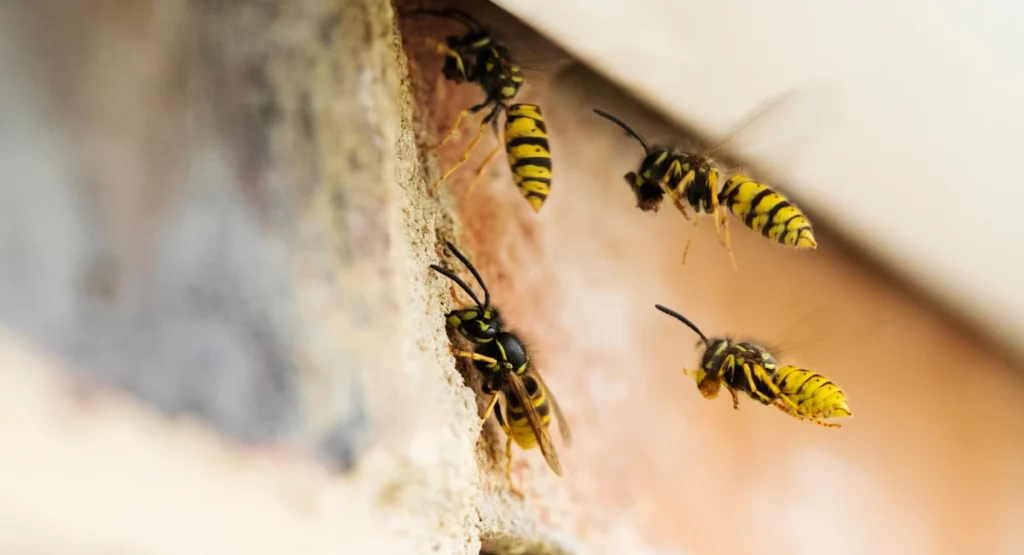
Quick Comparison: Wasp vs Bee
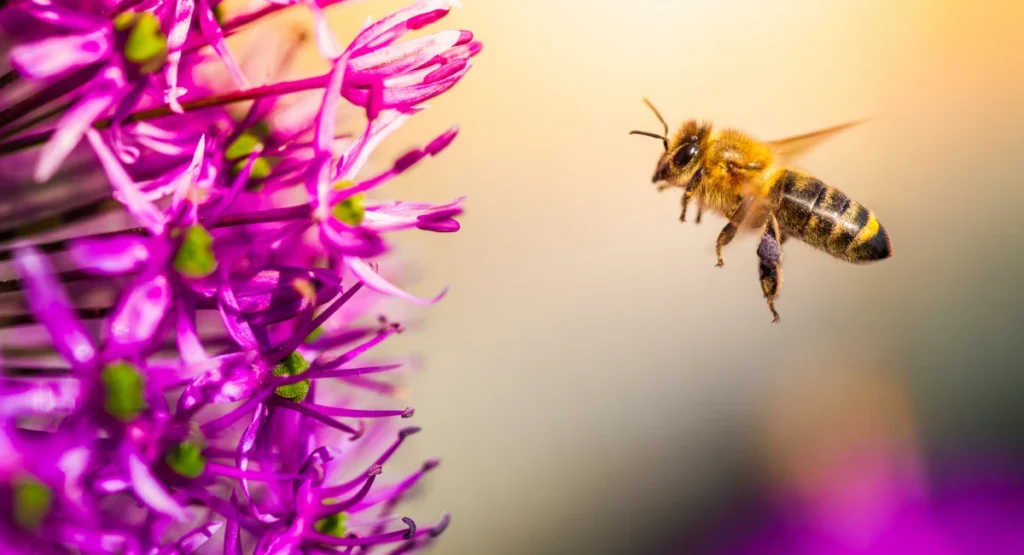
- Body: Bees are hairier and more robust, ranging from slender honey bees to round, fuzzy bumble bees. Wasps are slim, smooth, and shiny with a narrow, pinched waist.
- Color: Bees are typically golden-brown to amber. Wasps are usually bright yellow-and-black or reddish.
- Diet: Bees feed on nectar and pollen. Wasps are predators and scavengers, often drawn to meat, sugar, and garbage.
- Sting: Most bees sting once and die. Wasps can sting repeatedly.
- Behavior: Bees are generally docile pollinators. Wasps are more aggressive, especially near their nests.
The Difference Between Wasps and Bees
Apart from their physical appearance, the main difference between wasps and bees is their behavior and roles in the ecosystem. Learning to distinguish them quickly can help to prevent painful bee or wasp stings, which can be really bad news for vulnerable people.
Wasps
Bees
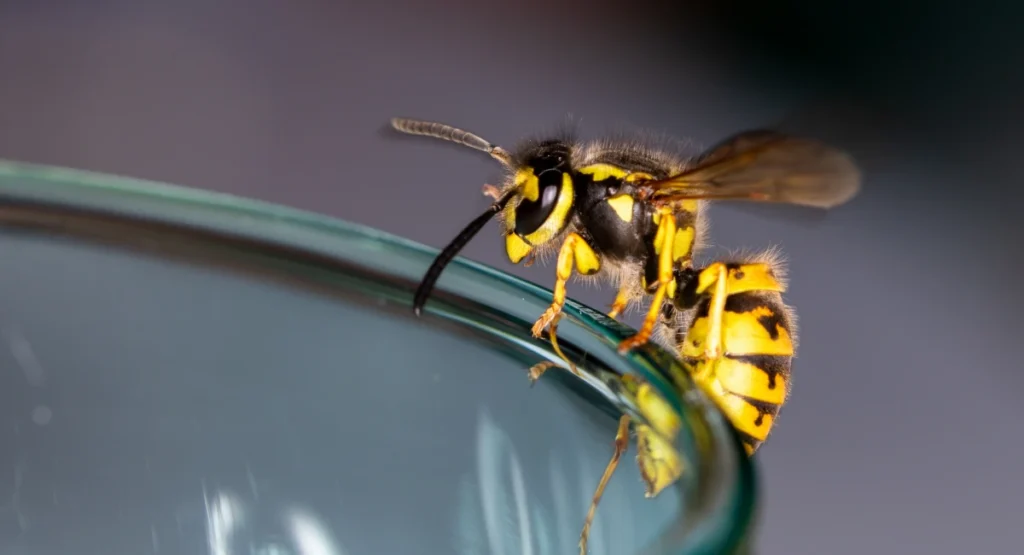
Wasps are slender, smooth-bodied stinging insects that are more aggressive than bees. Florida is home to several common types.
Bees are hairy pollinators that are vital to the ecosystem and generally far less aggressive than wasps. Common Florida species include:
Types:
Paper Wasp Types:
Paper wasps, yellowjackets, mud daubers, and hornets (a large type of wasp).
Types:
Bee Types:
Honey bees, bumble bees, carpenter bees, and Africanized "killer" bees.
Appearance:
Paper Wasp Appearance:
Slim body, pinched waist, smooth and shiny, bright
Appearance:
Bee Appearance:
Hairier than wasps, golden-brown to amber (honey bees are slender; bumble bees are round and fuzzy).
Habitat:
Paper Wasp Habitat:
Build nests under eaves, in wall voids, trees, and underground.
Habitat:
Bee Habitat:
Nest in hives, hollow trees, wall cavities, and (for carpenter bees) bored wood.
Behavior:
Paper Wasp Behavior:
Predatory and scavenging; drawn to protein, sugary drinks, and trash.
Behavior:
Bee Behavior:
Feed on nectar and pollen; focused on foraging, not confrontation.
Risks:
Paper Wasp Risks:
Can sting multiple times and become aggressive when their nest is threatened.
Risks:
Bee Risks:
Usually docile, but Africanized bees are highly defensive, and carpenter bees can damage wood.
Worried About Pests? We Are One Call Away.
Book your free inspection to get expert, local advice.Signs of an Infestation
Certain warning signs can help you decide whether you have a manageable nest that can be left alone or a growing colony that needs professional attention.
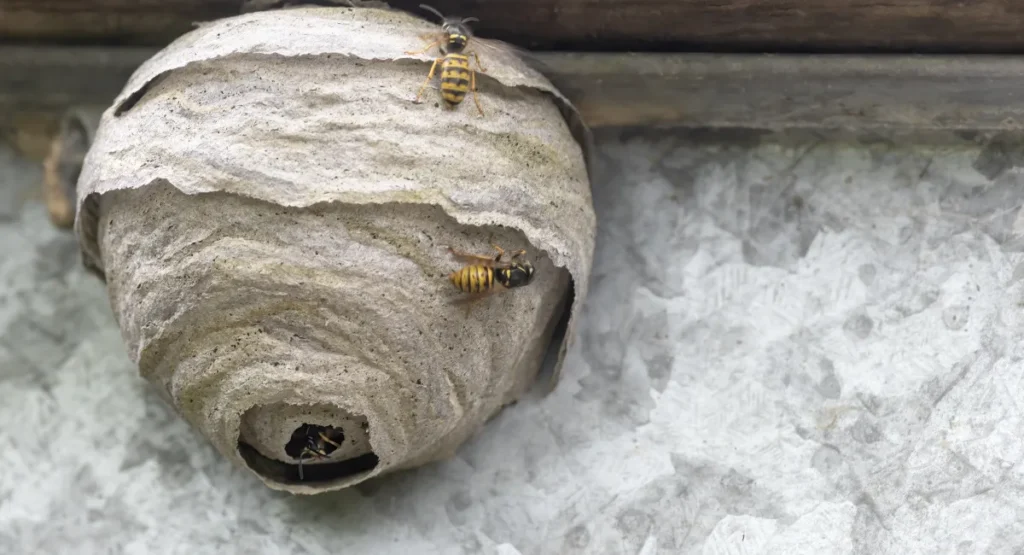
Signs of Wasps
Look for papery, umbrella- or football-shaped nests under eaves, in attics, or underground, along with steady wasp traffic in and out of a single spot. Increased activity around trash cans, patios, and food is another common giveaway.
Signs of Bees
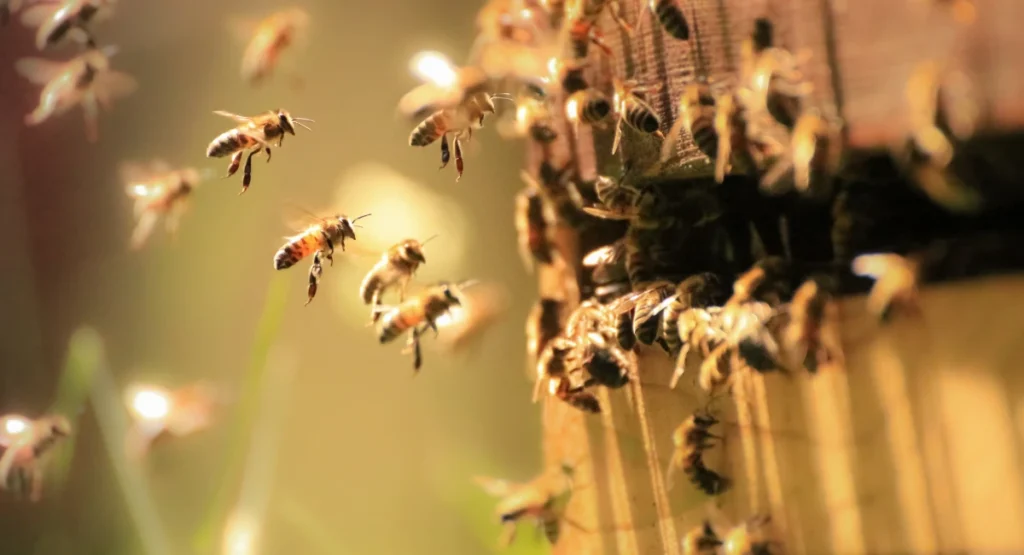
Watch for a steady stream of bees entering the same gap in a wall, soffit, or tree, along with a low humming sound and visible honeycomb or waxy buildup. For carpenter bees, look for round, pencil-sized holes bored into the wood, with sawdust below.
Prevention Tips
If you have a yard for outdoor dining or a garden with plants and flowers, you’ll inevitably come into contact with both wasps and bees from spring through to the fall. The following tips can help to limit human contact and the risk of stings:
- Fill cracks and gaps around eaves, siding, vents, and utility lines with sealants or high-grade caulk to prevent entry.
- Keep trash cans tightly covered and clean up food, spills, and sugary drinks outdoors.
- Repair torn screens and fill any wall or soffit openings where insects can enter.
- Crushing mint or eucalyptus leaves, or rubbing their foliage directly onto outdoor structures or seating, can temporarily deter wasps, as can citrus scents that confuse and overwhelm their receptors.
- Schedule professional inspections and remove small nests early, before aggressive colonies get too large.
Frequently Asked Questions
Which Sting Hurts More, a Bee or a Wasp?
Pain varies by person and species, but wasp stings are often sharper because they can sting repeatedly, while most bees sting once and lose their stinger. The bigger concern with either is an allergic reaction, which can require immediate medical attention.
Are Bees or Wasps More Dangerous?
Wasps are generally more volatile and can sting multiple times. However, Africanized “killer” bees are the exception in Florida—they defend their hives aggressively and in large numbers. Any nest near your property is worth treating with caution.
Should I Remove a Bee Nest or Leave It Alone?
Because bees are important pollinators, honey bee colonies should be relocated rather than exterminated when possible. However, nests inside walls, near entryways, or belonging to aggressive species should be handled by a professional to avoid stings and structural issues.
Can Carpenter Bees Damage My Property?
Yes. Unlike other bees, carpenter bees bore round tunnels into wood to nest—decks, eaves, fences, and siding are all at risk. A single season’s damage is minor, but repeated tunneling over the years can weaken wood and attract woodpeckers that make holes larger.
Why Do Wasps Keep Coming Back to the Same Spot?
Wasps leave behind scent cues that draw others back, even after a nest is removed. Blocking entry points, cleaning the area, and treating the site professionally helps stop them from rebuilding in the same location.
When Should I Call a Professional?
Call a professional if the nest is large, hidden in a wall or roof, near high-traffic areas, or involves aggressive wasps or Africanized bees. A licensed bees and wasps exterminator can remove or relocate them safely without putting your family at risk.
Wasp Control
When wasps build nests around your property, our expert bees and wasps exterminators safely remove nests and treat problem areas—stopping paper wasps, yellowjackets, and hornets before they threaten your family.
Bee Control
Florida Pest Control prioritizes safe relocation of beneficial honey bees while protecting your building from carpenter bee damage and aggressive Africanized colonies. Trust our team to solve the problem without harming vital pollinators.