
Quick Overview
- What is Neophobia: An instinctive fear of anything new, which keeps rodents away from unfamiliar traps.
- Why DIY traps fail: A brand-new trap trips their early-warning instinct, so rodents ignore it for days or weeks.
- The power of permanent monitoring: Stations installed early blend into the environment, so rodents approach them without suspicion.
- A rodent’s keen sense of smell: They detect odors from certain plastics we can’t, so materials must be field-tested.
- Prevention over “blitzing”: Proofing and connected monitoring catch problems early, beating chemical overkill.
You buy the trap, you bait it perfectly, and you place it exactly where you saw the mouse dart along the skirting board. And then… nothing. Days pass. The bait goes stale. The rodent, meanwhile, continues its nightly patrol just inches away, as if the trap were invisible.
This isn’t bad luck, and it isn’t a faulty product. You’ve just run headfirst into one of the most formidable survival instincts in the animal kingdom: neophobia. Let’s explore what this means with zoologist and rodent expert, Heather Martin.
The Fear That Keeps Rodents Alive
Neophobia is the fear of anything new or unfamiliar. In rodents, this isn’t a flaw; it’s a finely tuned survival mechanism. Research into rodent behavior has long documented the power of neophobia to shape what they will and won’t approach.
Heather explains: “Neophobia is essentially a fear of the unknown—a wariness of new things. It’s part of what makes rodents such successful pests, because they avoid wandering into areas they aren’t sure about, preferring instead to stick to their known paths.”
This cautious behavior gives them a competitive advantage. An animal that hesitates before touching anything unfamiliar is an animal that rarely eats poison, rarely springs a trap, and rarely makes a fatal mistake—and rats are especially wary.
“Instead of eating a new food right away, a neophobic rat takes tiny nibbles to test for toxicity before returning later. This also means they may avoid new equipment for up to two weeks.”
During that delay, a brand-new trap can sit completely ignored while the problem it was meant to solve multiplies and spreads to other areas of the building. This is something Florida Pest Control technicians see every day in homes and businesses across the state, where the subtropical climate lets rodent populations grow year-round.
Why the DIY Snap-Trap So Often Fails
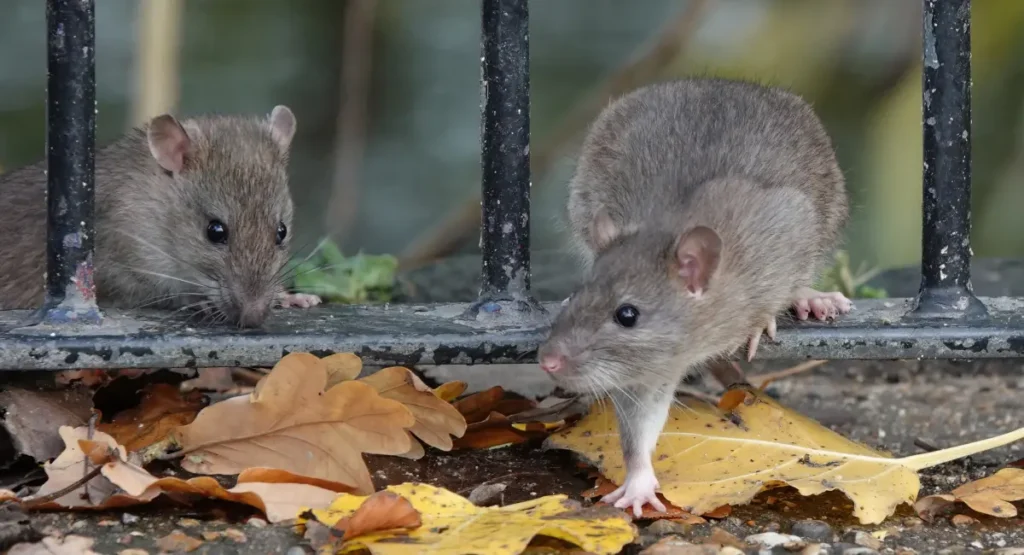
The knee-jerk reaction to seeing a rat is to buy and install a trap, but this works against rodent psychology rather than with it. The moment you introduce an unfamiliar object into its territory, you trigger the instinct that keeps it away.
“If we introduce a brand-new piece of equipment, such as a trap or monitoring station, rats will likely avoid it. They have an innate early warning system that tells them not to approach the object. By the time the rodent finally accepts the object as part of the furniture, a single breeding pair can already be well on its way to a population of dozens.”
In other words, despite your best efforts, you haven’t solved the problem—you’ve simply given the colony a head start.
Heather’s advice: “If you’re going the DIY route, you need to place traps, unset and unbaited, along walls and known runs for several days first, so the rodent gets used to them, then bait and set them only once they’ve become part of the scenery. It’s slower, but it’s more likely to work.”
The Counter-Move: Be There First
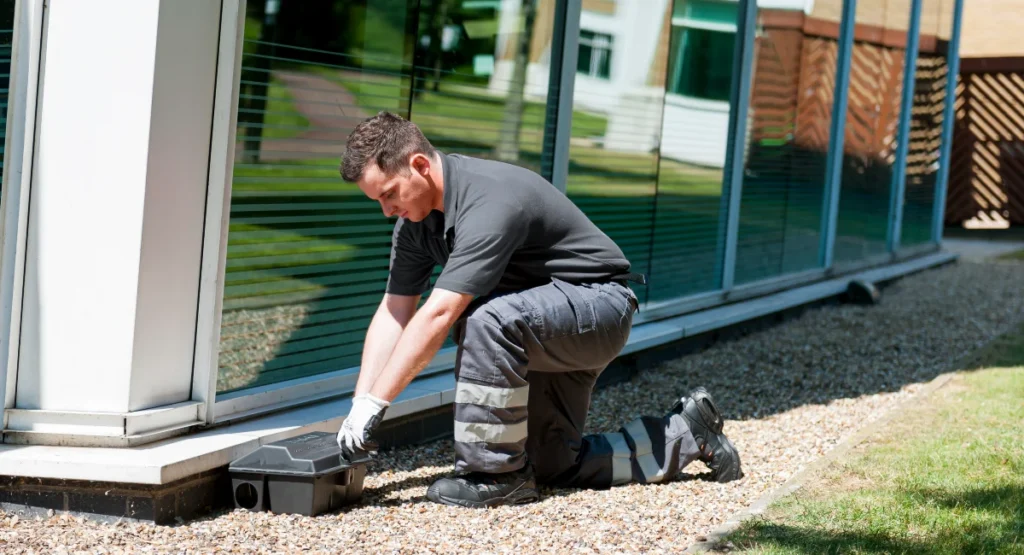
According to Heather, a trap is only ever as good as the strategy behind its use. “In most of our markets, we install permanent monitoring stations at our customer sites. Because these boxes are already a familiar part of the environment, rodents are much more likely to approach them if an infestation occurs, or if a stray rodent wanders through the area.”
It’s the same principle our technicians put into practice on properties throughout Florida. A station that has been in situ for weeks or months isn’t “new” anymore. It’s part of the landscape—just another feature of the well-trodden path—so when a rodent does move in, it approaches without a second thought.
“This is why professionals prefer permanent monitoring stations rather than introducing traps during an active infestation,” she adds. “It’s a subtle but effective shift: from reacting to an infestation to preempting it.”
Down to the Smell of the Plastic
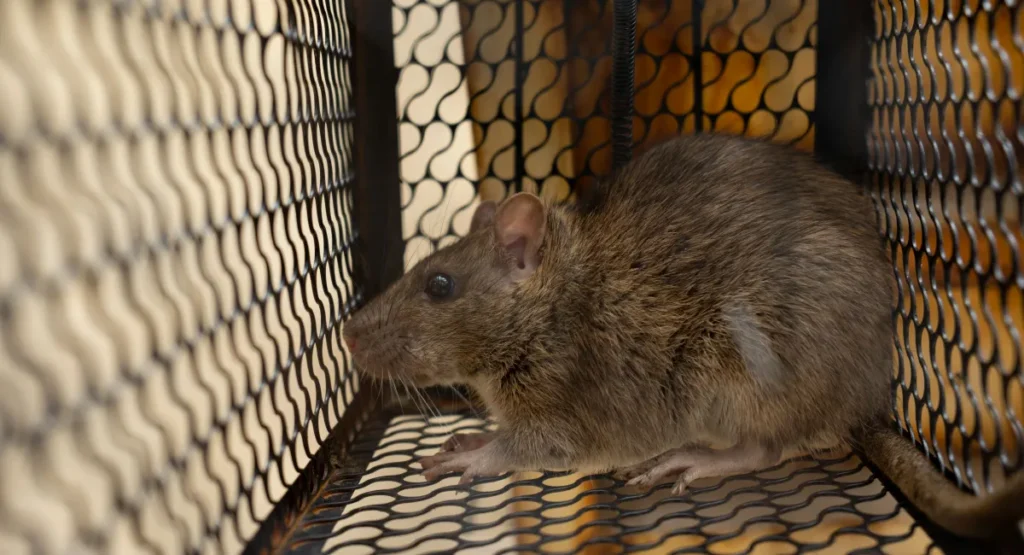
To defeat neophobia, it’s not only about timing, it’s also about the trap itself. Rodents perceive the world through a sense of smell far sharper than ours, Heather explains, and the wrong material can betray a trap before an animal ever gets close.
“One of the benefits of creating our own products is that we can apply strict field-testing protocols to everything we develop, which is why our equipment is made from materials that won’t trigger suspicion.”
“Rodents have a very acute sense of smell, and certain materials give off odors that we might not be aware of, but are obvious to them. We always ensure anything we place down is designed to avoid triggering that neophobic response—ideally, we aim to minimize that fear entirely.”
In other words, Florida Pest’s equipment is engineered not just to catch or monitor, but to be unremarkable—to slip beneath the radar of an animal built to notice anything out of place.
Know Your Opponent
Underpinning all of this innovation is a genuine regard for how capable these animals are. “They’re a fascinating, intelligent species that have evolved alongside humans,” says Heather. “They’re incredibly adaptable—if their food source disappears, they just move and start over. You have to respect their resourcefulness.”
Essentially, you can’t outwit an adversary you underestimate. Effective control has to start by acknowledging that rodents are not mindless vermin blundering into traps, but adaptable survivors that learn, remember, and avoid.
Prevention Over “Blitzing”
This is why rodent control has moved away from the old instinct to simply flood an area with chemicals once things get bad.
“The goal should always be ‘prevention first’—clearing vegetation, removing food sources, and proofing the building to stop them from entering in the first place. That’s the philosophy behind our digital connected solutions and exclusion products: identifying and preventing the problem before it becomes a full-blown infestation, rather than just ‘blitzing’ the area with chemicals.”
Heather adds that because familiar monitoring stations can be watched continuously—increasingly with connected sensors and cameras—problems surface early, which is crucial. “The earlier you catch it, the easier it is to treat and prevent. That’s better for the customer and more humane for the animals.”
Expert Solutions with Florida Pest Control
The next time a trap sits untouched while a rodent runs rings around it, remember: you’re not dealing with a pest that’s too foolish to get caught. You’re dealing with one that’s too clever to be rushed.
The professionals’ answer isn’t a better trap. It’s a better strategy—one that respects the animal’s intelligence, works with its instincts rather than against them, and, above all, gets there first. To put that strategy to work for your home or business, contact our rodent control experts for a professional assessment and a prevention-first plan that can outmaneuver even the wariest rodents.
Author: Nicola Gordon-Seymour
September 3rd, 2026