What Are Asian Cockroaches?
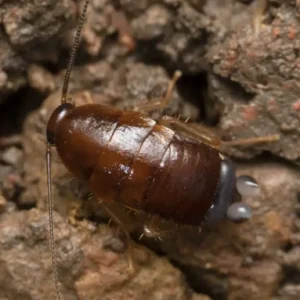
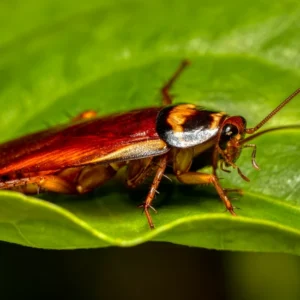
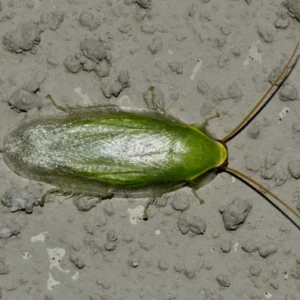
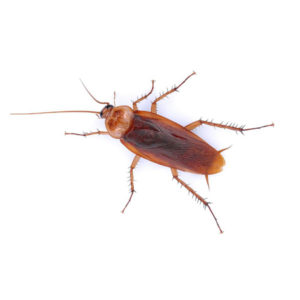
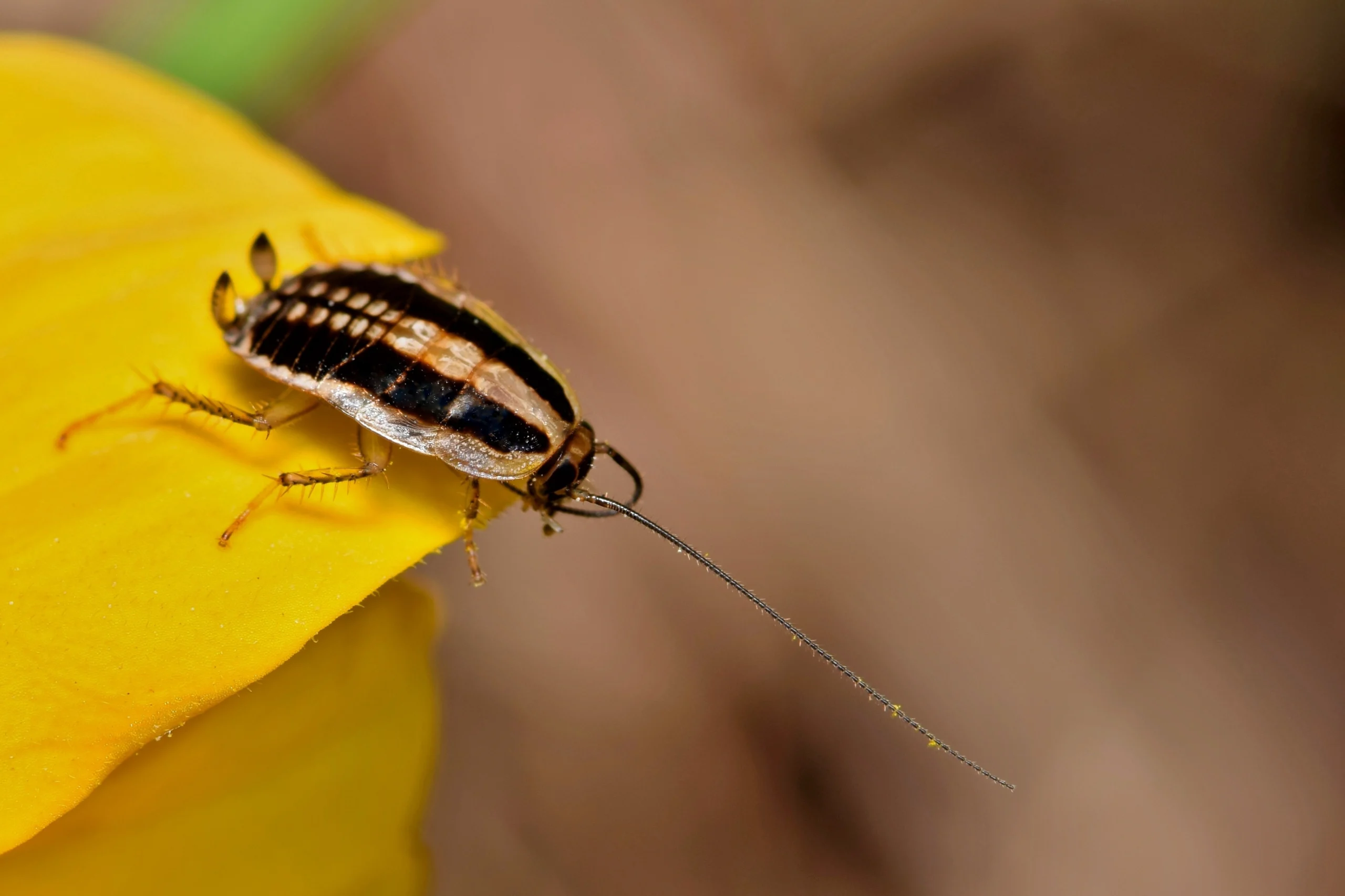
The Asian cockroach (Blattella asahinai) is an outdoor insect that looks similar to the German cockroach but behaves very differently. First discovered in Florida in the 1980s, this species has become a common pest in many parts of the southeastern United States.
These Asian roaches are most active in the evening and are attracted to light. Unlike German cockroaches, they are strong fliers and typically live in yards, flower beds and gardens. While they can fly into homes, causing some disruption, so they don’t settle indoors like other cockroaches, so they will not establish a colony inside.
Because of their similar appearance, people often mistake them for German cockroaches, but Asian cockroach behavior is unique, especially their tendency to fly towards lit areas. If you’ve seen a small, black roach with yellow stripes flying indoors at night, it may have been an Asian roach.
The Lifecycle of Asian Cockroaches
Like most cockroach species, the Asian cockroach lifecycle consists of three stages: egg, nymph, and adult. Females lay “oothecae” (egg cases), each containing multiple eggs. These cases are deposited outdoors in moist, sheltered areas.
Once hatched, the Asian cockroach nymphs go through several molts before adulthood. The full cycle from egg to adult typically takes around 60 to 70 days, depending on temperature and humidity. Florida’s warm, moist weather helps Asian cockroaches reproduce quickly. This is why they can multiply fast, if there’s nothing in place to control them.
Habitat and Diet of Asian Cockroaches
While Asian cockroaches primarily live outdoors, they are attracted to lights at night and may enter homes through open doors or windows. You’re most likely to encounter an Asian cockroach indoors after dusk, especially if lights and windows or doors are open.
Their diet is similar to that of other cockroach species. They consume:
- Decaying leaves and plant material
- Fruits and vegetables
- Pet food left outside
- Human food waste, when accessible
Preferred Environments of Asian Cockroaches
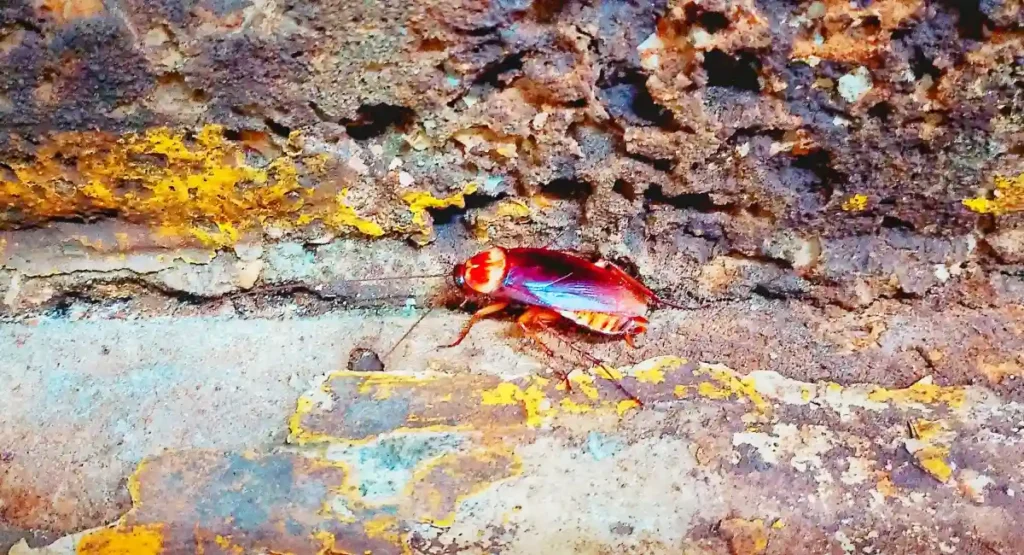
Asian cockroaches prefer outdoor habitats with plenty of moisture and organic matter. They are commonly found in:
- Mulch beds
- Leaf litter
- Compost piles
- Grassy lawns
- Gardens and planters
These pests thrive in shady, damp areas. In Florida, they are especially common around landscaped areas and can become a recurring nuisance in suburban neighborhoods.
Asian Cockroach Behaviors, Threats, or Dangers
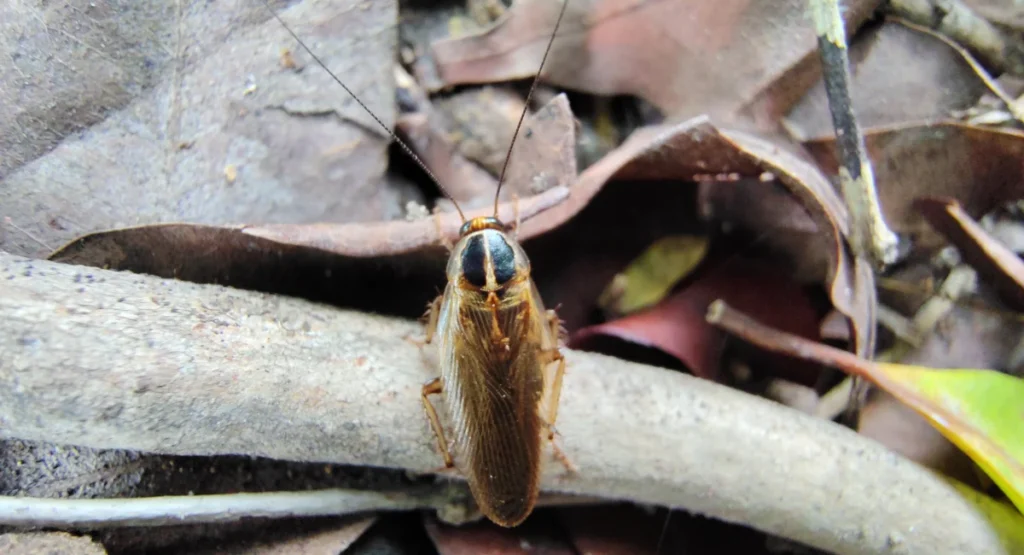
The behavior of Asian cockroaches is very different from that of German cockroaches. The Asian cockroach is an accomplished flier, prefers to live outdoors in shaded areas, mulch, grass, and compost piles, and rarely invades homes. At dusk, this species becomes active, and adults are attracted to light reflected off light-colored walls, doorways, and windows. They may enter homes and rest on lighted surfaces like lampshades, TV screens, and walls. When lights are turned off, the cockroaches will follow to the next lighted room, making residents believe these roaches are attacking them.
If you are dealing with an Asian cockroach problem, contact us for help.
Managing Asian Cockroaches
Keeping cockroaches out of your home takes a mix of prevention and treatment strategies. Even though they do not usually nest indoors, their habit of flying indoors toward light sources can still cause concerns and problems for homeowners.
Preventing Infestations of Blattella asahinai
To avoid attracting Asian cockroaches, you can take steps to make your property less inviting. Start by reducing outdoor lighting, especially near doors and windows. Or switch your bulbs to yellow “bug lights”. Make sure all entry points are sealed, such as cracks in window seals, doors and vents. Outside of your home, keep mulch, leaves, and compost piles away from your building’s foundations. If you have pets, keep their pet food sealed properly and do not leave uncovered trash outside. These simple changes can significantly discourage Asian roaches that Florida homeowners often see during the warmer months.
Effective Asian Cockroach Control Methods
When prevention isn’t enough, professional pest control services may be needed. At home (often referred to as DIY) methods can offer short-term relief but rarely address the root of the problem. For a complete solution, consider:
- Placing insect bait in mulch and garden areas. The bait attracts cockroaches, which feed on it and either die or take it back to the population helping to reduce their numbers before they make it inside the home
- Applying perimeter insecticide applications around entry points to create a barrier that stops cockroaches from getting indoors
- Vacuuming or using traps in problem areas to remove active roaches and reduce indoor activity
- Setting up year-round monitoring in high-risk zones to track activity over time and adjust treatment as needed for long-term protection.
If Asian cockroaches regularly fly into your home, contact a pest professional who understands the Florida climate and how it influences pest behavior. At Florida Pest, our experienced technicians understand how to manage Asian roaches and protect your property from various pests, including cockroaches. Contact us and we’ll be happy to help you prevent those annoying little critters from invading your space.
Frequently Asked Questions
Where Did The Asian Cockroach Originate?
The Asian cockroach is native to southern Asia. It was first documented in Florida, United States, in the 1980s.
How Can I Distinguish Between Asian And German Cockroaches?
While they look almost identical, Asian cockroaches are strong fliers and are attracted to light. German cockroaches rarely fly and prefer dark indoor spaces.
Are Asian Cockroaches Harmful to Humans?
Asian cockroaches are not known to bite or spread disease directly, but like other roaches, they can carry bacteria on their bodies and contaminate surfaces.
Are Asian Cockroaches Beneficial in Any Way?
In the outdoors, they help break down organic matter, playing a small role in the ecosystem. However, their tendency to enter homes and cause distress makes them unwanted guests.
What Control Methods Are Effective Against Asian Cockroaches?
The most effective ways to manage Asian cockroaches are prevention steps like reducing outdoor lights and sealing cracks, perimeter treatments, and targeted baiting.
Why Are Asian Cockroaches Attracted To Lights Around Homes And Buildings?
Asian cockroaches have a strong natural attraction to light, which draws them heavily toward porch lights, illuminated windows, and even indoor television screens. Because they are strong flyers, they frequently use their wings to navigate directly to these bright residential light sources as soon as the sun goes down.
What Time Of Year Are Asian Cockroach Infestations Most Common In Florida?
In Florida, Asian cockroach activity peaks significantly during the warm, humid months of spring and summer. During this season, their populations multiply rapidly in outdoor mulch and leaf litter, greatly increasing the chance they’ll swarm toward residential lights and enter homes.
Can Asian Cockroaches Reproduce Inside Homes Or Only Outdoors?
Asian cockroaches are almost exclusively outdoor species that breed and thrive in natural, moist environments such as leaf litter, mulch, and shaded garden beds. While they frequently fly indoors by accident when attracted to lights, they generally don’t reproduce inside because climate-controlled homes lack the high moisture and decaying organic matter they require to survive long-term.