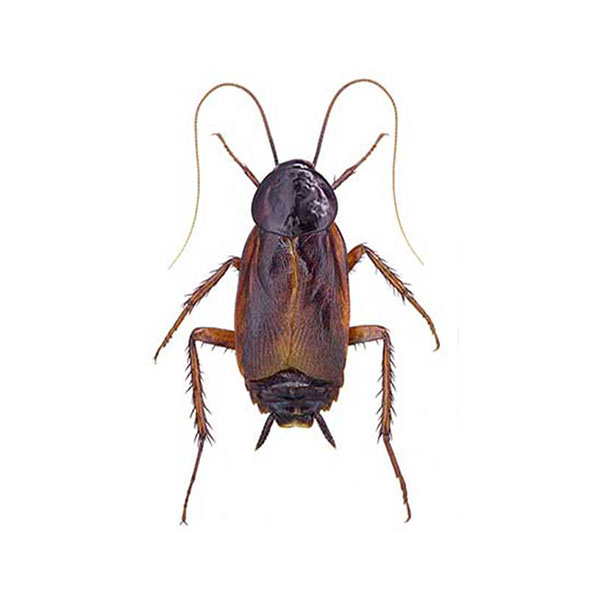
What Are Oriental Cockroaches?
The Oriental cockroach, also known by its scientific name Blatta orientalis, is a large, dark-colored roach often found in damp, cooler areas of buildings. It differs from other cockroach types; while many prefer warm, dry areas, this particular species of cockroach prefers basements, drains, and crawlspaces. Because of its strong connection to moisture, it is sometimes called the “waterbug.”
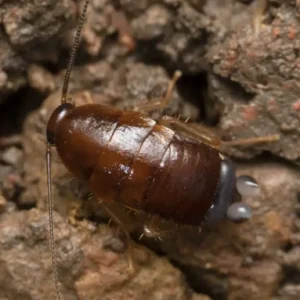
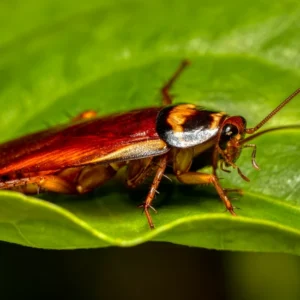
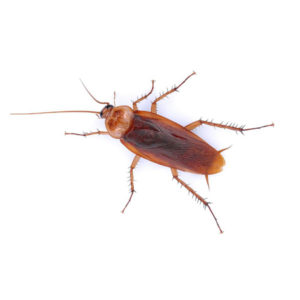
Oriental cockroach identification can be tricky if you don’t know what to look for. They are typically shiny black or dark brown and can grow up to an inch long. Their slow movement and tendency to stay close to the ground also sets them apart from other indoor roaches.
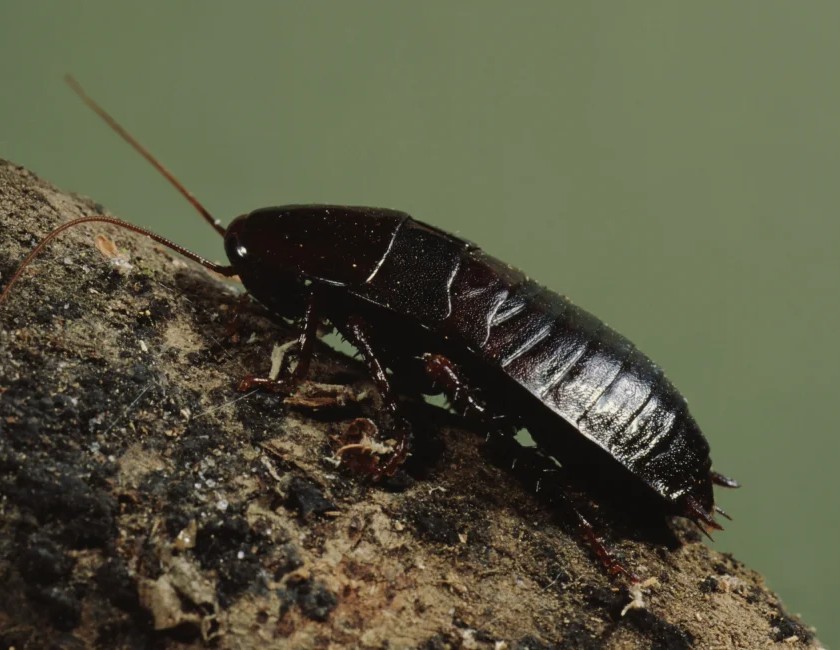
How to Identify an Oriental Cockroach
Oriental cockroaches are large insects, about an inch long, with glossy, dark reddish-brown to black bodies. Often called waterbugs, their nickname is a clue to their preferred habitats. They’re naturally drawn to cool, damp, moisture-prone environments such as basements, crawlspaces, sewers, and drains. Additionally, because these nocturnal pests scavenge on decaying organic matter and garbage, noticing a strong, unpleasant odor or finding small droppings in dark, humid areas of your home or business is a strong indicator of their presence.
Key Characteristics
Adult Oriental cockroaches have a wide, heavy build, which makes them highly durable in harsh conditions, but noticeably less agile than other common roaches. The males have wings that cover about three-quarters of their body, while females possess only short wing pads. Despite having wings, neither sex is capable of flight, relying instead on fast crawling along the ground to quickly retreat into cracks and crevices when disturbed. Behaviorally, these insects are strictly nocturnal, spending their days hidden safely away in dark, damp locations before emerging at night to feed.
The Lifecycle of Oriental Cockroaches
The Oriental cockroach lifecycle includes three main stages: egg, nymph, and adult. The female lays egg cases known as oothecae, each containing up to 16 eggs. She drops them in hidden, protected areas where moisture is present. Depending on the temperature and humidity, these egg cases can take one to two months to hatch. This makes Florida the perfect environment for these pests..
Once the eggs hatch, the nymphs develop into adults through multiple molts. The full cycle from egg to adult may take six months or more, especially in cooler environments. Because of this extended development time, control efforts must target both active adults and hidden egg cases.
Habitat and Diet of Oriental Cockroaches
Oriental Cockroaches will gather in places that are cozy, warm and provide them with plenty of food. Whether that’s indoors or outdoors, they stay close to organic material. Their diet includes decaying organic matter, leftover food, and pet waste. This broad diet helps them survive in both residential and commercial properties, so they can be found in any property type. Because they are scavengers, they often feed at night and leave droppings and an unpleasant odor behind.
Preferred Environments of Oriental Cockroaches
Oriental cockroach habitat is typically found in areas with high moisture. You will often find them hiding in damp places, such as near leaky pipes, drains, garbage bins, or laundry areas. Outdoor areas such as flower beds, mulch, and sewer systems can also host these pests. Once inside, they often invade lower levels of buildings and travel between floors through plumbing and wall voids.
Oriental Cockroach Behaviors, Threats, or Dangers
Oriental cockroaches are not a structural pest in that they do not damage homes, but they present a serious threat to your health and your family’s health. Cockroaches are known for spreading disease and have been discovered to carry 33 different kinds of bacteria, including E. Coli and Salmonella. Cockroaches contaminate food items and the surfaces in our homes with harmful bacteria as they forage for food. They also pose a significant threat to people with allergies or asthma as their shed skins and feces can cause severe reactions in these individuals.
If you are dealing with an oriental cockroach infestation, it’s essential to contact your local cockroach exterminator for help.
Typical Diet of an Oriental Cockroach
Oriental cockroaches are nocturnal scavengers that are highly attracted to areas with plenty of organic waste material. Their diet primarily consists of decaying organic matter, discarded human food, and pet waste. Because they have such broad dietary preferences and can survive on limited food sources, they can easily thrive in both residential and commercial properties. As they forage for these unsanitary food sources at night, they frequently contaminate surfaces and leave behind droppings – and a distinct, foul odor.
Managing Oriental Cockroaches
Oriental cockroaches are tough to eliminate because of their hiding spots and ability to survive in less common areas of the home. Cracks in foundations, basement windows, and poorly sealed doorways can serve as entry points for these pests. Once inside, they settle in hard-to-reach areas and remain unnoticed until the population grows.
Their long development cycle and ability to survive on limited food sources make management especially challenging. Even if adult roaches are reduced, hidden egg cases can restart an infestation. A targeted, ongoing approach is key to keeping these pests under control.
How Quickly Can Oriental Cockroaches Spread in a Property?
Compared to other common roach species, Oriental cockroaches have a relatively long development cycle, often taking six months or more to grow from an egg to a fully mature adult. Despite this slower maturation, an infestation can still spread steadily and persist stubbornly. A single female produces protective egg cases, each containing up to 16 eggs. She deposits these cases in hidden, damp, and protected areas where they incubate for one to two months. Because these hidden eggs ensure a continuous new generation of pests, a targeted approach is necessary to prevent the population from rapidly rebounding.
Preventing Infestations of Blatta orientalis
Preventing Blatta orientalis from entering your home means staying ahead of moisture problems. Fixing leaks quickly, improving ventilation, and sealing gaps around doors and windows can stop them from getting in. Cleaning floor drains, checking under appliances, and reducing clutter in basements also make a difference.
These cockroaches are drawn to water and organic waste areas, so taking away those resources helps limit their activity. Once attracted to a location, they are likely to remain until disturbed or treated.
Effective Oriental Cockroach Control Methods
Complete control of Oriental cockroaches often requires professional treatment. Because they tend to hide deep in structures, surface sprays or DIY treatments usually miss the source of the infestation. Florida Pest Control uses targeted treatments that reach these hidden spaces, focusing on their known paths and preferred environments.
If Oriental cockroaches have become a problem in your home or business, Florida Pest Control is here to help. Our team understands Blatta orientalis’ habits and can build a treatment plan to help reduce and manage their presence. Our cockroach extermination service provides solutions built for long-term results. Our approach is designed to break the lifecycle of the pest and reduce the chances of future problems.
Frequently Asked Questions
Where are Oriental Cockroaches Commonly Found?
They are often found in dark, damp spaces such as basements, crawlspaces, and under sinks. Outdoor areas with moisture, like garbage bins or sewer lines, attract them.
Are Oriental Cockroaches Dangerous?
Yes. They can carry bacteria and other pathogens from the areas they crawl through. They may also contaminate food and surfaces, increasing the risk of illness.
Can Oriental Cockroaches Fly?
No. Although males have wings, they are not used for flight. Both males and females rely on crawling to move from place to place.
How Can I prevent Oriental Cockroach Infestations?
Fix water leaks quickly, seal up entry points, and reduce access to food and waste. Keeping basements dry and drains clean can make your home less inviting to them.
Are Oriental Cockroaches Active During the Day?
They are primarily nocturnal, meaning they come out at night. If you see one during the day, it could mean the population is growing, and hiding spaces are full.