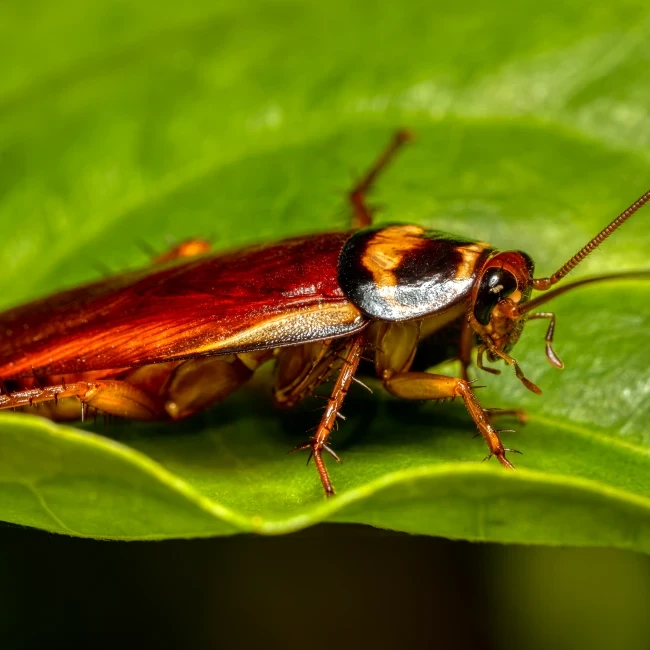
What Are Australian Cockroaches?
The Australian cockroach, scientifically called Periplaneta australasiae, is a significant pest, especially in warmer climates, including Florida. They live in tropical and subtropical regions, and despite their name, are believed to originate from Africa and came to America via slave ships.
Like other roaches, they can pose health risks by carrying bacteria and pathogens. While they eat mainly decaying matter, they can also eat fresh plants, seeds and stored goods.
To keep them out of your home or workplace, it’s important to understand their habits and behaviors.
What Do They Look Like?
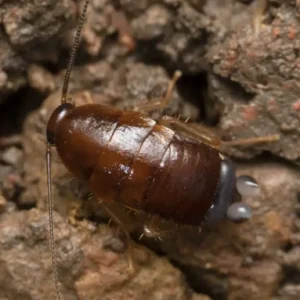
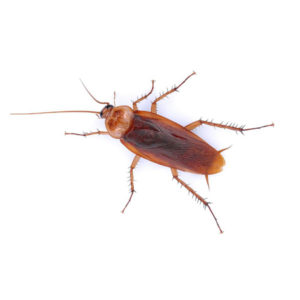
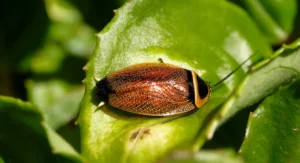
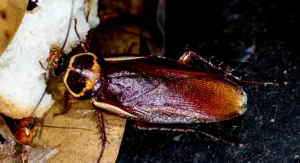
Despite being called ‘giant Australian cockroaches,’ they’re only about 1 to 1½ inches long, so they’re smaller than American cockroaches. Their reddish-brown color means they’re often confused with other cockroach species. But they can be identified by their distinctive yellow markings on the edges of their forewings.
Key Characteristics
Australian roaches are nocturnal foragers. They are only active at night, usually within the two hours after sunset. In the day, they stay hidden in dark, tight cracks and crevices.
They are omnivores: they prefer to eat decaying plant matter, so they’re a threat to gardens and greenhouses. But they can become a problem indoors when food, water or warmth is scarce.
Like all roaches, they depend on water: Without food, they can survive for up to a month. Without water, they won’t survive a week. Nymphs haven’t fully developed their wings, so they can’t fly. Adults can fly short distances if startled, but they may well just scuttle away fast as they prefer to stay on the ground.
The Lifecycle of Australian Cockroaches
Egg, nymph, and adult are their three life stages. In a moist, sheltered spot, a Female Australian cockroach lays an ‘ootheca’, a protective capsule containing about 24 eggs.
After about 40 days, wingless nymphs hatch and resemble small adults. These nymphs undergo a series of molts over 6 to 12 months, gradually developing wings and reproductive capabilities.
In ideal humid conditions, adults can live for many months, with females producing multiple egg capsules to continue the cycle.
Australian Cockroach Behaviors, Threats, or Dangers
Australian roaches pose a low risk to properties but a medium risk to humans. They don’t eat wood or other building structures, and they don’t bite or sting humans. But, as they prefer to live outdoors in moist rotting areas and eat decaying matter, they are a particular threat to plants, flowers, and even seeds in gardens and greenhouses.
Even worse, as they move between sewers and garbage and into kitchens, and come inside seeking food, water, and warmth, they can carry bacteria and pathogens. So they can contaminate food and surfaces, and are a threat to human health.
Seeing Australian Cockroaches?
Get a FREE quote
Habitat and Diet of Australian Cockroaches
Their natural habitat is outdoors. They need tropical heat, moisture and decaying vegetation to thrive, and will shelter under leaves, beneath tree bark or in woodpiles. If food, water or warmth become scarce, they’ll move into dark, dank kitchens, bathrooms, basements, greenhouses or crawl spaces. They’ll often lurk around leaky pipes, under sinks, or in garbage areas and scavenge on organic waste, starch, and crumbs.
Signs of Australian Cockroach Presence
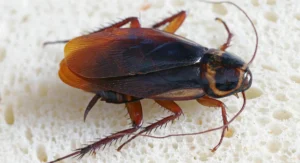
You may see Australian roaches near moisture-rich areas, such as sinks, water pipes, or garden mulch. You may also spot dark brown, purse-shaped egg capsules in dark crevices. Or see small, dark, cylindrical droppings that look like black pepper or mouse droppings.
You could see odd chew marks on organic materials such as book bindings, paper, or decaying plants. Plus, you may smell a distinct, unpleasant, musty odor from larger numbers.
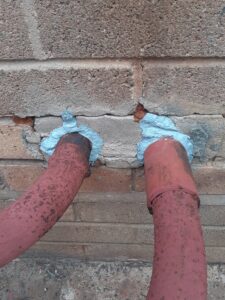
Preventing Infestations of Periplaneta australasiae
To stop Periplaneta australasiae from entering a building, prevention is the best form of protection. So take away their inside access to food and water:
- Seal cracks and crevices around windows, doors, and pipes
- Repair leaky faucets and vents, and add a tight mesh over them
- Ensure window screens have tight fits and no tears
- Ensure proper drainage in kitchens and bathrooms.
- Keep garden mulch away from foundations
- Remove piles of decaying leaves or wood
- Store food in airtight containers
- Keep trash bins tidy
- Regularly clean dark, damp cupboards and sub-floors
Effective Australian Cockroach Control Methods
Indoor chemical treatments may not be needed and are often ineffective, as the Australian cockroach is mainly an outdoor pest that occasionally ventures inside and very rarely builds a nest there.
But if you find one in your home, it’s important to locate and eliminate both potential hiding spots. This is hard by day as they only come out at night.
Have you spotted more Australian cockroaches on your property? Do you need help identifying the species or finding the nest? Then Florida Pest Control can help with a free inspection.
Australian cockroach infestations can grow rapidly into several hundred roaches that are notoriously difficult to eradicate. This is because a colony can have several females laying egg capsules every 10-14 days, with up to 24 nymphs hatching from each one after 40 days.
DIY shop-bought traps or insecticides may offer short-term relief, as they’ll only target the roaches you can see. At Florida Pest Control, we identify the species and the source of the infestation. Then we apply professional-grade treatments to eliminate both the cockroaches you see and the hidden nest that you don’t.
Frequently Asked Questions
Where Are Australian Cockroaches Commonly Found?
They are mainly found outside in damp areas under leaves, in woodpiles or behind bark. They occasionally venture inside to search for food, water and warmth.
Why are Australian Cockroaches in My Building?
Food, water and warmth are why Australian cockroaches venture inside. They will hide in dark, dank areas like bathrooms, kitchens, basements and greenhouses. By preventing entry to your property and removing food and water, you can deter them from returning.
Are Australian Cockroaches Dangerous?
No, they are generally harmless. They don’t bite, sting or damage property. But they can spread bacteria and pathogens onto food and kitchen counters as they can walk through garbage and sewers before entering your property.
How Quickly Do Australian Cockroaches Reproduce?
Females can reproduce rapidly. They can produce a new egg capsule every 10 to 14 days. That capsule can contain up to 24 roaches that will hatch in 40 days. So infestations can rapidly happen. While colonies are usually located outside, they can come indoors, especially in colder months.
Why Are Australian Cockroaches Hard to Keep Out?
They are difficult to keep out as they can reproduce rapidly and they are hard to find during the day as they only come out at night. DIY shop-bought traps or insecticides don’t target the hidden source. At Florida Pest Control, we use professional-grade treatments to eliminate both the roaches you see and the source that’s hidden.