What Are Cuban Cockroaches?
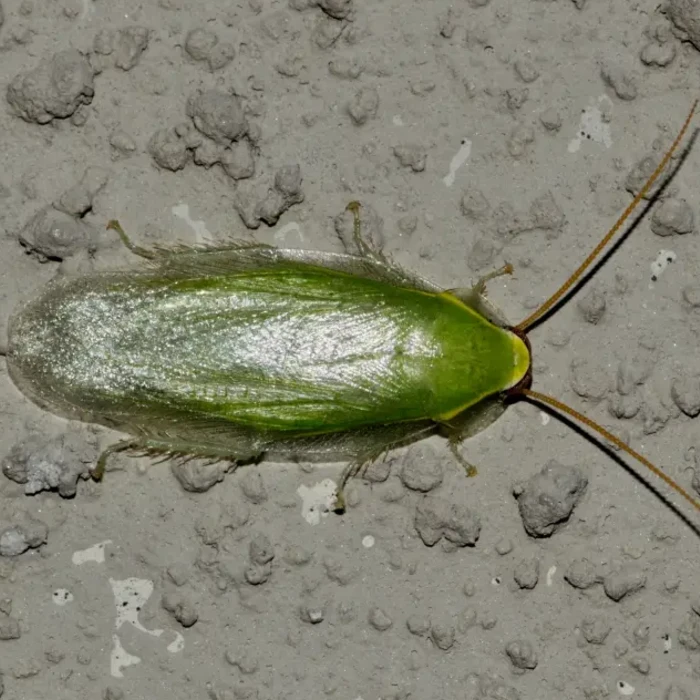
The Cuban cockroach, scientifically known as Panchlora nivea, is a distinct, widely misunderstood insect found throughout Florida. This species is a vibrant pale green color, which helps it blend into lush tropical foliage. Because of their coloring, many people simply refer to them as green roaches, while others know them as the banana cockroach for their habit of living on banana plants and other tropical foliage. Native to Cuba and the Caribbean, these insects have successfully established themselves across warm, humid southern climates.
Like other roach species, the Cuban roach is harmless and neither damages buildings nor establishes populations inside. They are essentially outdoor wanderers that occasionally enter properties by mistake. However, their strong attraction to both indoor and outdoor lights can be a nuisance during the warm summer months. To keep them out of your living and working spaces, you need to understand their behavior and habits.
What Do They Look Like?
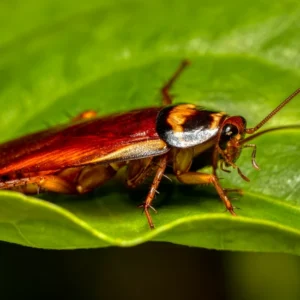
Adult Cuban cockroaches are relatively easy to identify due to their striking pale green, mint-like coloration. They are somewhat flat and generally measure between three-quarters of an inch and one full inch in length. Along their sides, a very subtle yellow line is often visible.
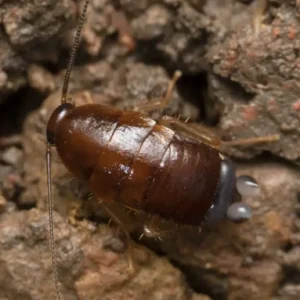
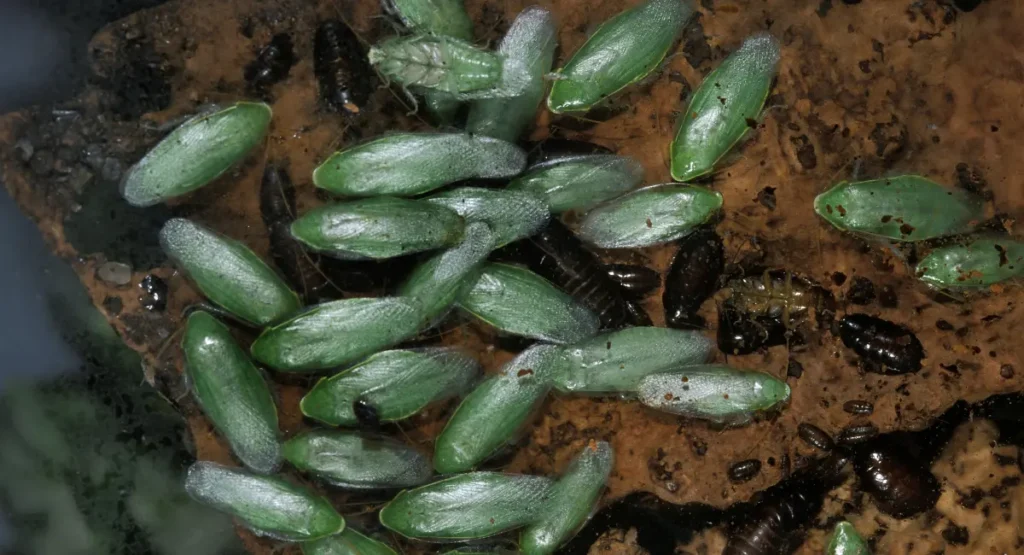
Interestingly, the nymphs (young cockroaches) look completely different from the adults. They lack wings and are typically dark brown or black. Nymphs burrow into the soil and remain entirely hidden beneath mulch or leaf litter, so they are rarely seen by people. It is only when they fully mature that they develop their signature green wings and transition into active flyers.
Key Characteristics
Cuban cockroaches are primarily nocturnal, hiding under large leaves or in tree canopies during the heat of the day. At night, they become highly active and take flight, drawn out of hiding, almost exclusively by bright artificial light.
The Lifecycle of Cuban Cockroaches
Female Cuban cockroaches produce an egg capsule (ootheca), but rather than dropping it in a dark corner or attaching it to a surface like many other roaches, the female carries it inside her abdomen. She protects the capsule internally until the eggs are ready to hatch, at which point she gives birth to live nymphs.
Once born, the small, brown, wingless nymphs burrow down into damp soil, rotting wood, or thick mulch. They spend their entire developmental phase out of sight, depending heavily on the earth’s natural moisture and decaying debris to survive. As they eat and grow, they molt several times, shedding their outer exoskeletons. Eventually, they emerge from the ground as fully mature, winged adults with their distinct green coloring, ready to mate and continue the cycle.
Cuban Cockroach Behaviors, Threats, or Dangers
Cuban cockroaches are a low threat to humans and properties. They don’t bite or chew through structural wood or other materials, and have no stinger. Since they live outdoors and eat only plant matter, they are not considered major disease vectors and are unlikely to contaminate food preparation areas.
The main issue with Cuban cockroaches is when they accidentally enter buildings and startle occupants. At night, they will actively fly toward patio lights, illuminated signs, streetlamps, and bright windows. When doors are opened, they frequently fly right past the threshold and into the building, perhaps creating a false impression of an active infestation.
Seeing Cuban Cockroaches?
Get a FREE quote
Habitat and Diet of Cuban Cockroaches
Their natural habitat is strictly outdoors. They need tropical heat and a vegetation-dense environment to thrive. You will typically find them resting under the broad leaves of shrubs, hiding in the canopy of palm trees, or burrowing beneath damp leaf litter.
Cuban cockroaches feed entirely on natural organic materials and decomposing plant matter. They have absolutely no interest in human food, crumbs, or structural materials.
When these insects are found inside a building, it is solely by accident. Standard climate-controlled properties in Florida are far too dry for them to survive. Without the high outdoor humidity and their specific plant-based diet, a trapped Cuban cockroach will usually dehydrate and perish within just a few days.
Signs of Cuban Cockroach Presence
As this species does not breed indoors, you will not find the traditional signs of an infestation, such as pepper-like droppings, smeared feces, or shed skins inside cabinets.
The only concrete sign of their presence is seeing adult green cockroaches themselves. You may see them fluttering around outdoor lighting fixtures, resting on exterior window screens, or occasionally find a lost adult wandering near an entryway after slipping inside.
Preventing Infestations of Panchlora Nivea
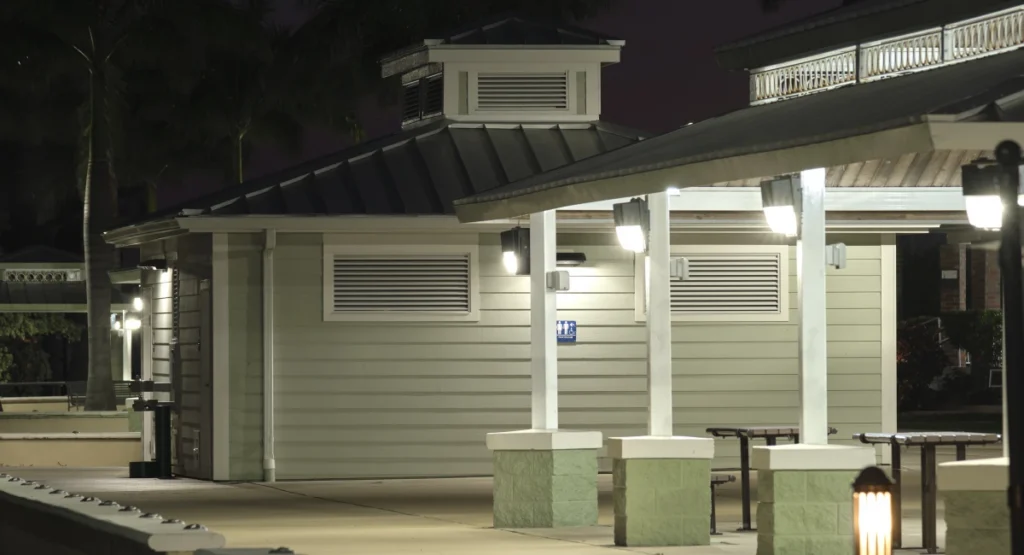
To stop Panchlora nivea from entering a building, efforts must focus on reducing light attraction and sealing physical entryways. Swapping out bright white decorative or porch lights for yellow bulbs or sodium-vapor lamps is an effective way to reduce roach numbers near doors.
Physically blocking entry is essential. Ensure all window screens fit tightly and have no tears. Install heavy-duty weatherstripping around exterior doors to eliminate gaps where interior light spills out. On the landscaping side, keeping tree branches, heavy shrubbery, and dense mulch pulled a few feet away from the structure’s foundation will minimize the number of insects living right next to access points.
Effective Cuban Cockroach Control Methods
For outdoor pests that occasionally wander inside, extensive indoor chemical applications are generally unnecessary and often don’t work. Since they rarely create nests in kitchens or bathrooms, interior baits aren’t really necessary.
If you’re dealing with a frustrating number of these insects, contact Florida Pest Control. Our professional technicians evaluate landscaping layouts, identify high-risk areas where dense vegetation meets the structure, and apply targeted exclusion methods. We can also set up perimeter controls to manage populations in landscaping to keep your property secure from these unwanted flying intruders and keep them outdoors where they belong.
Frequently Asked Questions
Where Are Cuban Cockroaches Commonly Found?
They are found exclusively outdoors in warm, humid environments. They prefer dense foliage, tropical landscaping, tree canopies, and thick mulch beds where they can feed on decaying plant matter. If found indoors, it is simply because they flew in by mistake.
What Attracts Cuban Cockroaches to Buildings?
The main attractant is artificial lighting. At night, adult green cockroaches are highly drawn to porch lights, illuminated windows, and commercial building lights. Furthermore, structures with heavy tropical landscaping planted right up against the foundation provide the perfect habitat, just inches from entry doors.
Are Green Cockroaches Dangerous?
No, they are generally harmless. They do not bite, sting, or damage property. Because they stick to outdoor vegetation and do not scavenge in unsanitary areas like garbage dumps or sewers, they do not pose the same disease transmission risks as indoor-breeding pests.
How Quickly Do Cuban Cockroaches Reproduce?
While females can produce numerous offspring, they reproduce more slowly than indoor roaches. The female carries the egg case internally for a period of time before giving birth to live nymphs. These nymphs then take several months to develop into adults in outdoor soil, ensuring their populations remain steady rather than rapidly grow within a structure.
Why Are Cuban Cockroaches Hard to Keep Out?
They are difficult to keep out because they are incredibly capable flyers, magnetically drawn to light. Anytime a door or window is opened at night near an illuminated area, they can quickly dart inside. Complete exclusion requires changing exterior lighting tones and ensuring every door gap and window screen is totally sealed.