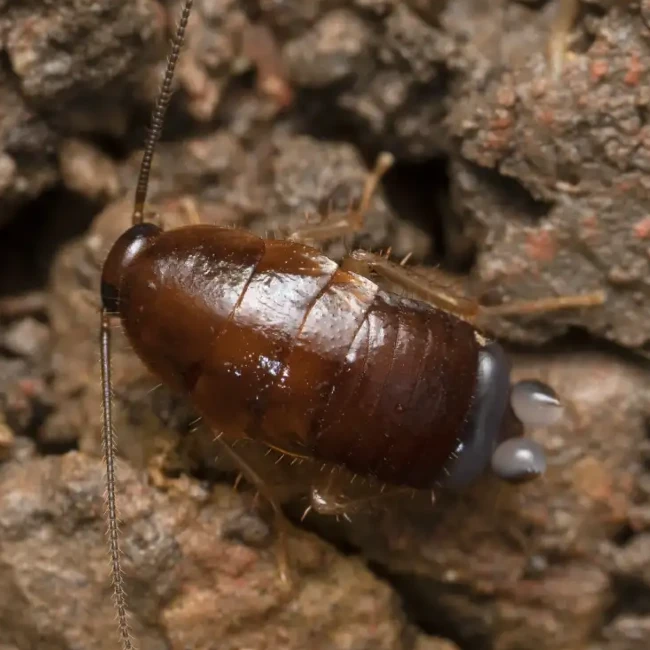
What Are Florida Woods Cockroaches?
The Florida woods cockroach is scientifically called Eurycotis floridana, but often just called the Florida cockroach or the palmetto bug. It is native to the southeastern United States and loves the humid, warm tropical climate of Florida, Georgia, and parts of South Carolina.
It lives in damp, shaded areas, including leaves and decaying wood. While it is rarely found indoors, unless accidentally brought in, it can pose health risks by carrying bacteria and pathogens. It can also fly and has a foul-smelling defensive spray.
Read on to learn how to get rid of Florida woods cockroaches in your home or business and prevent them from coming back.
What Do They Look Like?
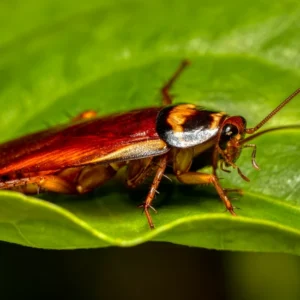
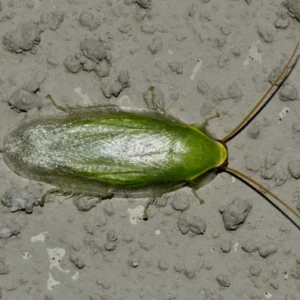
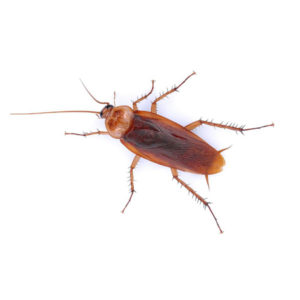
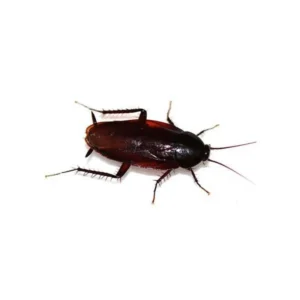
Florida woods cockroaches have a glossy smooth back. They are reddish brown, almost black, but their shades vary to blend in with the surroundings. 1.2 to 1.6 inches long, but what’s more distinctive is its width: almost 1 inch wide.
Key Characteristics
Florida Cockroaches are large: longer than American cockroaches and wider, with a width of almost 1 inch. They move very slowly and can’t fly, so unlike most cockroaches, they can’t scurry away. Instead, a bit like a skunk, they ward off predators and humans with a foul-smelling defensive spray from a gland underneath their abdomen. That’s why it’s also often called the “stinking cockroach” or the “Florida stink roach.”
While they mainly live outside, they may occasionally be accidentally carried inside and only rarely venture indoors when seeking food, water, or warmer shelter, and use their long antennae to find food.
The Lifecycle of Florida Woods Cockroaches
The Florida wood cockroach has three stages of its lifecycle, taking about 1 year to reach maturity:
In moist, sheltered, protective spots under logs, leaves or debris, the female Florida wood cockroaches produce an ‘oothecae’, an egg capsule. Each one contains 20 to 24 eggs, hatching after 50 to 60 days.
A Florida Woods cockroach nymph emerges from an egg and is wingless. Over four to six months they grow, molt multiple times, hide outdoors in damp, shady areas, and feed on decaying matter.
Adult Florida cockroaches have wings, and can live for up to a year. Females focus on reproduction, producing multiple egg capsules over their lifetime to continue the cycle.
Florida Woods Cockroach Behaviors, Threats, and Dangers
The Florida wood roach doesn’t bite or sting and is less of a danger than other cockroaches. But it does have unique skunk-like defensive behavior. If it feels threatened by a predator or human, it can spray a foul-smelling substance that can cause discomfort to both skin and eyes.
While they can only spray once every 30 days, it’s so effective that even other Florida woods roaches will flee from it. The spray must be thoroughly cleaned from walls and furniture, or it can leave an unpleasant odor and residue.
Nymphs can’t spray the same chemical, but they can protect themselves by releasing a sticky defensive glue.
A Florida wood cockroach spends most of their time outside, so they only occasionally spread bacteria, pathogens and disease inside on food and counters.
Habitat and Diet of Florida Woods Cockroaches
Florida woods cockroaches are lovers of the tropics, thriving where the air feels like a warm, damp blanket.
If you’re looking for wood roaches, Florida is the place to be as it’s full of the habitat they love: shady, moisture-rich spots like leaf mulch, logs, thick vegetation, and lumber piles. Think of them as edge-dwellers: close to human homes, but not fully dependent on them.
At night, they emerge like tiny scavengers under the cover of darkness, feeding mainly on decaying plants and rotting wood. They may wander inside if a building offers warmth, humidity, and easy entry through gaps, cracks or open doors, to nibble on any household scraps. Bathrooms, basements, and damp roof areas are some of their common hiding places. By understanding their habits, and reducing moisture, tidying outdoor debris, and sealing entry points, we can positively prevent them from coming in.
Signs of Florida Woods Cockroach Presence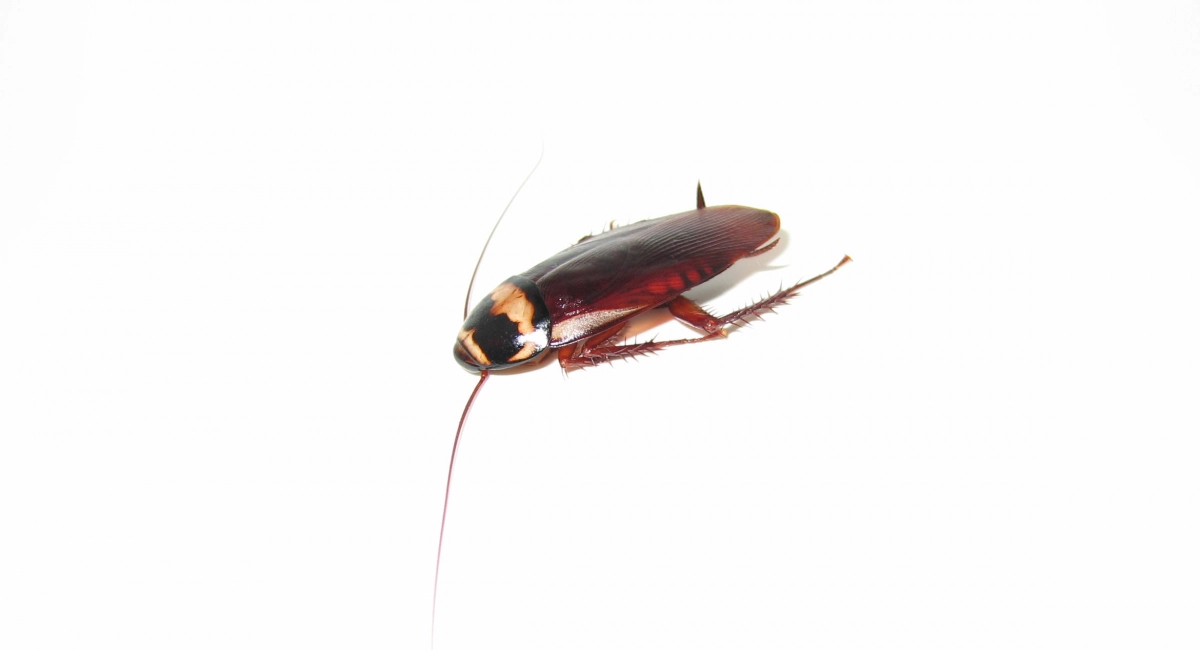
Although these “palmetto bugs” are nocturnal, they’re easier to see as they’re large, slow-moving, and wingless. When startled, you’ll smell them as they emit a pungent, musky odor.
You might also see their dark, bean-shaped egg capsules in damp, shaded mulch or woodpiles.
Indoors, you may occasionally see them in high-moisture bathrooms, basements or kitchens.
 Preventing Infestations of Eurycotis floridana
 Preventing Infestations of Eurycotis floridana
Protect your building by preventing Eurycotis floridana from entering and taking away sources of food and water:
- Fix leaks, improve drainage ane eliminate standing water
- Use dehumidifiers in damp bathrooms, basements and crawl spaces
- Clear away decaying leaves, mulch, and branches, plus keep mulch and vegetation 3ft from your foundations
- Trim vegetation and avoid stacking wood against walls
- Seal entry points around gaps and cracks, vents and pipes, doors, windows and foundations
- Use caulk or weather stripping to seal these areas and block potential entryways
- Store food securely and clean up crumbs or organic debris
- Minimize lighting: as roaches are attracted to light, use yellow “bug” light bulbs or reduce outdoor nighttime lighting
Effective Florida Woods Cockroach Control Methods
Florida woods cockroaches may prefer life outdoors, but their populations can grow surprisingly fast if conditions are right. A single female can produce hundreds of eggs during her lifetime, turning a small problem into a thriving colony. Think of it like a snowball rolling downhill—the longer it goes unchecked, the larger it becomes.
Professional pest management is often the most effective approach to reliable, long-term control of Florida woods cockroaches. Florida Pest Control provides comprehensive inspections, targeted treatments, and tailored prevention strategies designed to eliminate existing palmetto cockroaches and reduce the risk of future infestations. By identifying moisture issues, harborage areas, and entry points, our experts can help keep your home and outdoor spaces protected all year-round.
Frequently Asked Questions
Where Are Florida Woods Cockroaches Commonly Found?
They nest in damp, sheltered spots like leaf mulch, rotting logs, and lumber piles. While they prefer outdoors, they occasionally wander into human buildings through cracks or open doors, seeking the moisture and food in kitchens, basements, bathrooms, or crawl spaces.
Why Are Florida Woods Cockroaches in My Building?
While they usually would only be carried in by accident, they can very occasionally enter buildings to escape extreme humidity and warmth and seek shelter, food and water.
Are Florida Woods Cockroaches Dangerous?
No, they don’t bite or sting, and they’re not poisonous. But they can release a foul-smelling spray when threatened. Like most scavengers, they can also carry bacteria and pathogens on their legs, potentially contaminating surfaces or triggering allergies and asthma in sensitive individuals.
How Quickly Do Florida Woods Cockroaches Reproduce?
These cockroaches are marathon runners, not sprinters: often taking a year to mature. Females produce over 20 egg capsules, each holding about 20 eggs. So a small outdoor colony can steadily expand into a significant community of hundreds.
Why Are Florida Woods Cockroaches Hard to Keep Out?
These pests are slim, stealthy and nocturnal, so they’re hard to spot. They can squeeze through the tiniest gaps and cracks around doors and windows. If outdoor water is scarce, they may relentlessly probe your building’s perimeter to find shelter, water and food.