Voles are small, burrowing rodents that can cause significant damage to lawns, gardens, and ornamental plants. Sometimes mistaken for mice or moles, meadow voles and other vole species create extensive runway and burrow systems just below the surface, uprooting vegetation and chewing through roots. While they rarely enter homes, their activity outdoors can lead to dead patches in lawns, chewed tree bark, and ruined landscaping in Florida.
Voles in Florida
The meadow vole, also called the meadow mouse or field mouse, is the most widely distributed vole in North America. Voles resemble mice and rats but are stockier, with short tails and a rounded, blunt nose. As poor climbers, they usually stay outdoors, but they can be destructive to yards and crops. These prolific breeders feed on grass, seeds, tubers, and rhizomes (underground [plant stem that grows horizontally), and build burrow systems that destroy turf and plant roots. With high population density, even a few voles can quickly lead to widespread vole damage in residential areas.
What Do Voles Look Like?
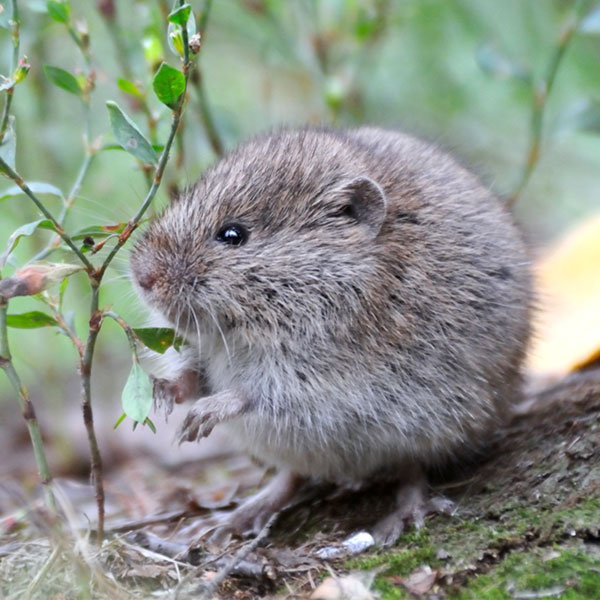
Voles are small mammals in the Cricetidae family. Most range from four to eight inches in body length, with short tails, small ears, and a rounded face. Their fur can vary by species, but are typically in shades of brown, red, or chestnut.
The meadow vole (Microtus pennsylvanicus), for example, has a thick coat of brown fur and a stocky build. Other types, like the woodland voles (Microtus pinetorum) and prairie voles, differ in size and fur density. Their small forepaws are adapted for digging shallow burrows in grassy or mulched areas, where they stay hidden under dense ground cover.
Signs of a Vole Infestation
Look for narrow surface runways winding through lawns or under mulch. These are the leading indicators of vole activity. You may also spot:
- Small entry holes leading to their burrow system
- Fresh grass clippings or chewed stems near the runway
- Gnawed bark around tree bases
- Areas of collapsed or dead vegetation, especially in garden beds
Unlike moles, which leave mounds of soil, voles leave no dirt piles and travel mostly on surface paths hidden by ground cover. A carefully planned pest control strategy, including wildlife trapping, will help reduce damage to your property and make sure the animal is removed in a humane way.
Habitat, Diet, Life Cycle & Behaviors
Voles thrive in outdoor spaces where there’s plenty of grass, moisture, and cover. Their habits and life cycles contribute to their ability to reproduce rapidly and spread throughout lawns and planting beds. The damage can be immense and expensive to repair.
Where Do Voles Live?
Meadow voles split their time between surface activity and shelter underground in their burrow system. These shallow tunnels are lined with grass, leaves, and stems. Overgrown areas or heavy ground cover offer protection from predators and the weather.
Grassy landscapes, grassland, orchards, and fields are typical habitats, though they’ll also nest in mulch beds, beneath brush piles, or in landscaped yards. Dense vegetation helps hide their trails. You may find greenish droppings or fresh clippings in and around their runways.
Diet
Voles are herbivores. Their diet includes grass, seeds, roots, stems, and vegetation from gardens and landscaping. They especially target the root systems of ornamentals, trees, and crops like alfalfa.
In winter or when food is scarce, voles gnaw the bark off young trees and shrubs, which can cause girdling (bark removal in a ring shape) and long-term damage. Though they may occasionally eat an insect or two, plant matter makes up nearly all their food intake.
Life Cycle
Voles have one of the shortest gestation periods among small mammals, just three weeks. A single female can produce five to ten litters per year, with three to six young per litter. The young are weaned within two to three weeks and quickly become mature enough to breed themselves.
Because of this high birth rate and short development time, vole populations can grow quickly, especially in regions with mild winters and ample food supply, like Florida.
Behaviors
These mammals are active year-round and do not hibernate. Most activity occurs between dawn and dusk, though some vole species remain active through the night. They build vast runway systems on the surface, hidden by ground cover, and use underground burrows for shelter and nesting.
They do not climb or jump well and typically stay at ground level. Unlike mice, they rarely enter buildings. Their natural instinct to gnaw helps wear down their ever-growing (hypsodont) teeth and contributes to the damage they cause to plant stems and tree bark.
Are Voles Dangerous?
Meadow voles rarely come into contact with humans and are no great threat to public health; however, they can carrying disease organisms, such as plague and tularemia, through contact with contaminated soil or droppings. Meadow voles are a significant pest to homeowners as they forage for food in gardens and landscaping, causing damage to orchards, tree plantings, and field crops. Vole damage to tree trunks normally occurs from a few inches above the ground to a few inches below ground. Meadow voles can also ruin lawns, golf courses, and ground covers. If you suspect a meadow vole issue, contact your local wildlife control company.
How to Get Rid of Voles
Wildlife traps may help catch a few voles, but if the population density is high, you’ll need a long-term exclusion plan. Removing dense ground cover, keeping lawns trimmed, and avoiding overwatering can make your yard less attractive to vole species.
However, DIY removal and exclusion only offer short-term relief. For long-term protection that you can trust, contact a wildlife control expert who understands how to identify and treat a vole infestation properly.
Vole Prevention Tips
To discourage voles from moving in:
- Remove thick mulch, brush piles, and tall grass along fence lines
- Keep lawns trimmed and avoid heavy watering
- Use tree guards to protect young trunks from chewing
- Avoid planting dense ground covers close to home foundations
By keeping the environment less favorable, you can reduce the chance of a vole infestation and help protect your landscaping investment.
Need Help with Nuisance Wildlife? We Can Help!
Local Florida Pest technicians are familiar with the vole species common to Florida, including meadow and woodland voles. Whether you’re seeing runways through your lawn or noticing gnawed plants and trees, we can inspect your property, identify the source, and help put a reliable wildlife exclusion plan in place.
Frequently Asked Questions
What Are Voles?
Voles are small, burrowing rodents that belong to the Cricetidae family. Often confused with mice, they have shorter tails, compact bodies, and small eyes and ears. Most commonly found outdoors, they build runways and burrow systems in grassy areas, feeding on vegetation, grass, and roots, and can cause serious damage to landscaping and crops.
Are Voles Blind?
Voles are not blind. While their eyesight is limited, compared to other mammals, they rely heavily on their sense of smell and touch to navigate their burrow system and locate food sources. Their small eyes are adapted for living in low-light conditions under dense ground cover and soil.
How Big Are Voles?
Most vole species, including the meadow vole, range from four to eight inches in body length, not including the tail, which is typically one to two inches long. Their short legs, round bodies, and blunt snouts give them a stocky appearance and help them move easily through dense vegetation and underground burrows.
Are Voles Nocturnal?
Voles are not strictly nocturnal. They’re considered crepuscular, meaning they’re most active at dawn and dusk. However, some vole species may also be active during the day or night, especially when searching for seeds, roots, or shelter. This can make detecting vole activity difficult until damage becomes visible.
Do Voles Have Tails?
They have short, furry tails that distinguish them from mice, which typically have long, hairless ones. A vole’s tail is about one-third the length of its body and helps with balance as it moves through its burrow systems and along surface runways.
Do Voles Hibernate?
No, they stay active year-round and do not hibernate. During colder months, they remain underground in nests, where they continue to feed on roots, bark, and hidden seeds. They may even share burrows with other vole species to keep warm in winter.