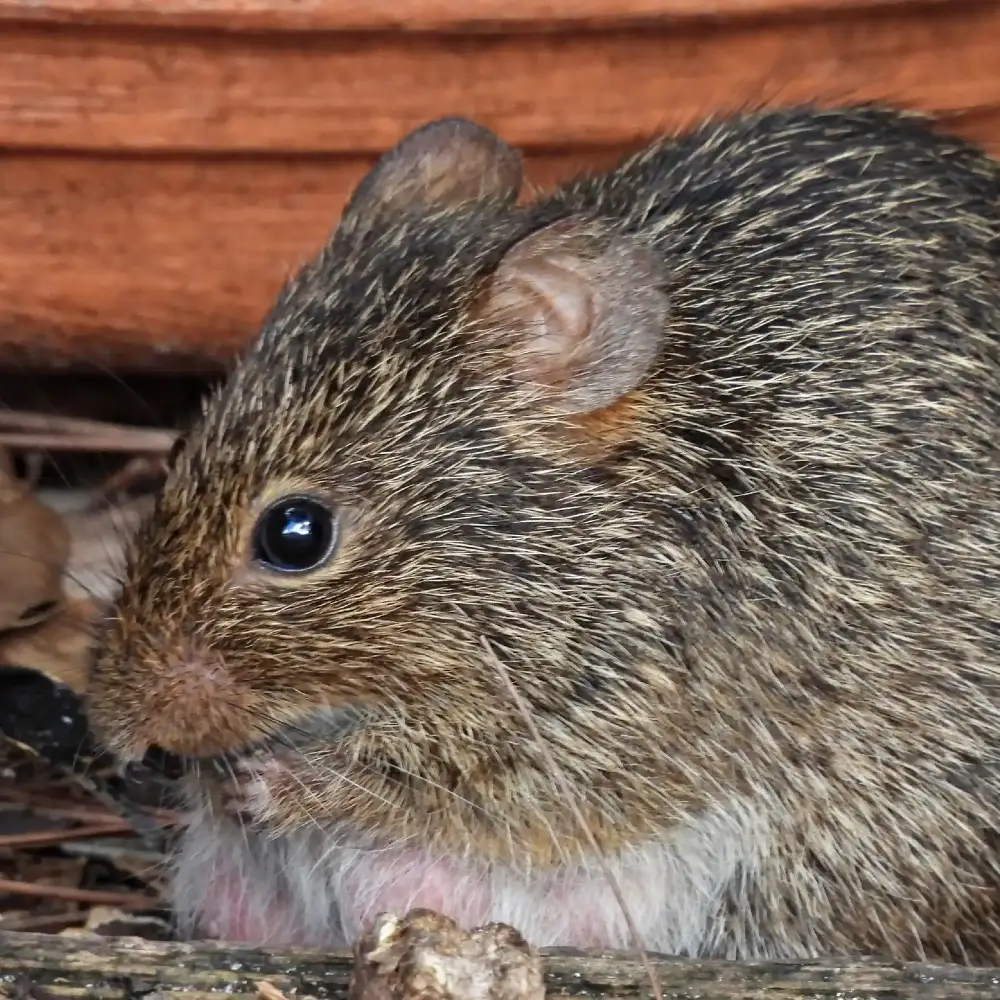
Hispid Cotton Rats in Florida
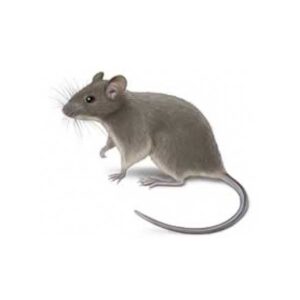
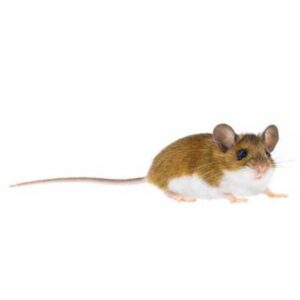
Sigmodon hispidus, or the cotton rat, is one of Florida’s most common wild rodents, often mistaken for a Norway rat or large mouse. Its name comes from its coarse, bristly fur and habit of nesting with soft plant materials like cotton fibers. Its fur is grizzled grayish-brown above and lighter beneath. Unlike the common house mouse or Norway rat, this native species doesn’t usually live alongside people, though it may come inside seeking food or shelter.
Cotton rats are an important part of Florida’s ecosystem, serving as key prey for hawks, owls, foxes, bobcats, and snakes, while their burrowing and foraging aid soil aeration and seed dispersal. However, when populations are high, they can cause serious problems—competing with ground-nesting birds like quail and turkeys and damaging crops such as grains, alfalfa, peanuts, and sweet potatoes. Managing their numbers matters for both the environment and homeowners.
How to Tell The Hispid Cotton Rat Apart from Other Rats
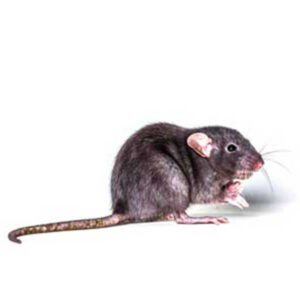
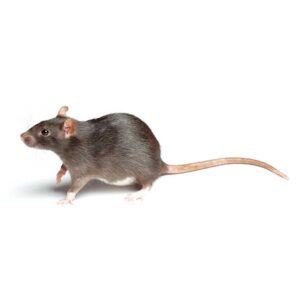
The hispid cotton rat is smaller and stockier than the Norway rat (Rattus norvegicus), with a shorter tail compared to its body. It is not as agile as the roof rat (Rattus rattus) and usually does not climb. Its rough, grizzled fur and short, scaly tail are the best ways to tell it apart. If you are not sure which rodent you have, a rodent identification guide can help.
Signs of a Cotton Rat Problem
If you’re noticing rodent activity around your property, a cotton rat could be the culprit. Look for these signs:
- Runways: Narrow, well-worn paths through grass and ground cover spreading out from a nest are a clear indicator of cotton rat activity.
- Burrows: Shallow, winding tunnels up to three feet long, with entrances hidden by vegetation.
- Nests: Globular above-ground structures roughly eight inches in diameter, made from dry grasses and shredded plant fibers.
- Droppings: Small droppings near food sources, garden beds, or along fence lines.
- Crop or garden damage: Chewed stems, missing fruits, or damaged root vegetables.
If you spot any of these signs, it’s worth getting a professional assessment. Our rodent control services can help identify the species and recommend the right course of action.
Habitat, Diet, Life Cycle & Behaviors
Cotton rats are highly adaptable rodents with a wide range across the southeastern United States. Understanding where they live, what they eat, and how they breed helps explain why populations can grow quickly, and why early action matters.
Where Does the Hispid Cotton Rat Live?
Burrows are shallow, winding tunnels up to three feet long, with entrances concealed by vegetation, while above-ground nests are globular structures roughly eight inches in diameter, made from dry grasses and lined with shredded plant fibers or fur.
One of the easiest ways to identify cotton rats is by the network of well-worn runways. These are narrow paths through grass and ground cover that spread out from the nest. These trails are a clear sign of cotton rat activity on your property.
Cotton Rat Habitat in Florida
Florida’s warm, humid climate is perfect for the hispid cotton rat all year, allowing populations to grow quite large. The state’s average temperatures and high rainfall help grow the dense grasses and broadleaf weeds that this species needs.
Developed areas aren’t off-limits either. Cotton rats will forage near homes, gardens, storage sheds, and outbuildings when food and cover are available.
Diet
Hispid cotton rats are primarily herbivores. Their diet includes:
- Grasses (Bermuda, Bahia, broomsedge, crabgrass)
- Broadleaf weeds, clover, and chickweed
- Seeds, berries, fruits, and nuts
- Roots, bark, and fungi
- Cultivated crops, including sugarcane, peanuts, corn, and melons
- Insects and bird eggs, when available
Cotton rats mostly search for food at night, cutting and collecting plant material to store in their burrows. They can survive without drinking water as long as they eat moist, juicy plants.
Life Cycle
The hispid cotton rat is one of the most prolific mammals in the southeastern United States. In Florida, breeding happens year-round, with a peak from late spring to early fall. Key facts:
- Gestation: Approximately 27 days
- Litter size: One to 15 young, averaging around five to seven
- Weaning: Young are weaned in just 10 to 15 days
- Sexual maturity: Females can reach maturity in as little as 30 days; males by 60 days
- Litters per year: Females can have several litters each year and may mate again within 24 hours of giving birth
Despite this high reproductive output, the average lifespan in the wild is under one year. Populations can fluctuate dramatically depending on habitat conditions and predator pressure.
Are Hispid Cotton Rats Dangerous?
The hispid cotton rat is considered a public health pest, serving as a reservoir for several diseases. These include Hantavirus, spread through contact with infected droppings, urine, or nesting material; Leptospirosis, transmitted via infected urine that contaminates soil or water; and Lymphocytic choriomeningitis (LCMV), spread through saliva, urine, or feces.
They are also known to transmit rat-bite fever through bites or scratches and Salmonellosis through feces contaminating surfaces or food.
Cotton rats can also cause allergic reactions and make asthma worse for people who are sensitive, especially if the rats nest near or inside buildings. If you have flu-like symptoms after being exposed to rodent droppings, urine, or nesting material, see a healthcare professional right away.
Cotton Rat Prevention Tips
Reducing the conditions that attract cotton rats is the best first step. Here’s what you can do:
- Mow regularly: Keep grass and ground cover trimmed to remove the dense vegetation cotton rats rely on.
- Clear clutter: Remove piles of debris, wood, or stored materials from around sheds and outbuildings.
- Seal entry points: Block gaps around garage doors, vents, and crawl spaces to prevent access.
- Secure food sources: Keep trash bins tightly covered and store pet food in sealed containers.
- Remove fallen fruit: Pick up any fallen fruit from trees regularly, as it attracts foraging rodents.
- Manage garden waste: Clear plant debris and compost piles to prevent them from serving as nesting material.
DIY measures can help reduce activity in the short term, but they rarely solve the root problem. For lasting results, professional rodent control services are the most reliable option.
Florida Pest Control Can Help with Your Rat Problem
If you think you have a rat-infested house, it is important to act quickly to control the infestation and reduce the health risks posed by these rodents.
At Florida Pest Control, our qualified local specialists are backed by global knowledge and innovation. We can provide the most effective services to eliminate rats. We can also advise you on how to deter rats and avoid a rat infestation in your home or business.