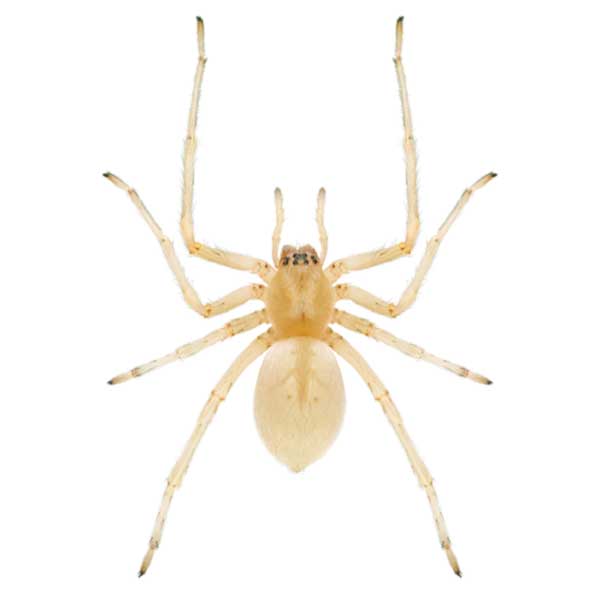
Sac Spiders in Florida
Indigenous to North America, the Cheiracanthium inclusum yellow (black-footed) sac spider is common in Florida and the main sac spider found across the continent. A related species called Cheiracanthium mildei, is also widespread across the region but was introduced from Europe by English colonists.
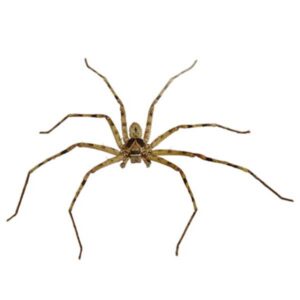
The small Cheiracanthium inclusum sac spider is typically pale yellow to greenish in color, although in certain light, it may appear to be a clear spider. They are eight-legged arachnids with long, slender, and dark-tipped legs. Their tarsi (or last segments of their legs) point straight down, unlike other common spiders, which helps with identification.
Unlike the brown recluse, the sac spider lacks the violin-shaped marking, and usually enters homes by accident. It hunts other spiders and small insects, contributing to natural pest control. Sac spiders, like the yellow sac spider in Florida , are active at night and do not rely on webs to catch their prey. Although they may help reduce insect populations outside, their presence indoors is usually unwanted and unsettling, making professional spider extermination services a practical solution.
Sac Spider Habitat
Sac spiders build protective silk sacs under bark, leaves, or mulch to hide and protect their eggs. They rest in these sacs by day, hunt at night, and often leave them behind to build new ones, making this species seem a bit nomadic.
These spiders may enter homes in the fall when outdoor temperatures drop and sometimes enter homes on produce, like grapes, or in boxes and containers. Once inside, the fast-moving yellow sac spider will climb walls, hiding in corners, ceiling joints, behind furniture, or where walls meet other surfaces. While often hard to spot, their silk retreat is a giveaway of one or more spiders nearby.
Sac Spider Behaviors, Threats, or Dangers
Sac spiders do not use webs to catch prey. Instead, they are active nocturnal hunters, using their front legs to detect vibrations and smells, seizing their prey with specialized hairs and claws. Their diet mostly consists of small insects and arthropods such as flies, mosquitoes, ants, aphids, thrips, mites, and small moths.
This also means that while their primary diet is smaller insects, they can occasionally capture larger prey like caterpillars and grasshoppers. They may also feed on nectar, which can enhance their survival, growth, and ability to reproduce, especially when insect prey is scarce. When other food is really limited, yellow sac spiders may even resort to cannibalism, eating other spiders or even their own eggs.
The bite from a yellow sac spider can be painful, although it is not deemed medically dangerous for most people. Symptoms may include localized swelling, redness, and, in some cases, a sore that takes time to heal. These bites are often confused with those of the brown recluse spider, but reactions from sac spider bites tend to be milder.
Some people may experience a stronger reaction due to allergies. If a bite leads to swelling, spreading redness, or other worsening symptoms, you should seek advice or treatment from a healthcare professional.
How to Get Rid of Sac Spiders?
While DIY methods, such as sticky traps, can help detect spiders, they often provide only short-term relief as they don’t address the root cause. If you’ve seen a yellow or tan spider, it’s worth having an expert confirm its identity and recommend a long-term plan to limit future activity. To effectively manage sac spiders indoors, start by identifying and sealing entry points such as cracks around doors, windows, and building foundations.
Additionally, remove clutter inside the home and vacuum regularly, paying close attention to corners and areas where these spiders might hide or build their characteristic sacs. Tidying outside spaces, such as clearing yard debris and decaying matter, like bark and fallen leaves, also helps.
For a comprehensive solution, consider working with local Florida spider exterminators who understand the habits of sac spiders in Florida homes.
Frequently Asked Questions
What Does a Yellow Sac Spider Bite Look Like?
A bite from a yellow sac spider often appears as a small red bump. If scratched, it may develop into a blister or open sore. Pain and itching are common. While most bites heal without serious problems, individuals who notice spreading redness, persistent swelling, or discomfort should contact a medical provider.
Is a Yellow Sac Spider Poisonous?
The yellow sac spider is venomous. However, it is not considered dangerous to the average person and doesn’t present a serious health risk in most cases. If you’re unsure about the spider or its bite, consult a healthcare professional for advice.
What Are The Risks With Sac Spiders?
Young children and pets may be more likely to disturb a sac spider without realizing it, increasing the chance of a bite. If bitten, they might scratch or lick the area, which could lead to further irritation or possible infection. Always speak with a healthcare provider or veterinarian if you’re worried about a suspected bite and potential risks.