Florida Vacation Rental Pest Control

Florida home and front garden on sunny day

Keep Guests Happy and Reviews Clean

Florida’s vacation rental market is booming but it comes with unique challenges. One of the most overlooked risks to both guest satisfaction and online reviews? Pests. Whether it’s ants in the kitchen or a fly buzzing around the bathroom, even minor issues can damage a guest’s experience and your property’s reputation.


Why Florida Vacation Rentals Face Higher Pest Pressure

Unlike hotels, which often have consistent maintenance schedules, vacation rentals vary widely in how often and how thoroughly they’re cleaned. One property may receive a deep clean between guests, while another may get only a quick tidy-up. That inconsistency, paired with Florida’s warm, humid climate, creates the perfect conditions for pests to thrive.

Add to that seasonal traffic patterns, back-to-back bookings, and guests who may leave crumbs, trash, or open food behind, and you have a recipe for infestation. Pests don’t need much to settle in, and once they do, they’re not easy to remove without disrupting future stays.


Common Pests in Florida Rental Properties

The most frequently reported pests in Florida vacation homes include:

  • Ants: Attracted to sugary spills, open food, and crumbs on floors or countertops.
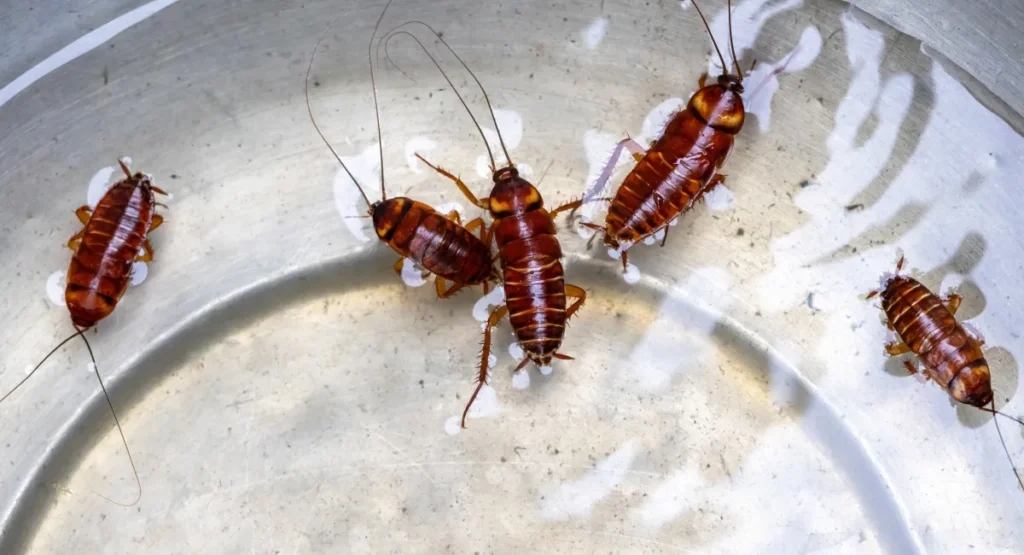
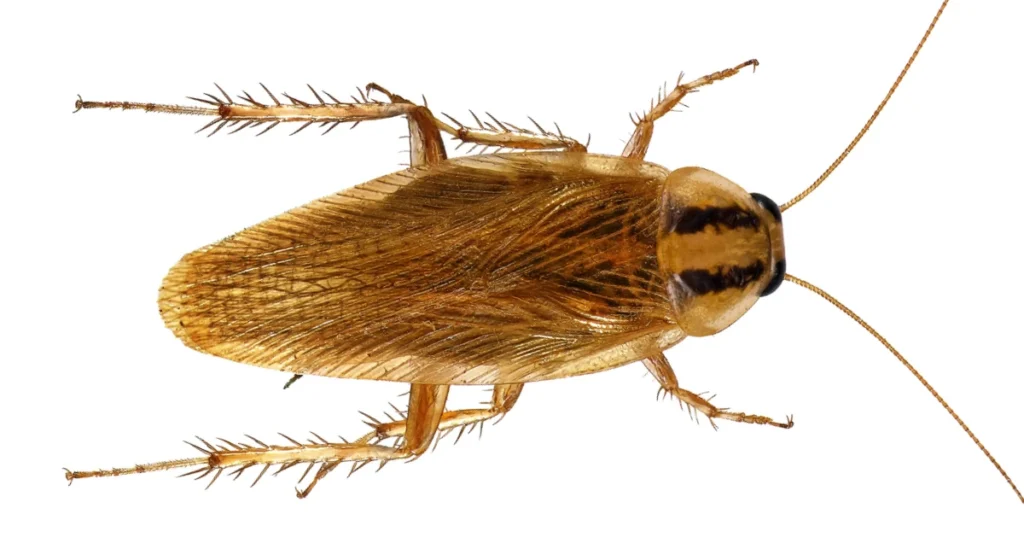
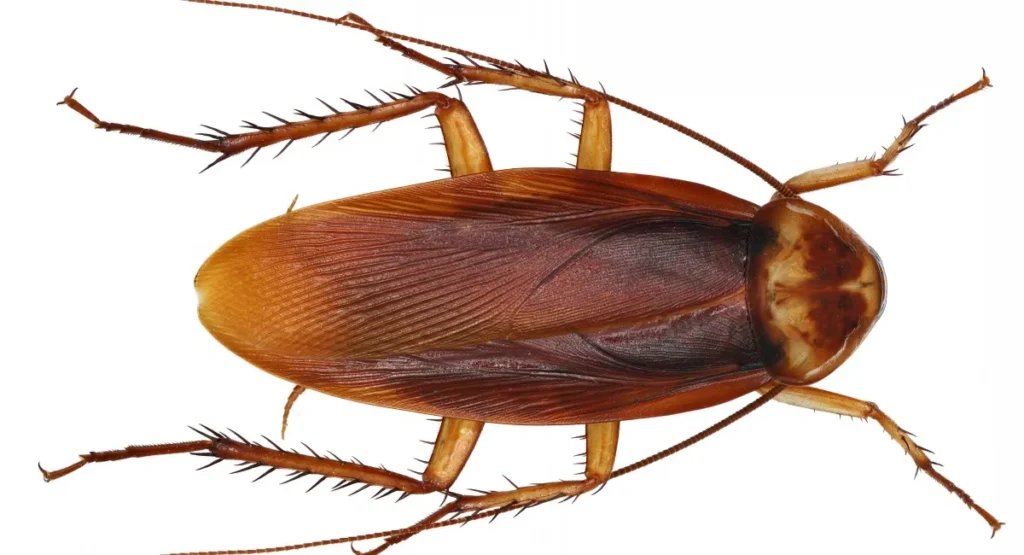
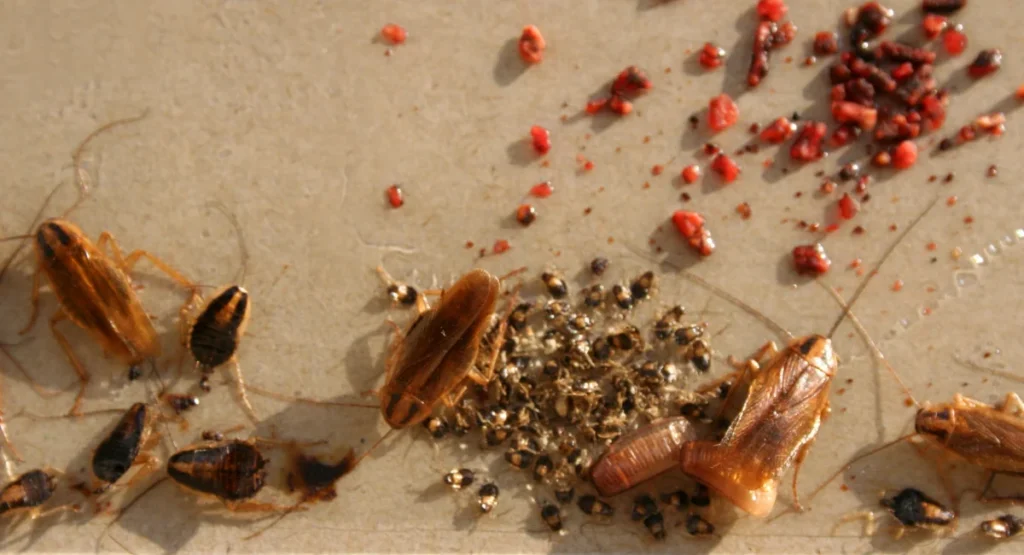
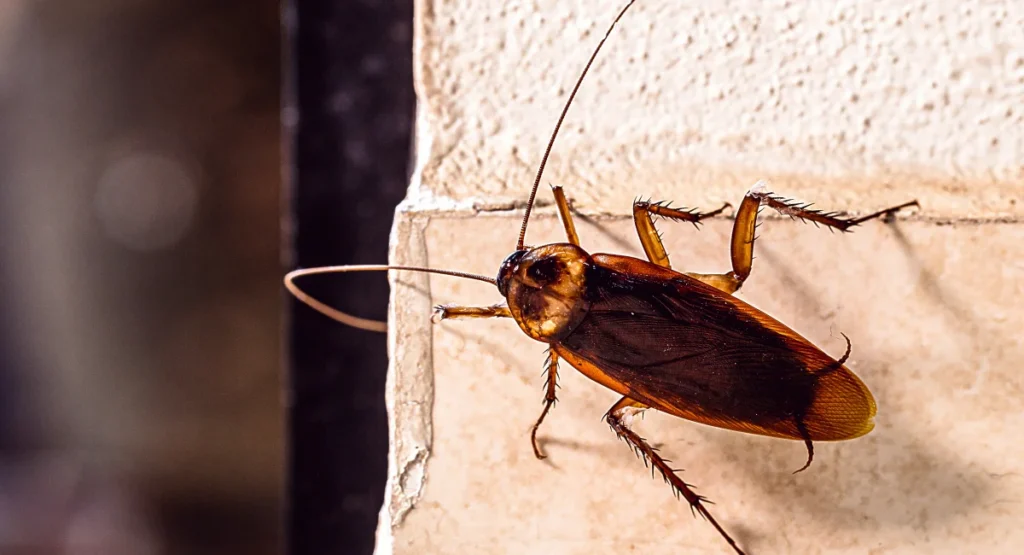
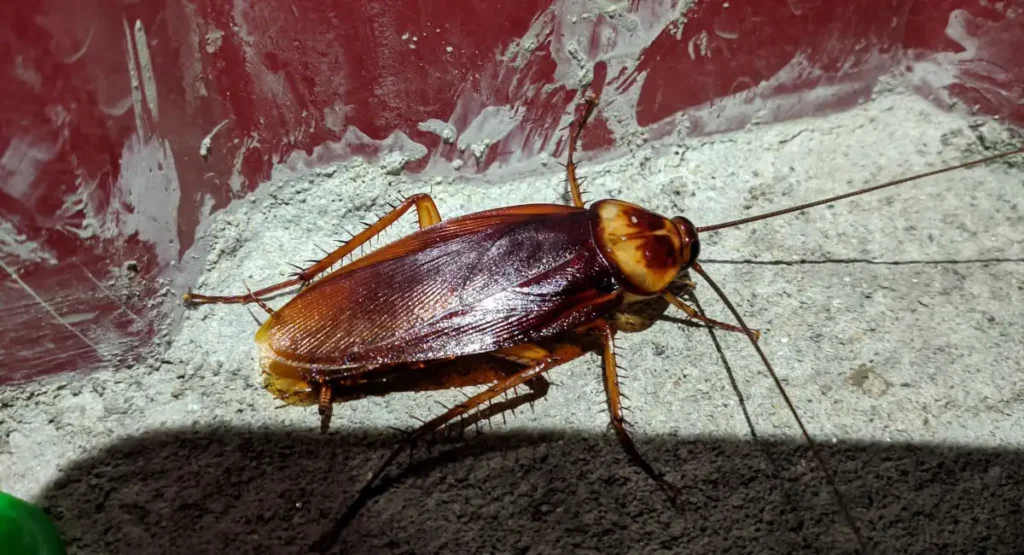
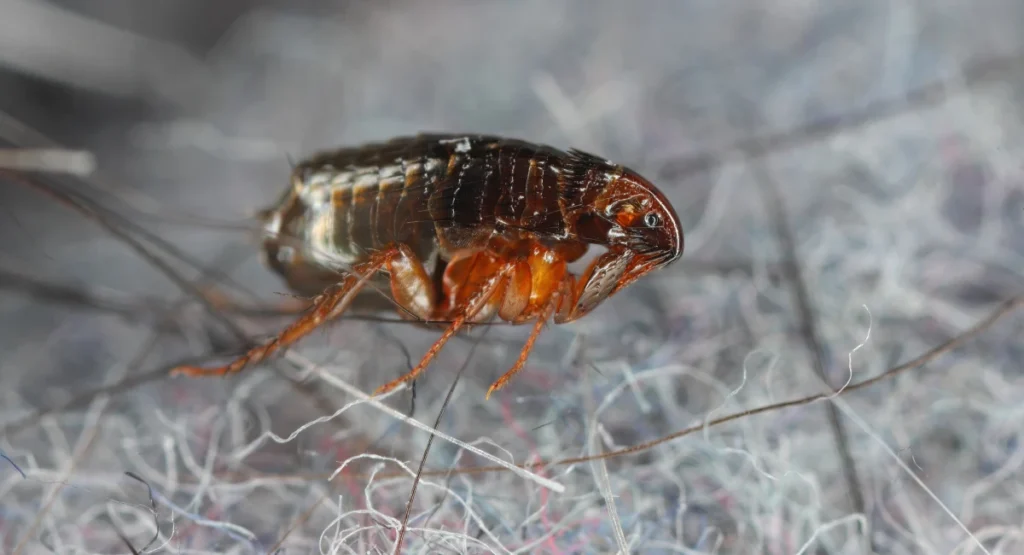
  • Cockroaches: Thrive in warm, damp areas like under sinks or behind appliances.
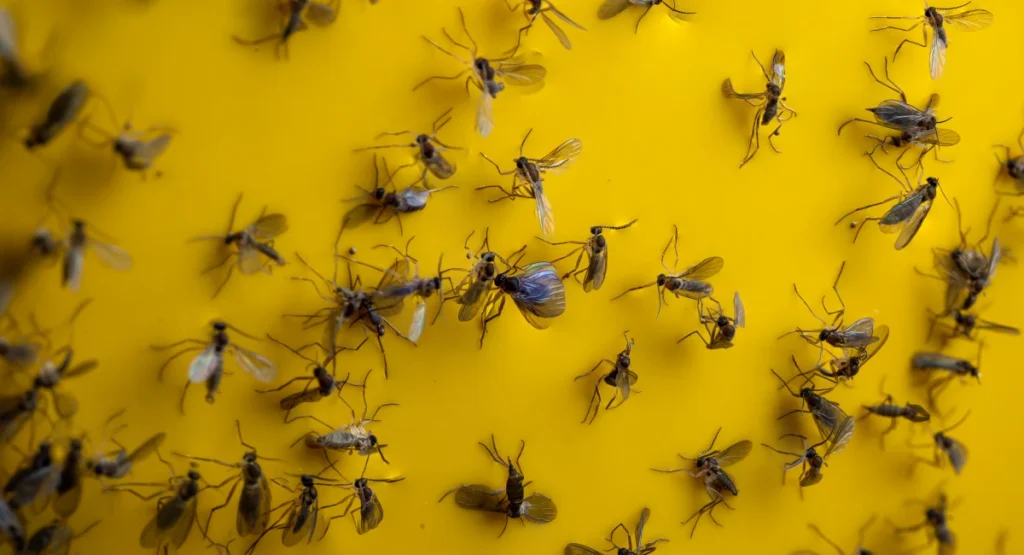
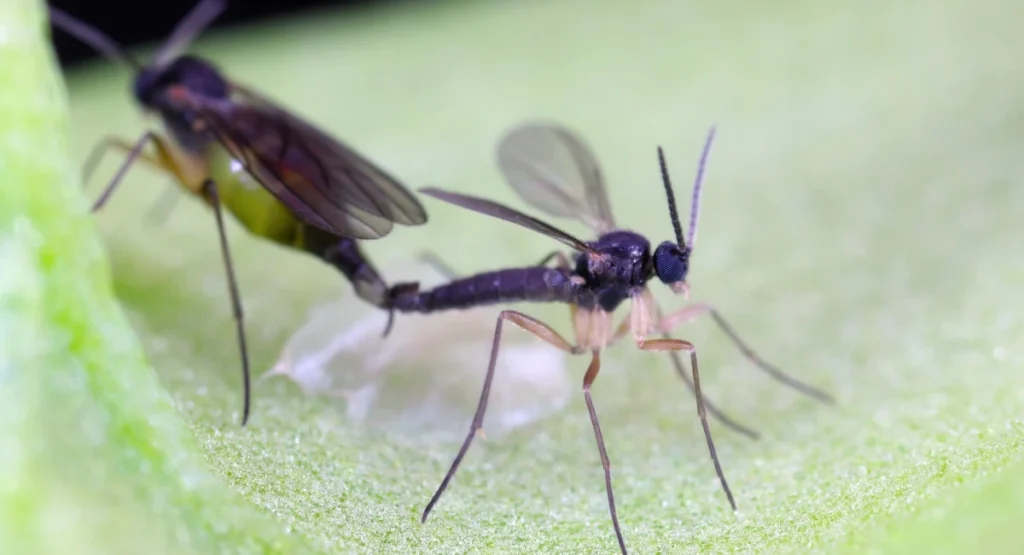
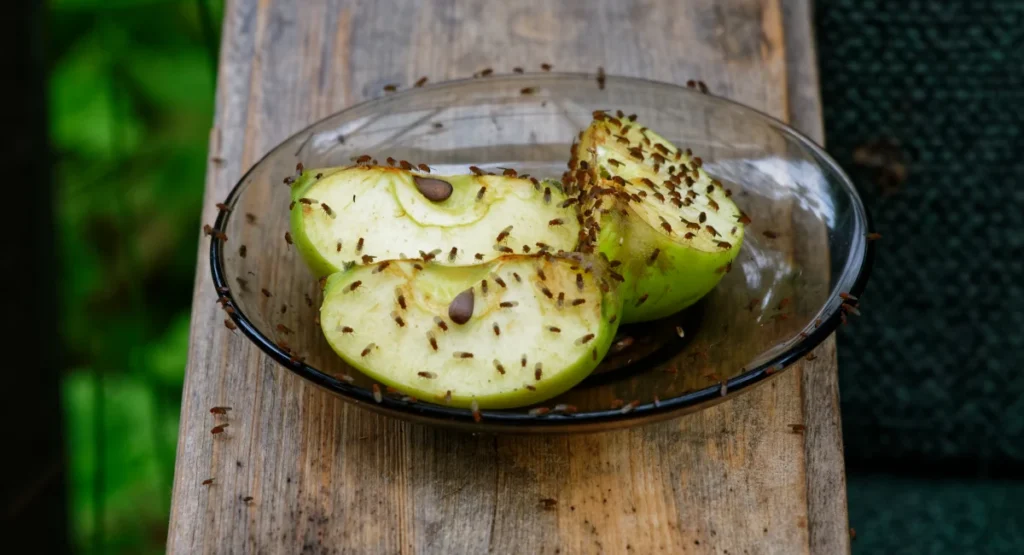
  • Flies: Multiply quickly and are drawn to uncovered trash, fruit bowls, and drains.
  • Mosquitoes: Can breed in outdoor spaces with standing water and sneak in through open doors.
  • Rodents: In cooler months, rats and mice may seek shelter in attics, crawlspaces, or wall voids. 

These pests can enter through small cracks, open windows, or doors left ajar. Once inside, they can spread quickly, especially if the property sits vacant for even a few days without being checked.


The Impact on Guest Experience and Reviews

Most vacation rental guests expect a hotel-level standard of cleanliness. Even something as simple as a fly buzzing around a bedroom lamp can feel unacceptable. Worse, guests often turn to public review platforms to vent their frustrations. One pest-related review can deter dozens of future bookings. Florida Pest Control commercial services help prevent these situations with consistent protection between guest stays.

Pest issues also increase the risk of refund requests, lost revenue, and additional cleaning or treatment costs. And if left unresolved, infestations can trigger property damage, such as chewed wiring or stained surfaces.


Pest Prevention Tips Between Guest Stays

The best defense is a consistent, proactive plan. Property managers and vacation homeowners should:

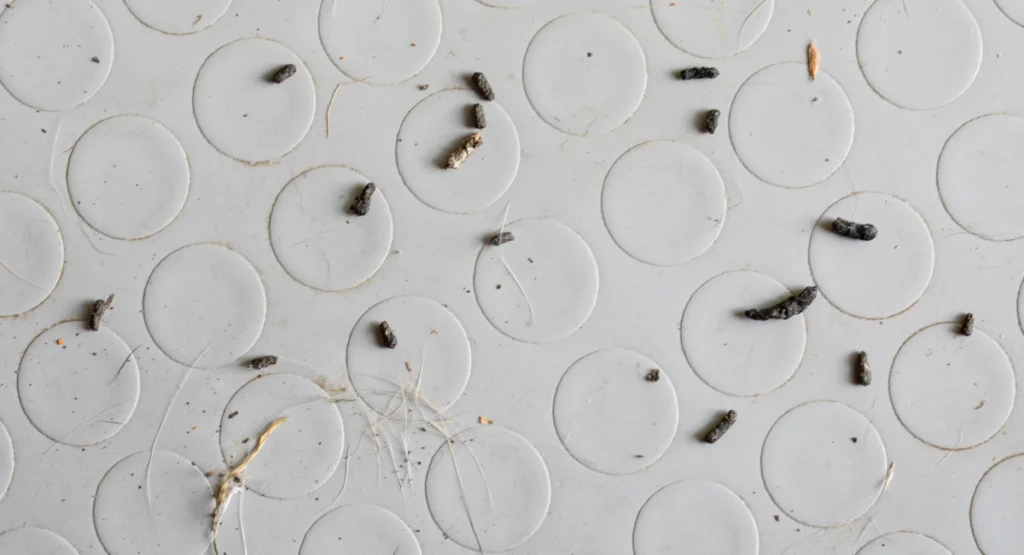
  • Inspect regularly: Look for signs of activity like droppings, dead insects, or nesting material.
  • Seal gaps: Ensure doors, windows, and utility openings are properly sealed.
  • Schedule deep cleans: At regular intervals, go beyond surface cleaning to target drains, bins, and less-visible areas.
  • Manage moisture: Fix leaks and ensure areas like kitchens and bathrooms are well-ventilated.
  • Empty trash: Ensure trash cans (indoor and outdoor) are emptied, cleaned, and sealed before each new guest arrives.

It’s also a good idea to leave pest prevention guidance for cleaning crews or turnover teams so they know what to look for and how to report early signs of a problem.


Seasonal Considerations for Florida Rentals

Florida’s climate varies from region to region and season to season and so does pest behavior. For example:

  • Summer brings more flies, ants, and mosquito activity due to heat and rain.
  • Fall and winter see an increase in rodents moving indoors to escape cooler temperatures.
  • Hurricane season can drive pests to seek higher, drier shelter, like inside your property.

Working with a pest control provider who understands Florida’s seasonal cycles can help tailor service to the specific times pests are most likely to strike.


Protecting Your Investment and Your Guests

Vacation rentals are more than properties, they’re businesses built on trust, guest experience, and consistent quality. Pest issues can quickly erode that trust, no matter how stunning the décor or well-stocked the amenities.

Whether you’re managing a single beachside unit or overseeing multiple properties, a proactive pest control strategy is essential. Regular inspections, seasonal treatments, and awareness across your cleaning and turnover teams all contribute to a smooth operation and satisfied guests.

With Florida’s year-round pest pressure, it pays to be proactive. Because no one leaves a five-star review when they see a cockroach in the kitchen. 

Contact us today for assistance with controlling pests in your property portfolio.

The Real Reason Florida Properties Struggle with Fly Infestations

5 flies eating sugar

Florida’s warm, humid climate may be perfect for palm trees and tourism, but it also creates ideal conditions for flies. For property managers overseeing multi-family homes, apartment blocks, or vacation rentals, fly problems are more than a nuisance. They can affect tenant satisfaction, impact compliance, and damage reputations.

So why do fly issues keep coming back, even when you’re doing everything right?

The answer often lies in what’s missed. Fly breeding can begin in areas that aren’t part of routine cleaning, and once it starts, it spreads fast. Understanding what attracts flies, how they multiply, and where they hide is key to stopping the cycle.


Fly Life Cycle Issues in Florida Buildings

In Florida’s warm climate, flies can complete their life cycle, from egg to adult, in just 10 days. Once mature, they reproduce quickly, feeding on everything from sugary spills to decomposing matter in bins and drains. Their ability to breed rapidly makes it critical to address fly issues early before they spread.

Most infestations don’t begin with visible fly activity. Instead, they start in warm, damp areas like mop sinks, floor drains, and trash storage rooms. These environments provide the perfect conditions for fly eggs and larvae to develop. If left untreated, these areas become breeding grounds, leading to fly problems across multiple units or buildings.

Preventing the spread of fly infestations in Florida buildings requires early detection and proactive measures. Routine inspections of high-risk areas, regular drain and bin cleaning, and proper waste management can help reduce fly breeding sites. Additionally, installing fly traps and implementing proactive pest control measures can significantly mitigate the risk of infestations, keeping your property clean and compliant.

Managing Fly Risks Infographic

Managing Fly Risks Infographic

For a visual guide on how to tackle fly infestations in Florida buildings, download our Fly Control and Prevention Infographic.

Download Your Copy


Common Fly Hotspots in Managed Properties

Even well-maintained properties can have hidden fly hotspots. Flies don’t need much to thrive, just moisture, organic buildup, and a small window of opportunity. While janitorial teams may clean what’s visible, less obvious trouble spots are often overlooked, providing the perfect environment for flies to breed.

Flies commonly gather and breed in areas such as:

  • Garbage chutes or recycling zones that stay damp
  • Overflowing drain pans in HVAC closets
  • Sink drains with organic buildup
  • Trash bins left uncovered or unemptied

These conditions attract a range of species, including house flies, fruit flies, and drain flies. Left unchecked, even small sanitation gaps can lead to infestations that spread across shared spaces and multiple units.


Fly Sightings Signal Underlying Issues

A few flies might seem harmless, but for property managers, they’re often a sign of deeper maintenance or sanitation problems.

Repeated fly activity can point to:

  • Missed service coverage across multi-site portfolios
  • Blocked or untreated drains
  • Infrequent bin cleaning or removal
  • Gaps between pest control visits

Addressing the source early can prevent tenant complaints, protect online ratings, and reduce the likelihood of recurring infestations. Regular, proactive maintenance is key to keeping fly issues under control and ensuring the long-term health of the property.


How Property Managers Can Reduce Fly Problems

Fly control starts with consistency, visibility, and targeted support. Florida property managers can strengthen their approach with the following:

Start by scheduling routine checks of high-risk areas like dumpster pads, kitchens, and utility rooms. Make sure your on-site staff knows what to look for and when to report concerns. Ask your pest control partner about solutions beyond surface treatments. Services like drain line treatment, entry-point sealing, and LED fly light technology can significantly reduce fly activity in shared spaces. These tools don’t just eliminate visible flies – they disrupt the breeding cycle and improve sanitation long term.
Standardizing service across properties, especially during Florida’s peak heat and rain months, can make a big difference.

To address issues like untreated drains and recurring infestations, Florida Pest Control offers targeted fly control services built for properties with high turnover and shared amenities. For portfolio managers, our Property Management Solutions help streamline protection across every site.


Book a Fly Control Inspection Today

Fly infestations don’t go away on their own. They often return when one piece of the puzzle is missed, like a forgotten bin area or untreated drain. A single oversight can restart the cycle.

With decades of experience protecting Florida properties from climate-driven pest challenges, Florida Pest Control understands how to adapt strategies for everything from beachfront rentals to urban apartment complexes. Book an inspection with Florida Pest Control and get expert recommendations tailored to the unique layout and needs of your properties. A proactive approach can help protect your spaces, reassure tenants, and reduce service calls over time.


Managing Pest Risks Around Pools, Clubhouses, and Resident Amenities for Florida Property Managers

Shared pool area at a modern Florida apartment complex, a common hotspot for pest activity in resident amenities.

Resident amenities such as pools, clubhouses, and common outdoor spaces attract tenants but can also become hotspots for pests. These areas provide essential resources like food, water, and shelter that pests need to survive. For property managers, keeping these spaces protected from pests is critical to tenant satisfaction, maintaining health standards, and preserving the value of your properties.

Why Pools and Clubhouses Are Hotspots for Pest Activity in Florida

Pools and water features create warm, humid conditions ideal for mosquitoes and other insects. Standing water in drains, fountains, or poorly maintained pools offers ideal breeding sites for mosquitoes, which often leads to tenant complaints and potential health issues.

Clubhouses typically include kitchens, trash bins, or break rooms, attracting rodents, ants, and cockroaches searching for food and shelter. Nearby landscaped gardens, outdoor seating, and storage sheds may also serve as nesting locations for wasps, spiders, and rodents.

Key Pests Common Near Pools, Clubhouses, and Community Spaces

Mosquitoes frequently breed in stagnant water near pools and fountains. Rodents such as rats and mice seek shelter and food inside clubhouses and storage areas. Ants and cockroaches are drawn to food debris and damp environments, especially in kitchens and trash zones. Wasps and bees may build nests in eaves, sheds, or landscaped areas, while spiders and other insects thrive in dense vegetation and quiet corners.

Overcoming Pest Challenges Property Managers Face in Shared Facilities

Managing pest risks in shared spaces like pools, clubhouses, and outdoor areas presents unique challenges for property managers. These areas experience high tenant traffic and varied use, which can increase opportunities for pests to thrive. Trash is often generated from multiple sources, making control difficult without coordinated efforts.

Additionally, coordinating maintenance across multiple units and tenant schedules can complicate pest prevention efforts. Tenants may have different levels of awareness or commitment to cleanliness, affecting how well shared areas are kept pest-free.

Weather events like storms can exacerbate these issues by causing water accumulation or structural damage, which create new pest entry points.
To address these challenges, property managers need clear communication strategies, tenant engagement programs, and reliable pest control partnerships that offer flexible scheduling and customized solutions tailored for shared amenities.

Practical Pest Control Strategies Around Pools and Common Areas

Property managers can take several practical steps to reduce pest risks around resident amenities:

  • Conduct regular inspections of pools, drains, landscaping, and clubhouse interiors to detect pest activity early.
  • Ensure trash bins are covered and emptied frequently to minimize food attractants.
  • Maintain pools, fountains, and drainage systems to prevent standing water that breeds mosquitoes.
  • Seal cracks, vents, and gaps in buildings to block pest entry points.
  • Educate tenants on keeping amenity areas clean, disposing of trash properly, and reporting pest sightings promptly.
  • Partner with professional pest control services for routine treatments and fast response to any pest issues.

Regular maintenance combined with tenant cooperation can significantly reduce pest-related issues and improve the overall living environment.

Protect Communal Spaces with Florida Pest

Partnering with Florida Pest provides access to specialists familiar with the unique pest challenges presented by resident amenities. We offer customized treatment plans tailored to your property’s specific requirements, along with year-round maintenance programs. Contact Florida Pest to learn how we can support your property, freeing you to focus on your broader property management duties.

How Florida Property Managers Can Minimize Pest Risks During Hurricane Season

Florida multifamily community with water features and palm trees, at risk for pest activity during hurricane season.

Hurricane season in Florida brings unique challenges for property managers overseeing apartment complexes, multifamily buildings, condominiums, and landlord-managed rental homes. Beyond the obvious threats of storms and flooding, heavy rains and high winds create conditions that encourage pest activity. Standing water, damaged structures, and debris can attract rodents, insects, and other pests seeking shelter.

Whether you manage a large apartment community or several smaller rental properties, you have enough to deal with when a hurricane is approaching. Chances are pest control isn’t high on your list of priorities. Preparing for storms and managing repairs is a huge job on its own. Yet even after immediate repairs are finished, your property can still be at risk from pests. These pests can cause damage over time, potentially undoing the work you’ve just completed. And even if the hurricane itself doesn’t directly damage your property, harsh weather can create entry points and weak spots, especially through vulnerabilities like drain lines, letting pests in when you least expect it.

For property managers, staying ahead of these risks is key to reducing potential damage, tenant complaints, and costly repairs. By taking proactive steps before and after storms, you can help maintain building conditions that limit pest entry and encourage quicker recovery.

Preparing Your Property During Hurricane Season

At this stage, your goal is to prevent pest problems before storms arrive. Focus on proactive measures that limit pest attraction and entry:

  • Conduct a thorough inspection to identify vulnerable spots where water collects or pests could enter.
  • Ensure gutters, downspouts, and drainage systems are clear and functioning to prevent standing water that attracts pests like mosquitoes.
  • Remove outdoor debris, leaf piles, and trash that could serve as shelter or breeding grounds.
  • Seal cracks, gaps, and openings around doors, windows, and utility lines to block pests before they find a way inside.
  • Maintain window screens, door sweeps, and other physical barriers to strengthen your property’s defenses.
  • Communicate with your maintenance team and tenants about securing trash and eliminating water sources promptly, reducing attractants in advance.

The focus here is on preparedness and prevention, reducing the chances pests have to enter your property during the height of hurricane activity.

Managing Pest Risks After a Hurricane

Once a storm passes, the risk of pests often increases. New challenges can arise as your building faces greater exposure to the elements, even if you have never dealt with these pests on the premises before. Hidden conditions like moisture buildup create an inviting environment that may not always be easy to spot.

Inspect all your managed properties carefully for damage, focusing on entry points such as broken windows, torn screens, damaged siding, or displaced vents that create new pest access. For apartment buildings, common areas like basements, loading docks, and shared outdoor spaces are especially vulnerable.

Check for water pooling around foundations and clogged drains that may serve as breeding grounds for mosquitoes and other insects. Remove fallen branches, trash, and other debris as soon as possible, since these provide shelter for rodents and insects.

Ensure that trash bins across your properties are intact and securely covered to prevent attracting pests, even after the disruption caused by the storm.

Coordinating with a pest control provider to schedule follow-up inspections and treatments can help catch early signs of infestations and support a faster recovery.

Tenant Communication During Hurricane Season

Effective pest management isn’t just about maintenance; it also depends on keeping tenants informed and involved. Clear communication helps set expectations and encourages cooperation, which is essential to reducing pest risks.

If you cannot inspect the property yourself before a storm, make sure someone knowledgeable is on site to check for potential problem areas. This could be a trusted maintenance employee or a reliable tenant who understands the importance of spotting issues early. Having someone present helps catch concerns like water pooling, debris buildup, or damaged screens before pests take advantage.

Educate tenants on how their actions impact pest activity. Encourage them to keep doors and windows closed or properly screened, securely store trash in designated bins, and report any signs of pests or water leaks promptly. Providing easy-to-understand guidelines or flyers makes these messages more accessible. You can also share Florida Pest’s Pest Library with tenants to help them recognize signs of pest activity.

Regular updates about maintenance schedules, inspections, and pest control efforts build trust and transparency. When tenants know what to expect, they are more likely to help maintain a clean, pest-resistant environment.

Incorporating Pest Prevention into Maintenance Plans with Florida Pest

Hurricane season brings increased pest risks to Florida’s multifamily properties, making it essential to incorporate pest prevention into your regular maintenance plans. You don’t have to face these challenges alone. Florida Pest specializes in working with property managers like you to identify vulnerabilities, implement proactive pest prevention, and respond quickly when issues arise. Scheduling routine inspections focused on vulnerable areas such as entry points, drainage systems, and landscaping helps catch problems early and prevents costly infestations.

By partnering with Florida Pest, you gain access to expert inspections, tailored exclusion services, and year-round maintenance plans designed specifically for your property’s needs. Our team understands the seasonal pressures Florida properties face and works closely with property managers to protect your investment and maintain tenant satisfaction throughout hurricane season and beyond.

Contact Florida Pest today to schedule a consultation and learn how our comprehensive pest control solutions can support your property management goals.

The Real Cost of Hotel Pest Problems

Florida beachfront hotel at sunrise, a prime target for pests due to its climate, landscaping, and guest turnover.

How to Train Staff to Prevent Them

In Florida’s competitive hospitality industry, first impressions matter and so does what’s lurking behind the walls. Hotel pest control in Florida is not just about treating visible issues. Pests are a direct threat to your reputation, your bottom line, and your guest satisfaction scores. A single online review mentioning a cockroach or bed bug can undo months of marketing effort and lead to costly consequences. When you invest in reliable hotel pest control in Florida, you protect every aspect of the guest experience.

Your team can be your best defense. By training hotel staff to identify early signs of pest activity and understand how infestations occur, you can prevent problems before guests ever notice and before the costs spiral out of control.

What Pests Really Cost Your Hotel

A pest problem in a hotel doesn’t just disappear after the guest checks out. It often leads to a chain of financial consequences. These can include refunded stays, lost revenue from closed rooms, emergency pest treatments, and the cost of replacing furniture, linens, or carpets. In some cases, hotels may also face legal expenses if a guest decides to file a claim.

Reputation damage can be just as costly. One negative review that mentions pests can lower your ratings, slow down bookings, and weaken trust in your brand. Even loyal guests may think twice about returning if they see signs of ongoing issues.

Operationally, pest complaints disrupt your daily flow. Staff spend extra time handling concerns, adjusting room schedules, and coordinating with pest control services. Housekeeping and maintenance teams lose valuable hours, which can impact service during the busiest times of year.

Florida Hotels Face Unique Pest Pressures

The Sunshine State offers the perfect environment for pests to thrive. Warm weather, high humidity, and a steady stream of travelers create ideal conditions for infestations. Effective hospitality pest management is essential to protect both guests and property value.

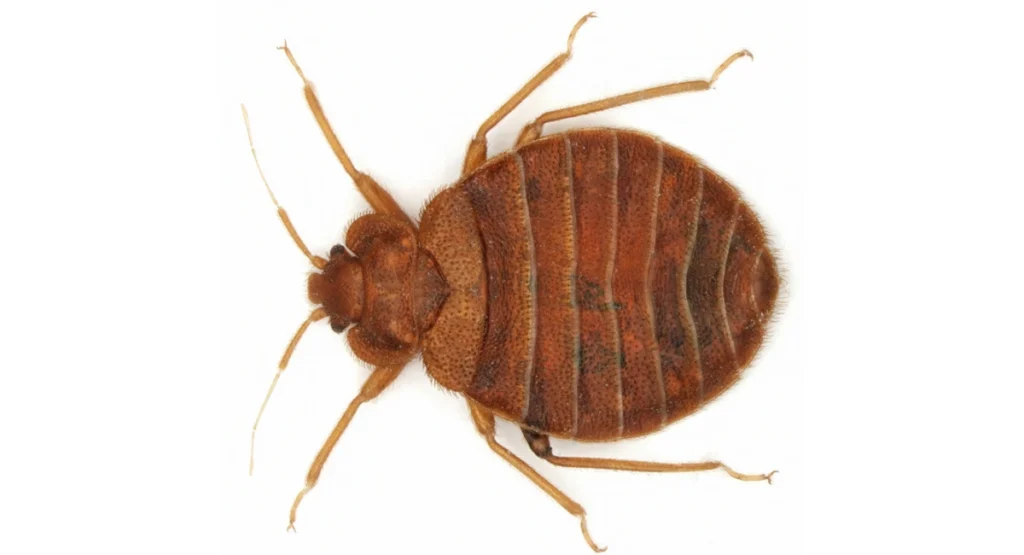
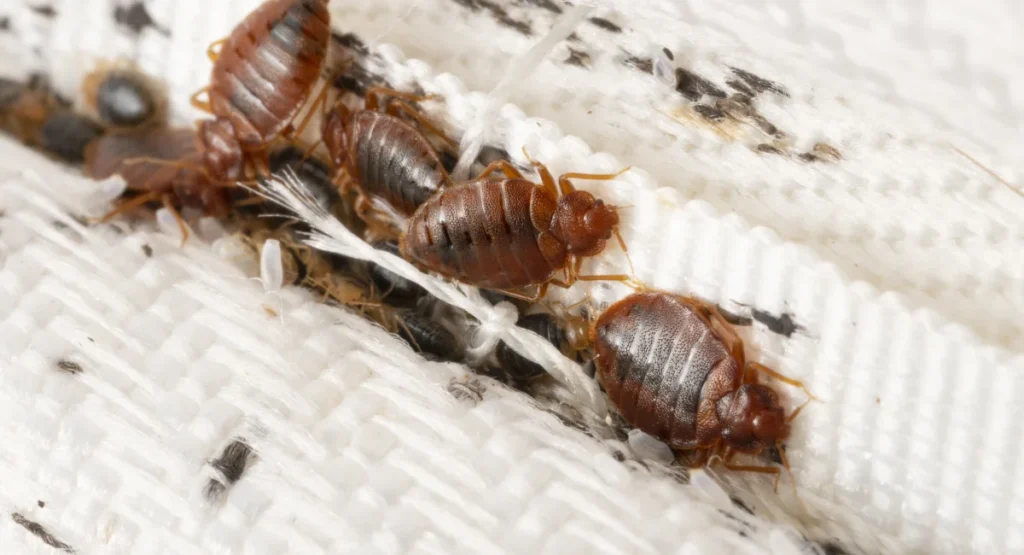
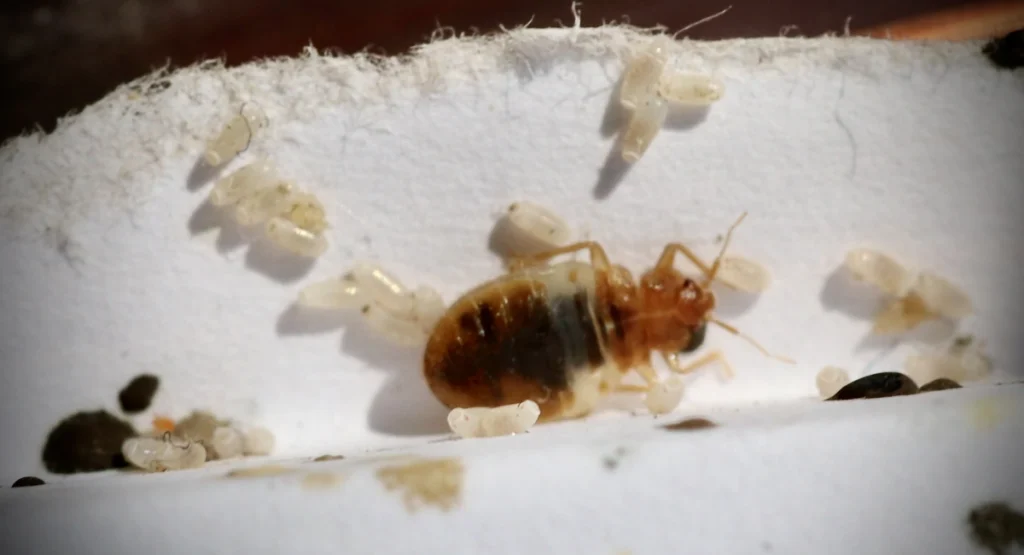
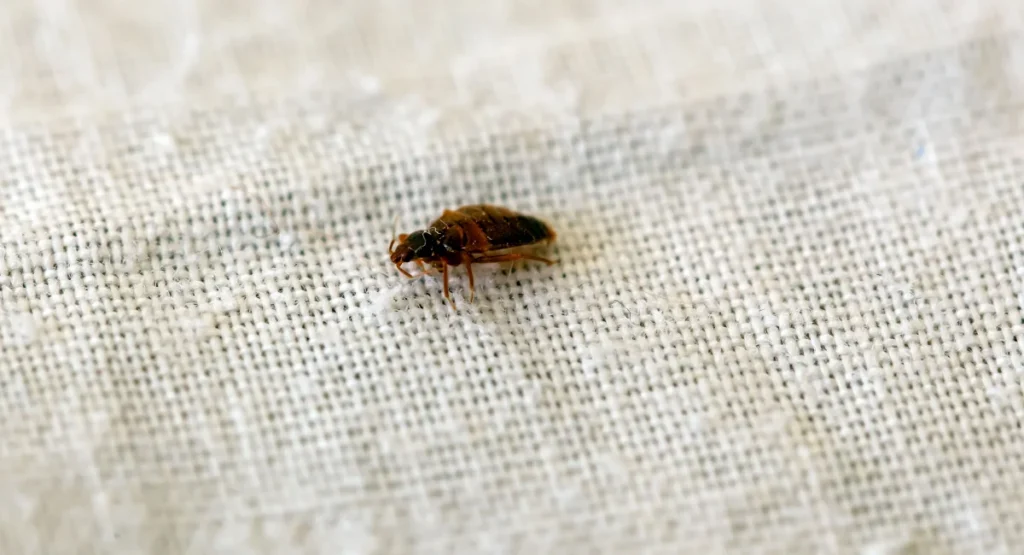
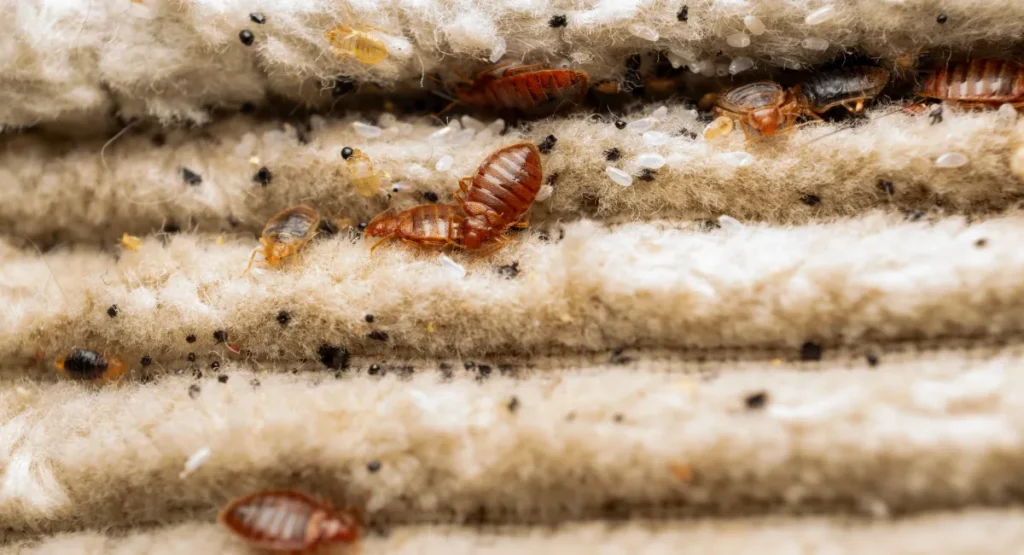
  • Bed Bugs: Florida’s warm, humid climate allows bed bug populations to remain active longer than in northern states. Hotels near airports or cruise ports, and theme parks such as Miami, Fort Lauderdale, and Orlando, are especially vulnerable due to high guest turnover. Bed bug prevention in hotels starts with regular inspections and immediate response to any signs of activity.
  • Cockroaches: Attracted to food, heat, and moisture, cockroaches are commonly found in hotel kitchens, trash rooms, and guest bathrooms. Their presence can escalate quickly without strict sanitation and ongoing treatment.
  • Rodents: Roof rats, also known as palm rats, are particularly common in Florida. They often enter buildings through utility lines or overgrown landscaping. Hotels with palm trees or aging roofs should inspect attic spaces and trim vegetation regularly.
  • Mosquitoes and Flies: Florida’s long mosquito season and frequent rainfall create ideal breeding grounds. Properties near marshes, ponds, or irrigation systems should manage standing water and consider targeted mosquito control to protect outdoor spaces.
  • Termites: Subterranean and Formosan termites are a year-round concern in Florida, especially in wood-framed buildings near wooded areas. Hotels should inspect crawlspaces, basements, and garden-level rooms during spring swarm season to prevent structural damage.

These challenges highlight the importance of a hotel-specific prevention plan. Hospitality pest management in Florida requires a proactive approach tailored to the state’s year-round pest pressures and tourism-driven environments. Whether you manage a high-rise in downtown Miami or a beach resort in the Panhandle, your property is always on the radar for pests if preventive steps aren’t in place.

How to Train Your Staff to Be a Pest Prevention Team

Your team plays a crucial role in spotting pest issues before they become complaints. With the right training, staff can identify early warning signs and help stop problems before they spread. Effective staff training for pest detection should include pest identification basics, reporting protocols, and seasonal patterns specific to Florida. 

Housekeeping: On the Front Lines

Housekeeping staff are in rooms every day and can catch the early signs of bed bugs and other pests. They should be trained to look for blood spots on linens, insect shells, or odd stains near headboards and furniture. Encourage them to report anything unusual without hesitation. For example, reinforce that bed bug prevention in hotels depends on swift communication between housekeepers and management when the first sign appears.

Maintenance and Engineering: Closing the Gaps

Maintenance teams should regularly check for cracks, leaks, and small openings that give pests easy access. Gaps around pipes, utility boxes, and vents are common entry points for rodents and insects. Regular sealing, caulking, and repairs can make a big difference.

Front Desk and Guest-Facing Staff: Handling Complaints

Staff who interact directly with guests should know how to respond professionally to pest complaints. Train them to document concerns, alert management, and avoid making assumptions or promises without follow-up from pest control. Clear communication helps protect your reputation and shows guests that their concerns are taken seriously. Include scenario-based role-playing exercises as part of your staff training for pest detection, so front desk teams can practice handling upset guests calmly and efficiently.

Build a Culture of Pest Awareness

Pest control shouldn’t fall only to your maintenance or housekeeping departments. Build a culture where all team members feel responsible for keeping the property pest-free. Share quick tips in morning meetings, provide refresher training each season, and make sure pest concerns are logged and addressed promptly.

Partner With Florida Pest Control To Protect Your Hotel

Florida Pest Control understands the unique challenges hotels and lodging facilities face in Florida’s climate and tourism-driven market. Our hospitality pest control services are built to meet the highest standards for guest care and regulatory compliance. Each service is designed to protect your property, your guests, and your reputation. Whether you manage ten rooms or two hundred, we will walk your site, identify risks, and create a custom prevention plan that keeps your operations running smoothly. 

Contact Florida Pest Control today to schedule your inspection or staff training session.

New Homeowner Termite Information: Protect Your Purchase From Hidden Damage

Termite damage on kitchen cabinet doors.

Buying a home is a major milestone, but if termites have been there first, it can quickly become a source of stress. The silver lining? A history of termite activity doesn’t have to derail your plans. With the right insight and professional support, you can move forward with confidence and protect your new investment.

Termites are nicknamed “silent destroyers” for a reason. They quietly tunnel through wood, flooring, and support beams, often for years, without obvious signs. Because it takes time for colonies to grow large enough to notice, even vigilant homeowners may not realize what’s happening until the damage is done. That’s why a termite inspection should be a must-have item on your home-buying checklist. A trained professional can spot current infestations, past treatment signs, and hidden damage that’s been repaired.

Here’s what you need to know if you’re considering a home with termite history, and how to proceed with peace of mind.

What to Know Before Buying a Home With Termite Damage

It’s completely reasonable to worry about hidden damage or the risk of termites coming back. If the inspection reveals an active infestation, treatment should happen immediately. But if the damage is historical and has been properly treated, your focus should be prevention and long-term monitoring.

Ask for a wood-destroying insect (WDI) report as part of the home inspections. This report highlights any previous or ongoing termite activity, helping you make a well-informed decision.

Also, be aware that termite history may influence your homeowner’s insurance. Some insurance companies will want documentation, like the WDI report, to confirm the property is free of current activity.

How to Tell If It’s a Termite

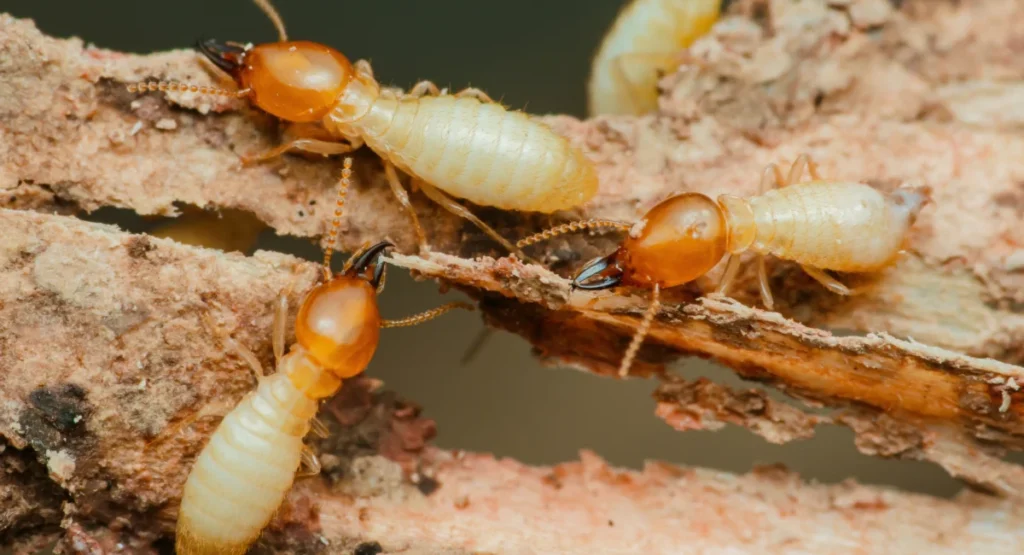
Termites are often mistaken for carpenter ants, but there are a few distinct traits that set them apart. Termites have straight antennae, a thicker midsection, and wings that are all the same length. Their color can vary from pale cream to light brown.

In Florida, the most commonly encountered species is the Eastern subterranean termite. These pests have dark brown to black bodies and pale, translucent wings. At a glance, they may resemble other flying insects, which is why professional identification is so important.

Is It a Good Idea to Buy a Home With Termite Damage?

That depends on the extent of the damage. If structural integrity has been seriously compromised, the financial and physical risks may outweigh the benefits. Before making a decision, hire a licensed termite specialist to assess the situation, and consider bringing in a structural engineer to evaluate the condition of the home’s foundation and framing.

In many cases, termite spottings can become part of your negotiation strategy. Whether it’s requesting the seller make repairs or adjusting the purchase price to reflect restoration costs, you may have more flexibility than you think.

How to Recognize Termite Damage Before It Gets Worse

Termites don’t always leave obvious evidence behind, but the damage they cause can be extensive. These persistent pests feed on wood, drywall, and even wallpaper, gradually compromising your home’s structural integrity without making much noise. Watch for these warning signs that termites may already be active:

  • Hollow-sounding wood
  • Buckling or warped floors
  • Peeling paint that looks like water damage
  • Tiny holes in drywall
  • Mud tubes on exterior walls

Are Termite Treatments a Good Fit for Your Home?

Absolutely, especially when they’re applied by licensed professionals like the team at Florida Pest Control. We understand that many homeowners are mindful of health and environmental impact, which is why we use eco-friendly products certified by GreenPro.

Our technicians are trained to apply these treatments with precision, ensuring they target termite activity directly while minimizing potential effects on people, pets, and the surrounding environment.

Why Professional Termite Prevention Makes All the Difference

DIY termite prevention can help, but it often falls short of what’s needed to fully protect your home. Steps like reducing moisture and avoiding direct wood-to-soil contact are useful first steps, but they don’t replace the effectiveness of professional support.

When you partner with Florida Pest Control, you gain access to a complete termite prevention strategy that may include:

  • Inspections to identify vulnerabilities.
  • Installation of termite barriers and monitoring systems.
  • Eco-friendly treatments to create a protective shield around your home.

Protect Your New Investment With Proactive Termite Control

The earlier you identify and address termite issues, the easier they are to manage. Without prompt attention, a small problem can escalate into costly repairs. That’s why early intervention and expert treatment are so important for new and future homeowners.

At Florida Pest Control, our termite solutions are built to provide lasting protection and long-term peace of mind. We start with a detailed inspection to uncover any signs of termites, then apply targeted, eco-friendly treatments tailored to your home’s specific needs. Ideally, we’ll put your protection plan in place before move-in day, so you can settle in without worry.

Want to learn more or schedule your inspection? Call our team or fill out our online contact form today.

Florida Lawn Maintenance Checklist: Tips for Preventing Lawn Pests in the Spring

Florida lawn with a home visible in the background

As a homeowner, having a lush and verdant lawn is a point of pride. But it can be a challenge here in Florida, where the warm, humid climate creates optimal conditions for many pests that can damage your lawn.

Pests are practically everywhere in Florida, and there are two keys to ensuring your lawn is protected. First, you need to know how to prevent lawn pests. Secondly, you need a happy and healthy lawn that’s able to withstand them. That’s why we’ve put together this comprehensive checklist – our most helpful tips for preventing lawn pests in the spring. By following these steps, you can minimize the risk of infestation from these common Florida lawn pests:

Early Spring Lawn Prevention

When we say “early spring” in Florida, that’s usually sometime in late February or early March. It can vary, but think of it as the time when warming trends begin.

  • Clean Up Yard Debris: Leaves, branches, and other yard debris provide moisture and nesting places for pests (and encourage the growth of fungal diseases). By letting it linger, you could be allowing a lawn pest issue to take hold. Rake everything up into bags or have it hauled away.
  • Dethatching (If Necessary): Thatch is a layer of dead grass and decaying plant matter that builds up where the soil meets the grass blade. A little bit of thatch is normal, but more than half an inch will serve as an invitation to lawn pests. To do this yourself, you’ll need a special thatching rake or automatic dethatcher. We also provide dethatching as part of our expert lawn service.
  • Soil Test: Poor soil pH and nutrient levels can weaken grass and leave it more susceptible to damage from diseases and lawn pests. You can get a soil probe or soil testing kit online or at your local garden store. Follow the instructions on the box to determine the pH level. Matching your soil pH level to the ideal level for your grass type will lead to a healthier, more pest-resistant lawn.
  • Aeration (If needed): Over time, your soil may become compacted, which can impact your grass roots’ ability to take in water and nutrients. By aerating it, you improve air and water circulation, leading to healthier roots that are more resistant to pests. Aeration is pretty much poking holes in your soil to increase circulation. It’s simple, but can be hard work – and you need to have the right equipment. We also offer professional aeration services as part of our lawn care.
  • Inspect for early signs of pest activity: You may start seeing warning signs of emerging lawn pests in early spring. Look for small mounds and raised tunnels, which can indicate the presence of pests like grubs and mole crickets.

Mid-Spring Lawn Pest Prevention

Lawn pests in Florida can be relentless. Make sure you follow our early spring tips and be sure to follow up with these late-spring lawn pest prevention strategies four to eight weeks later:

  • Pre-Emergent Weed Control: Apply a pre-emergent herbicide to prevent weeds like crabgrass. Weeds can weaken your lawn and attract pests.
  • Mowing: Start mowing your lawn, but don’t cut it too short. A higher cut encourages deeper roots and shades out weeds. Follow the “one-third rule” and never cut off more than one-third of the grass blade at any one time. For St. Augustine grass, which is common in Florida lawns, pay close attention to mowing height, as stress can make them more vulnerable to chinch bugs.
  • Fertilization: Apply a balanced fertilizer based on your soil test results. A healthy lawn is better able to resist pests. Avoid over-fertilizing, which can encourage pest populations.
  • Grub Prevention: If you’ve had grub problems in the past, consider applying a preventative grub control product. Grubs feed on the roots of your lawn, causing dead patches.
  • Chinch Bug Watch: Especially important for St. Augustine species of grass. Look for yellowing/browning patches, particularly in sunny areas.
  • Sod Webworm/Armyworm Check: Look for chewed grass blades, and small brown patches.
  • Fire Ant Control: Address fire ant mounds as they appear, to prevent lawn damage and stinging hazards.
  • Inspect for Pests: Keep an eye out for signs of pests, such as: Brown patches, Holes in the lawn, Increased bird activity (they may be eating grubs), Visible insects, Spongy feeling turf.
  • Watering: Water deeply and infrequently. This encourages deep root growth and makes your lawn less susceptible to pests and drought. Avoid overwatering, which creates ideal conditions for many pests and fungal diseases.
  • Try Irrigation Services: Water your lawn perfectly every time with a professionally installed irrigation system. Our experienced technicians have the expertise to handle even the most complex systems, considering local climate, precipitation, and ground composition, as well as coordinating with your property’s plumbing and electrical system.

Should You Use DIY Pesticide or Insecticide for Lawn Pests?

We don’t recommend it as they can be highly damaging to the lawn or other surrounding plant life if used incorrectly. If it gets to the point where you’re considering using these kinds of DIY treatments on your grass, we recommend calling one of our professional lawn pest control technicians instead.

We can help make sure your treatments are applied where they’ll have the most impact and the least potential to harm people, pets, or other plants.

Tips for Natural Pest Control:

  • Maintain a healthy lawn: A thick, healthy lawn is your best defense against pests.
  • Encourage beneficial insectsLadybugs, lacewings, and other beneficial insects eat many common lawn pests.

Save Time With The Lawn Pest Experts

If you suspect a lawn pest infestation or just want to enjoy a healthy and beautiful lawn, don’t hesitate to reach out to our experienced lawn care pest control professionals.

Contact us today for a comprehensive lawn inspection and personalized treatment plan. Let us help you protect your investment and create a pest-free outdoor oasis.

Sustainable Pest Control: Green Pest Strategies for Businesses

Overhead view of workers in a warehouse

Earth Day encourages everyone to reflect on how their actions influence nature, including businesses. For companies looking to operate with greater environmental responsibility, Integrated Pest Management (IPM) offers a proactive, sustainable way to keep pests in check.

But this isn’t only about the environment. IPM also strengthens your public reputation, improves workplace conditions, and cuts long-term costs. Here’s how IPM supports your company while caring for the world we share.

At Florida Pest Control, we utilize science-driven IPM strategies that emphasize prevention and lasting results, not quick fixes or excessive chemicals.

Integrated Pest Management Tackles Pest Challenges Thoughtfully

IPM approaches pest issues with long-range planning, focusing on minimal environmental disturbance and strategic interventions. The approach prioritizes:

  • Prevention First: Catching risks before they evolve into infestations protects your space and reduces treatment needs.
  • Smart Scouting and Identification: Frequent assessments and correct species ID allow for effective, targeted action.
  • Minimal Chemical Use: Pesticides are applied only when necessary, based on customized population thresholds.
  • Blended Control Tactics: IPM uses many tools, such as physical barriers, biological agents, and environmental shifts, for balanced solutions.

IPM Helps the Environment Thrive

  • Cleaner Resources: Less pesticide runoff means better water and soil health.
  • Protects Natural Pest Controllers: Beneficial insects like pollinators are protected, supporting biodiversity.
  • Safer for People: With fewer chemicals in use, IPM reduces harmful exposure for employees and visitors.
  • Improves Resource Management: By minimizing pest-related loss, businesses waste less and operate more efficiently.

IPM Helps Businesses Thrive

Environmentally responsible strategies also bring measurable benefits to your bottom line.

  • Stronger Customer Relationships: Today’s consumers prefer companies that act sustainably.
  • Regulatory Compliance: IPM keeps your pest program aligned with tightening environmental standards.
  • Better Work Conditions: Staff appreciate a cleaner environment, without exposure to chemicals.
  • Reduced Costs: Preventing infestations costs less than handling major outbreaks.
  • Continuity of Operations: IPM reduces interruptions, protecting inventory and product quality.

Industry-Specific IPM Solutions

Pest pressures vary from one industry to the next. Florida Pest Control creates targeted pest control programs based on your unique business needs, helping you stay pest-free while supporting sustainability and long-term success.

Schools and Daycares

Pest control in education requires an immense amount of precaution. IPM uses discreet detection, low-toxicity options, and ongoing inspections to maintain pest control in learning environments without much intrusion.

Food Processing Plants

In these facilities, IPM includes tight sanitation routines, automated monitoring, and natural control methods to maintain safety and efficiency.

Warehouses and Industrial Facilities

IPM in warehouses focuses on structural integrity and pest-proofing, using sealing and traps instead of chemical sprays.

Restaurants

Restaurants benefit from routine checks, plant-based controls, and hidden detection tools that keep pests out and make customers happy.

Let Earth Day Inspire Better Pest Control

This Earth Day, consider a pest control method that works smarter, not harder. Integrated Pest Management helps your business meet sustainability goals without sacrificing performance.

Connect with Florida Pest Control to learn more, and schedule a complimentary IPM consultation tailored to your industry.

Do Hornets Make Honey?

Hornets share some of the same visual characteristics as honeybees. Both are common in Florida, but unlike honeybees, hornets do not produce honey.

While honeybees are famous for creating and storing honey inside their hives, hornets have a very different way of living. They do not make honey because their bodies and behaviors are not designed for it. Instead, they are predators that feed on other insects to survive.

Why Don’t Hornets Make Honey?

Many people assume that all flying, stinging insects make honey, but this is not the case. Hornets do not produce honey for several key reasons.

Lack of Biological Capability

Honeybees have special glands that turn nectar into honey, which they store in their hives for food. Hornets lack these glands, so they cannot create or store honey. Instead, they rely on a diet mainly consisting of insects and sugary substances they find in nature.

Immediate Use of Nectar for Energy

Hornets eat sticky nectar from flowers, but they don’t store it as honey. They use the nectar immediately for quick energy.

Honeybees collect lots of nectar. They turn it into honey and store it for later. This helps them survive during colder months when flowers are scarce.

Differences Between Hornets and Bees

Hornets and bees belong to the same insect family but have very different behaviors. Honeybees are pollinators that play a crucial role in helping plants grow by spreading pollen from flower to flower. They produce honey as a long-term food supply for their colony. Hornets are more like natural pest controllers than honey producers.

One other key difference between honeybees and hornets is what happens when they sting. Honeybees have barbed stingers that get stuck in the skin of their target, causing the bee to lose its stinger and die shortly after. You can learn more about this in our article: Do Bees Die After They Sting?

Hornets, however, are aggressive predators that hunt other insects – including honeybees. A single hornet can kill dozens of bees in a short time, and a group of hornets can wipe out an entire honeybee hive in just a few hours. 

What Do Hornets Eat?

Since hornets do not make honey, you might wonder what they eat to survive. Their diet is quite different from that of honeybees.

Nectar as a Food Source

Hornets do consume nectar from flowers, but only as as food for energy. They drink sugary liquids when they need quick fuel, but they do not rely on nectar alone. Unlike bees, they do not collect pollen or play a major role in pollination.

Predatory Diet and Insect Hunting

Much like a wasp’s diet, hornets feel on other insects. They often target honeybees, bumblebees, caterpillars, flies, and even small spiders. By preying on these creatures, hornets help control insect populations, but they can also be a threat to honeybee colonies.

Hornets use their strong jaws to catch and kill their prey. They chew their victims into a pulp, which they then use to feed their young. This aggressive hunting behavior makes them an important part of the ecosystem, even if they are sometimes seen as pests.

Feeding Their Young

Adult hornets do not eat solid food, but they hunt insects to feed their larvae. They capture their prey, chew it up, and turn it into a paste that their young can consume. This high-protein diet helps hornet larvae grow quickly.

Hornets also feed their young sugary substances such as honeydew, which comes from aphids. This helps provide extra energy for their developing larvae.

How Hornets Differ from Honeybees

Hornets and honeybees may look somewhat similar, but their behaviors and colony structures are very different.

Nesting and Hive Behavior

Honeybees build hives out of wax, often inside tree hollows or man-made structures. These hives are carefully maintained and used to store honey. Hornets, however, build large, paper-like nests out of chewed wood fibers. A hornet’s nest is often found hanging from tree branches, roofs, or hidden in bushes.

Hornet nests can grow very large, sometimes housing hundreds of individuals. Unlike honeybee hives, which last for years, hornet nests are abandoned at the end of the season when the colony dies off.

Social Structure of Colonies

A honeybee colony can have thousands of workers that work together to collect nectar and make honey. They have a strict division of labor, with worker bees, drones, and a single queen bee.

Hornet colonies are much smaller and more focused on hunting rather than honey production. Each colony is led by a queen, who lays eggs and ensures the colony’s survival. The workers defend the nest and hunt for food. 

Unlike honeybees, which have many female workers, hornets have fewer members but are more aggressive.

Role in the Ecosystem

Honeybees are essential pollinators that help crops and plants grow by spreading pollen. They are responsible for pollinating many of the fruits, vegetables, and flowers we rely on. Without honeybees, food production would suffer.

Hornets, on the other hand, help control insect populations by preying on other bugs. They reduce the numbers of pests like flies and caterpillars, which can be beneficial for gardens and crops. While both play important roles in nature, hornets can sometimes be a threat to honeybee colonies.

Hornet or honeybee, if you’re dealing with a stinging insect problem near your home, Florida Pest Control can help. Our experts safely treat infestations to protect your family from bees, wasps and hornets. Contact us today for a free inspection.

Do Any Wasps Make Honey?

While hornets do not make honey, some wasp species actually do.

Examples of Wasps That Produce Honey

One rare species, the Mexican honey wasp, does produce honey. Unlike hornets, these wasps collect nectar, process it, and store it in their nests. Their honey is edible and similar to the honey made by bees, though it is not produced in large quantities.

How Honey-Producing Wasps Differ from Hornets

Unlike hornets, honey-producing wasps have a more bee-like diet and behavior. They are less aggressive and focus more on gathering nectar rather than hunting other insects. 

While they share some similarities with bees, they are still wasps and do not produce the same volume of honey as honeybees.

The Danger of Hornets Near Your Home

Hornets can be aggressive, especially when they feel their nest is threatened. Their stings are painful and can cause severe allergic reactions in some people. Unlike honeybees, which can only sting once, hornets can sting multiple times. 

If you spot a hornet nest near your Florida home, do not attempt to remove it on your own. Disturbing a hornet nest can provoke an attack, putting you and your family at risk. Instead, trust our expert team to handle the infestation safely and effectively. Contact us today for professional hornet nest removal.

How to Prevent Hornets from Nesting on Your Property

To keep hornets away from your home, follow these tips:

  • Seal any gaps or holes in walls and roofs where hornets might build a nest.
  • Keep outdoor trash bins tightly closed to avoid attracting insects that hornets prey on.
  • Remove fallen fruit from your yard, as it can attract hornets looking for sugary food sources.
  • Avoid leaving sugary drinks or food uncovered when spending time outdoors.
  • Trim bushes and trees near your home to reduce nesting spots.
  • Turn off porch lights in the evenings to avoid attracting them to your home.

If you notice hornet activity around your home, it’s important to take action quickly before they build a nest.

Need Help with Bees, Wasps, or Hornets?

If you have a hornet, wasp, or bee problem near your home, it’s best to call a professional. Hornet and wasp nests can be dangerous, and their stings can be painful. 

Whether it’s yellowjackets, bumblebees, or bald-faced hornets, Florida Pest Control’s licensed experts remove wasp nests, bee hives, and hornet colonies safely.

Do Bees Die After They Sting and Why Does It Happen?

Bee pollinating a cempasuchil flower

Bees are vital to pollinate flowers and play a key role in maintaining a healthy environment, making them one of Florida’s most common stinging insects. Despite their importance, many people wonder whether bees die after stinging and why this happens. 

Do All Bees Die After They Sting?

No, not all bees die after they sting. Whether a bee dies after stinging depends on the species. While honeybees often die after stinging mammals like humans, other species can survive multiple stings.

Honeybees

Honeybees are the most well-known bees that die after stinging. When a honeybee stings, its barbed stinger becomes lodged in the target’s skin. Honeybees can only sting once before dying.

Other Bee Species

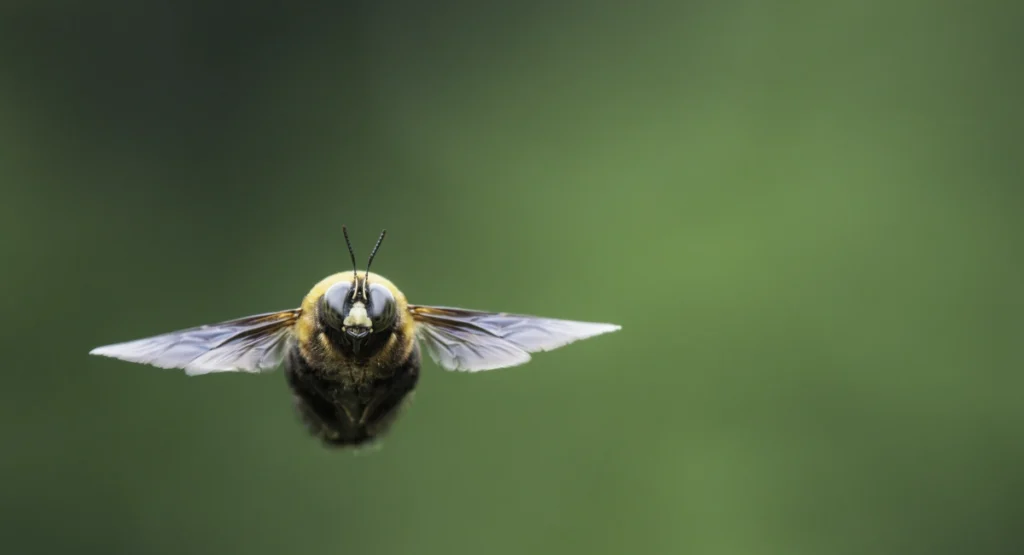
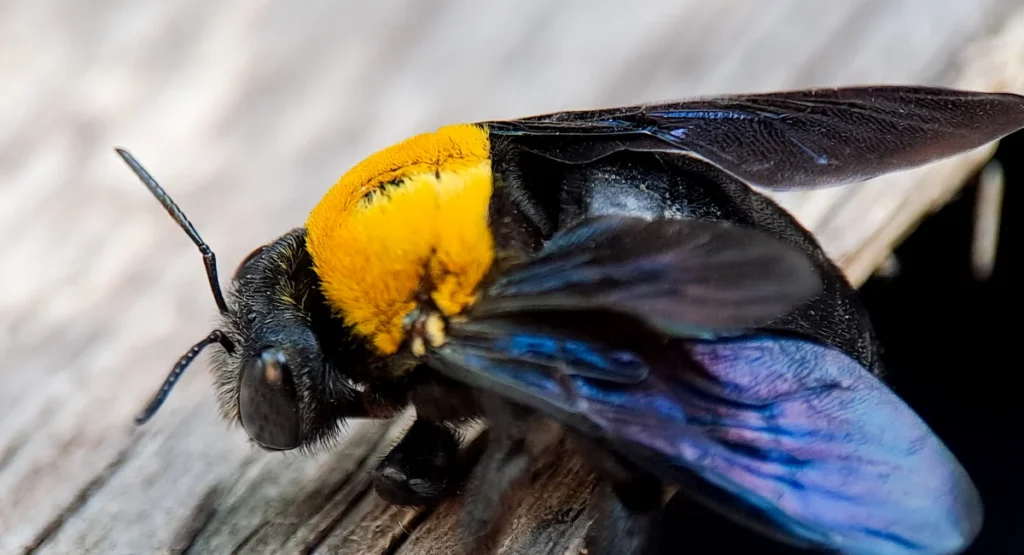
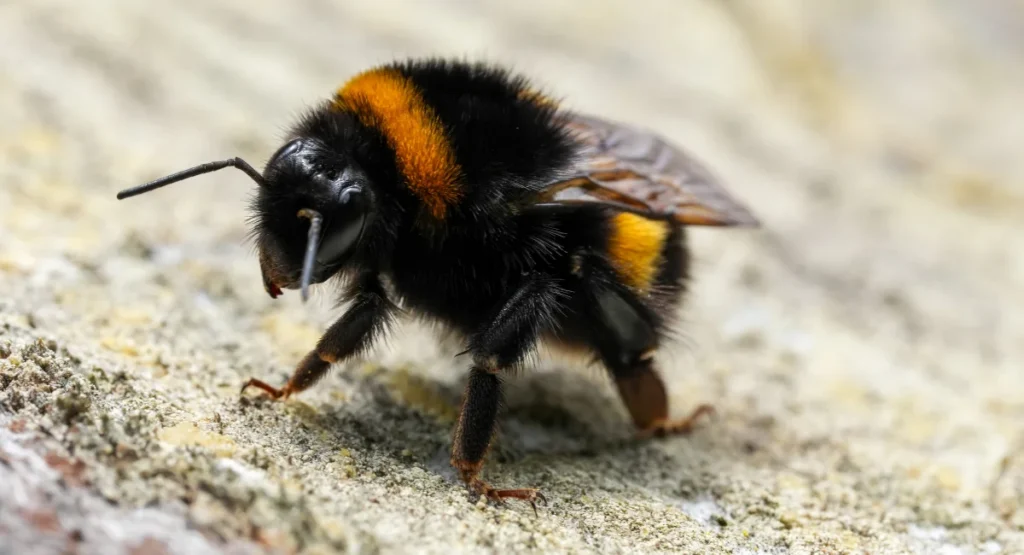
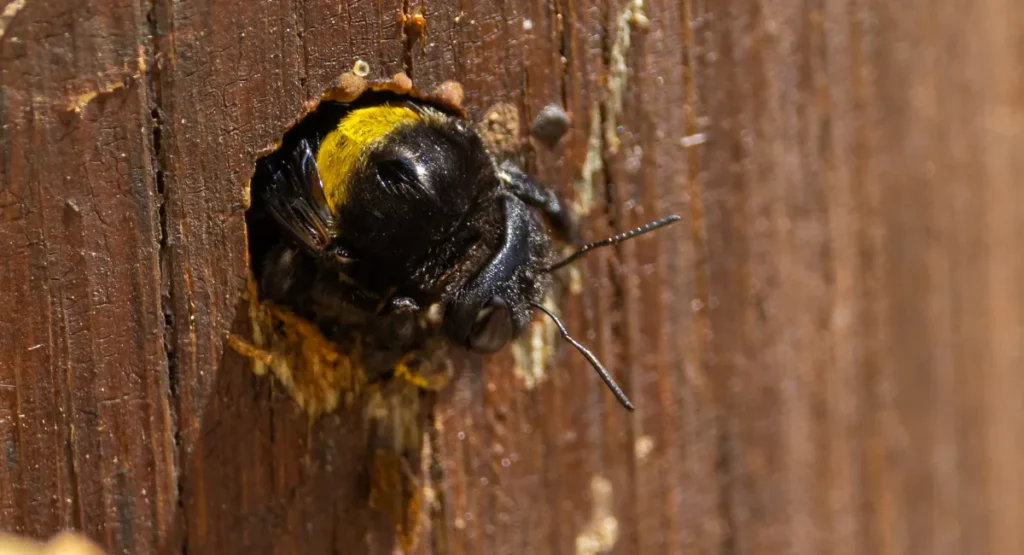
Many other bee species, like bumblebees and carpenter bees, have smooth stingers that allow them to sting multiple times without dying. 

These bees do not lose their stinger after the attack, meaning they can continue to defend themselves as needed. These bees use their stings primarily for self-defense.

Why Do Honeybees Die After Stinging?

Honeybees have a unique stinging mechanism that causes them to die after using it. Let’s take a closer look at the biology behind this event.

Barbed Stinger

Honeybees’ stingers are equipped with tiny barbs, which makes them very effective in delivering venom. When a honeybee stings a target, the barbed stinger becomes stuck in the skin. 

The more the bee tries to pull away, the deeper the barb becomes embedded in the skin, eventually tearing out the stinger, the venom sac, and part of the abdomen. This traumatic injury leads to the death of the bee.

Evolutionary Adaptation

The reason why honeybees evolved to die after stinging is likely tied to their social behavior. Honeybees are worker bees, meaning they do not survive long-term without the hive. Their purpose is to protect the hive and queen, even at the cost of their own life. 

This self-sacrificial defense mechanism helps protect the hive from predators, ensuring the colony’s survival as a whole.

Do Bees Sting Other Insects Without Dying?

Yes, many bees are capable of stinging other insects without dying. In fact, bees sting other insects as a form of defense or when protecting their hive. 

However, the death of the bee after stinging is generally associated with their interactions with larger animals, including mammals and humans. Bees are more likely to survive stinging smaller insects like ants or wasps.

What Happens When a Bee Stings You?

When a bee stings you, it goes through a series of processes to defend itself or its hive. Let’s break down what happens during a bee sting.

Release of Venom

When a bee stings, it injects venom into the target’s skin. The venom contains various toxins that cause pain, redness, and swelling at the affected area. In some cases, people may experience an allergic reaction to the venom.

Alarm Pheromones

When a bee stings, it also releases alarm pheromones, which alert other bees nearby. This chemical signal can trigger a swarm of bees to attack, increasing the likelihood of multiple stings in defense of the hive.

The Bee’s Sacrifice

For honeybees, stinging is a form of self-sacrifice. After stinging, the bee’s abdomen is severely damaged, and it will die soon after. This act of defense is crucial for the protection of the colony, but it ultimately results in the bee’s death.

Disturbing a bee nest or hive can cause the bees to sting more because they feel threatened and will protect their home. 

If you find a bee colony or nest, it’s best to leave it alone and call the experts. At Florida Pest, we are trained to safely remove bee nests and stop more stings from happening. Contact us today.

Do Bees Sting Without a Reason?

detail of bee or honeybee in Latin Apis Mellifera, european or western honey bee isolated on the white background

While bees don’t typically sting without a reason, they can become agitated or defensive. Wasps are typically known for being the more “aggressive” stinging insects – you can learn more about keeping wasps away in our article: How To Prevent Wasp Nests – but bees are dangerous in their own right.

Understanding the reasons behind bee stings can help reduce the risk of getting stung.

Defensive Behavior

Bees are most likely to sting when they feel threatened or when their hive is in danger. Worker bees, in particular, will fiercely defend their colony from any intruders. If they sense their hive or queen is at risk, they will become aggressive and sting to protect it. 

This is why it’s crucial not to try removing a bee nest on your own. Attempting to do so can lead to multiple stings and escalate the situation. Our licensed technicians are here to help.

Avoiding Aggression

To avoid being stung, it’s important to stay calm and avoid sudden movements near bees. While bees are generally non-aggressive and focused on pollinating, sudden gestures can provoke them. If you find yourself near a bee, avoid swatting at it, as this can trigger defensive behavior.

A great way to lower the risk of bee stings is by using deterrent plants. Learn more about these plants and how they work.

How Can You Treat a Bee Sting?

If you are stung by a bee, it’s important to act quickly to minimize pain and reduce the risk of an allergic reaction. According to the American Academy of Dermatology, here’s how to treat a bee sting:

1. Remove the Stinger

The first step in treating a bee sting is to remove the stinger as quickly as possible. Use a flat object, like a credit card, to scrape the stinger out of your skin. Avoid using tweezers, as they can squeeze more venom into the wound.

2. Clean the Area

After removing the stinger, wash the affected area with soap and water. This will help prevent infection and keep the area clean.

3. Reduce Swelling

Apply a cold compress to the area to reduce swelling. Antihistamines can also help with swelling and itching but always follow the medication’s instructions.

4. Ease Discomfort

Over-the-counter pain relief, like ibuprofen or acetaminophen, can help reduce pain from the sting. You may also apply hydrocortisone cream to soothe the skin and ease itching.

If you see any signs of an allergic reaction or if you or someone else, especially a child, has been stung multiple times, get medical help right away.

Why Understanding Bee Stings Matters

Understanding the mechanics of bee stings is important for several reasons. Whether you’re a beekeeper, a gardener, or someone who spends time outdoors, knowing how to react to a bee sting can make a big difference in your safety and comfort. 

Learning about bees and their behavior can help promote better coexistence with these important insects.

Common Questions About Bee Stings

bee : apis mellifera.
treatment by honey bee sting.

Why Do Bees Sting Humans?

Bees sting humans mainly in defense. If they feel threatened or if they are protecting their hive, they may sting in self-defense. Honeybees, in particular, will sting when they perceive a danger to their colony.

Can Bees Survive After Stinging?

As mentioned, honeybees typically do not survive after stinging due to their barbed stingers, which cause fatal injury. However, other bee species, such as carpenter bees and bumblebees, can sting multiple times without dying.

How Can I Avoid Being Stung?

To avoid being stung by bees, it’s important to stay calm around them. Don’t swat at bees, and avoid wearing bright colors or strong perfumes that may attract them. If you’re near a beehive or swarm, move slowly and carefully away from the area.

Need Help Managing Bees, Wasps or Hornets?

Bee stings are a natural part of a bee’s behavior, and understanding how and why bees sting can help us coexist with these important insects. Whether it’s protecting a hive or defending themselves, bees play a crucial role in our environment. Stay safe, and always be aware of the best practices for handling bee stings

If you have a bee, wasp, or hornet problem near your home or business, it’s best to seek help from our licensed exterminators at Florida Pest Control.