
Resident amenities such as pools, clubhouses, and common outdoor spaces attract tenants but can also become hotspots for pests. These areas provide essential resources like food, water, and shelter that pests need to survive. For property managers, keeping these spaces protected from pests is critical to tenant satisfaction, maintaining health standards, and preserving the value of your properties.
Why Pools and Clubhouses Are Hotspots for Pest Activity in Florida
Pools and water features create warm, humid conditions ideal for mosquitoes and other insects. Standing water in drains, fountains, or poorly maintained pools offers ideal breeding sites for mosquitoes, which often leads to tenant complaints and potential health issues.
Clubhouses typically include kitchens, trash bins, or break rooms, attracting rodents, ants, and cockroaches searching for food and shelter. Nearby landscaped gardens, outdoor seating, and storage sheds may also serve as nesting locations for wasps, spiders, and rodents.
Key Pests Common Near Pools, Clubhouses, and Community Spaces
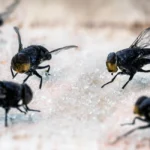
Mosquitoes frequently breed in stagnant water near pools and fountains. Rodents such as rats and mice seek shelter and food inside clubhouses and storage areas. Ants and cockroaches are drawn to food debris and damp environments, especially in kitchens and trash zones. Wasps and bees may build nests in eaves, sheds, or landscaped areas, while spiders and other insects thrive in dense vegetation and quiet corners.
Overcoming Pest Challenges Property Managers Face in Shared Facilities
Managing pest risks in shared spaces like pools, clubhouses, and outdoor areas presents unique challenges for property managers. These areas experience high tenant traffic and varied use, which can increase opportunities for pests to thrive. Trash is often generated from multiple sources, making control difficult without coordinated efforts.
Additionally, coordinating maintenance across multiple units and tenant schedules can complicate pest prevention efforts. Tenants may have different levels of awareness or commitment to cleanliness, affecting how well shared areas are kept pest-free.
Weather events like storms can exacerbate these issues by causing water accumulation or structural damage, which create new pest entry points.
To address these challenges, property managers need clear communication strategies, tenant engagement programs, and reliable pest control partnerships that offer flexible scheduling and customized solutions tailored for shared amenities.
Practical Pest Control Strategies Around Pools and Common Areas
Property managers can take several practical steps to reduce pest risks around resident amenities:
- Conduct regular inspections of pools, drains, landscaping, and clubhouse interiors to detect pest activity early.
- Ensure trash bins are covered and emptied frequently to minimize food attractants.
- Maintain pools, fountains, and drainage systems to prevent standing water that breeds mosquitoes.
- Seal cracks, vents, and gaps in buildings to block pest entry points.
- Educate tenants on keeping amenity areas clean, disposing of trash properly, and reporting pest sightings promptly.
- Partner with professional pest control services for routine treatments and fast response to any pest issues.
Regular maintenance combined with tenant cooperation can significantly reduce pest-related issues and improve the overall living environment.
Protect Communal Spaces with Florida Pest
Partnering with Florida Pest provides access to specialists familiar with the unique pest challenges presented by resident amenities. We offer customized treatment plans tailored to your property’s specific requirements, along with year-round maintenance programs. Contact Florida Pest to learn how we can support your property, freeing you to focus on your broader property management duties.