
What Homeowners Should Know in 2026
In Florida, spring is defined not by a dramatic thaw but by a progressive increase in heat and humidity. This is when flea and tick activity builds up. Warmer winters, shifting wildlife patterns, and expanding populations are changing when and where infestations occur, particularly in residential environments.
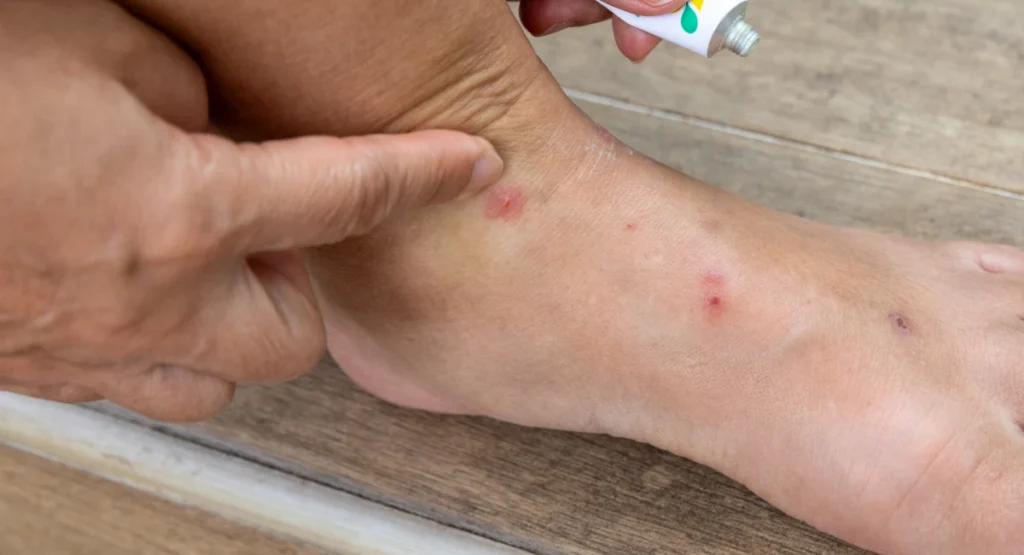
By the time a pet is scratching, or an unexplained bite appears on an ankle, the conditions that allowed an infestation to take hold have often been in place for weeks. In 2026, understanding that timeline and what is changing within it matters more than it has in previous years, because the gap between first exposure and established infestation is narrowing in ways that even the most attentive homeowners can be caught off guard.
There Is No True Off-Season in Florida
In many parts of the U.S., flea and tick activity declines significantly during colder months. Florida’s climate does not provide that same reset. Fleas remain active year-round, and certain tick species continue seeking hosts even during milder winter periods.
What’s different heading into 2026 is the consistency of that pressure. Shorter, warmer winters and extended humid conditions are allowing populations to build earlier in the year and remain longer into late summer and fall.
For homeowners, this creates two challenges:
- Infestations may begin earlier than expected, often before routine prevention measures are in place
- Ongoing low-level activity can go unnoticed until it reaches a tipping point indoors
This shift is particularly relevant for homes with pets, shaded yards, or proximity to wooded or undeveloped areas.

Expanding Tick Populations and Emerging Health Risks
Tick exposure is increasing in parts of Florida where it has historically been less common. The lone star tick, in particular, is expanding its range and becoming more prevalent in residential areas, though it’s not the only species homeowners should be aware of.
The health risks associated with Florida’s tick species are distinct and worth understanding:
- Lone star tick — linked to Alpha-gal syndrome, a condition that can trigger an allergic reaction to red meat following a bite. Awareness of this condition is growing as populations expand into new residential areas.
- Blacklegged (deer) tick — the primary carrier of Lyme disease, a bacterial infection that can cause lasting joint, neurological, and cardiovascular complications. While transmission risk in Florida is generally considered lower than in northeastern states, the species’ presence across parts of the state means exposure cannot be dismissed.
Other tick species continue to present risks as well, particularly in areas north of the I-4 corridor where tick density is typically higher. For homeowners in these regions, increased outdoor activity, pets moving between indoor and outdoor environments, and nearby wildlife all contribute to higher exposure potential.
Understanding which species are active locally is an important first step to assessing risk and determining the most appropriate response. Florida Pest Control’s overview of common fleas, ticks, and mites in Florida provides a useful reference for homeowners who want to understand what they may be dealing with before the problem escalates.
Why Indoor Infestations Escalate Faster Than Expected
One of the most significant challenges with fleas and ticks is how quickly they can establish themselves inside the home.
Fleas, for example, can lay dozens of eggs per day. Those eggs fall into carpets, upholstery, and cracks in flooring, and other areas where they are difficult to detect at first. By the time bites are noticed, the infestation is often well established.
Ticks present a different but equally complex issue. The brown dog tick, a common species in Florida, can complete its entire life cycle indoors. This means infestations can persist and spread without any ongoing outdoor exposure.
The result is a pattern Florida homeowners frequently experience:
- A single flea or tick is introduced via pets, clothing, or wildlife contact
- Activity appears minimal or isolated
- Within weeks, the issue expands across multiple rooms or surfaces
At that stage, the solution typically requires a more comprehensive approach than surface-level treatment.
The Role of Wildlife and Changing Landscapes
Another factor influencing flea and tick activity in 2026 is the continued shift in Florida’s wildlife and land use. As residential development expands into previously undeveloped areas, contact between homes and wildlife is increasing.
Recent research adds a further dimension to this picture. A 2025 University of Florida study found that lone star ticks survive more than 50% longer in areas dominated by cogongrass, an invasive plant spreading across the Southeast, due to the higher humidity and cooler microclimates it creates. As cogongrass continues to spread across Florida, it is creating conditions that favor lone star tick survival, widening the window for disease transmission in affected areas.
Deer, rodents, and other small mammals serve as hosts for ticks and can introduce them into yards and surrounding environments. Similarly, feral animals and outdoor pets can contribute to flea populations that later move indoors.
This dynamic is especially relevant in:
- Suburban developments near wooded or conservation areas
- Properties with dense vegetation or shaded landscaping
- Communities experiencing ongoing construction or land clearing
As these environments change, so does pest pressure, and often in ways not immediately visible to homeowners.
What This Means for Homeowners in 2026
The key takeaway is not simply that flea and tick activity is increasing, but that it is becoming less predictable and more closely tied to environmental conditions around the home.
Rather than viewing fleas and ticks as occasional or seasonal concerns, homeowners increasingly need to think in terms of ongoing risk management, particularly during spring and early summer, when populations begin to accelerate.
When activity is suspected, early intervention is critical. Professional support can help address both visible pests and the underlying lifecycle that allows infestations to persist. Florida Pest Control’s flea extermination services and tick control treatments are designed to target these issues at multiple stages, reducing the likelihood of recurrence.
A Strategic Approach to Seasonal Risk
Flea and tick season in Florida is no longer clearly defined. In 2026, it is better understood as a period of heightened activity within a year-round cycle—one that is starting earlier, building faster, and proving harder to predict and control.
For homeowners, this evolving behavior calls for a different kind of awareness. Recognizing early signs, understanding how the conditions around a property influence pest behavior, and acting before an infestation becomes entrenched are all more valuable than reactive treatment after the fact.
If you are seeing increased activity this spring, or want a clearer picture of your property’s exposure before the season peaks, Florida Pest Control can provide guidance tailored to your home and the specific risks in your area.